
You Don’t Have to Go Far to Get Away: Our SoCal Cruisers & Midlength Coaching Trip
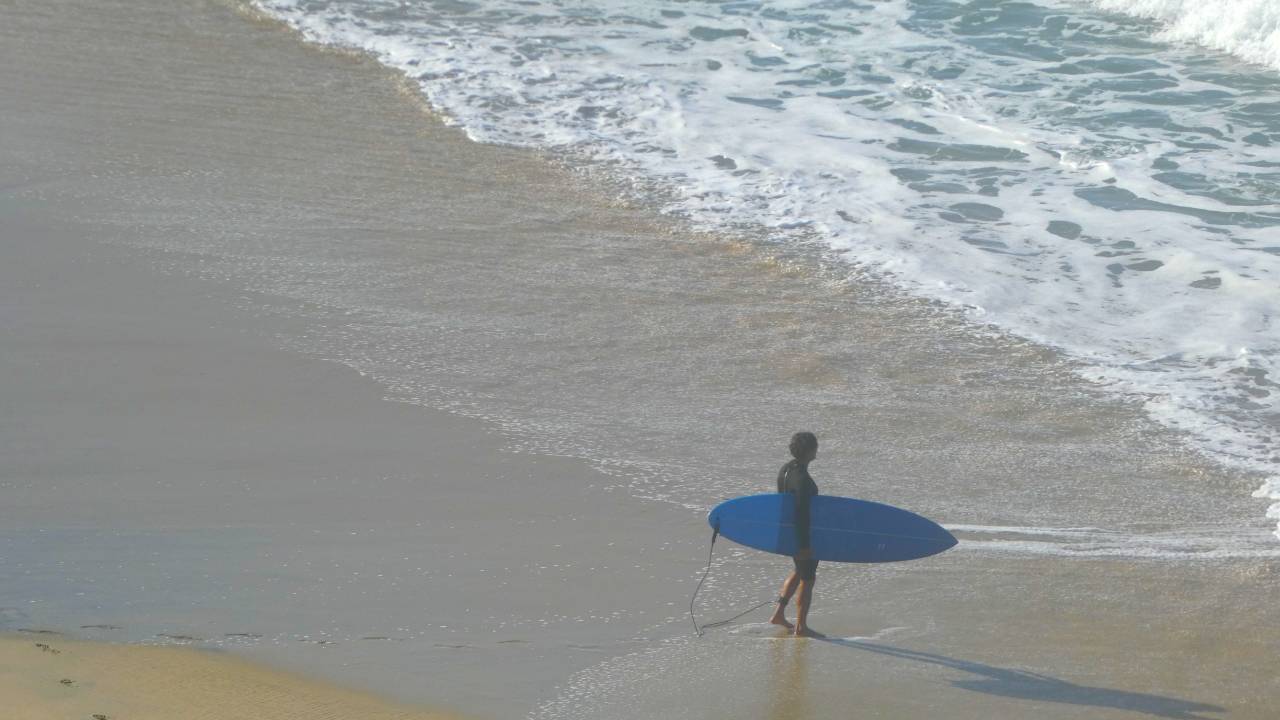
Surf trips make it easier to focus. You leave your normal routine behind, spend your days in the water, talk surfing over breakfast, and finish the afternoon with good conversations and a hot tub session to prepare for the next day.
This trip reminded us that you don’t have to travel halfway around the world to get that feeling.
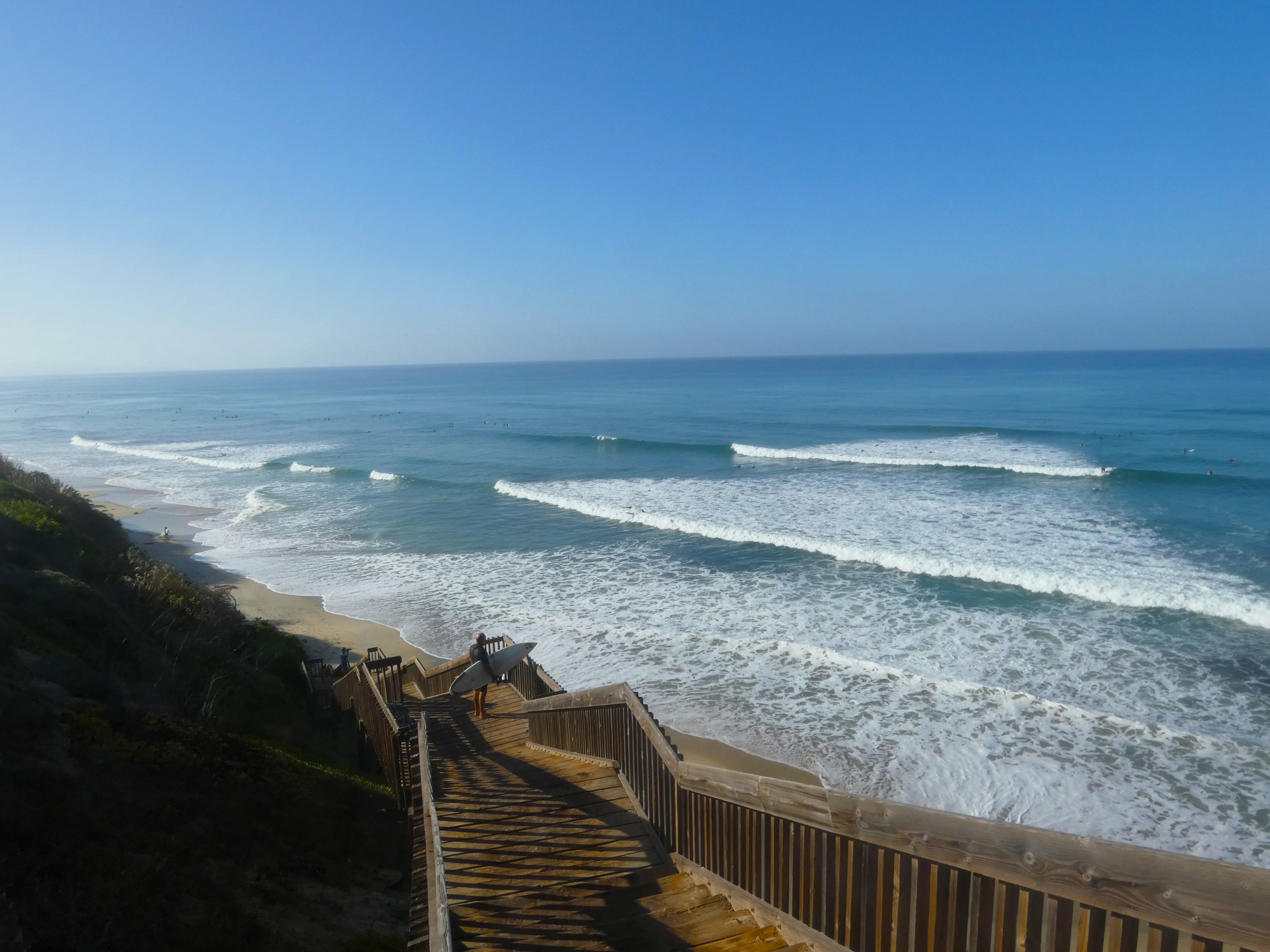
Our October 19–23, 2026, California Coaching Trip in SoCal brought together intermediate-level cruisers and midlength surfers from Northern California and Oregon for five days of surfing, coaching, and focused, deliberate practice. We were there to improve, build confidence, and spend time doing what we love with a little more intention than we might manage at home.
A bonus was surfing in trunks the whole week with consistent swell!
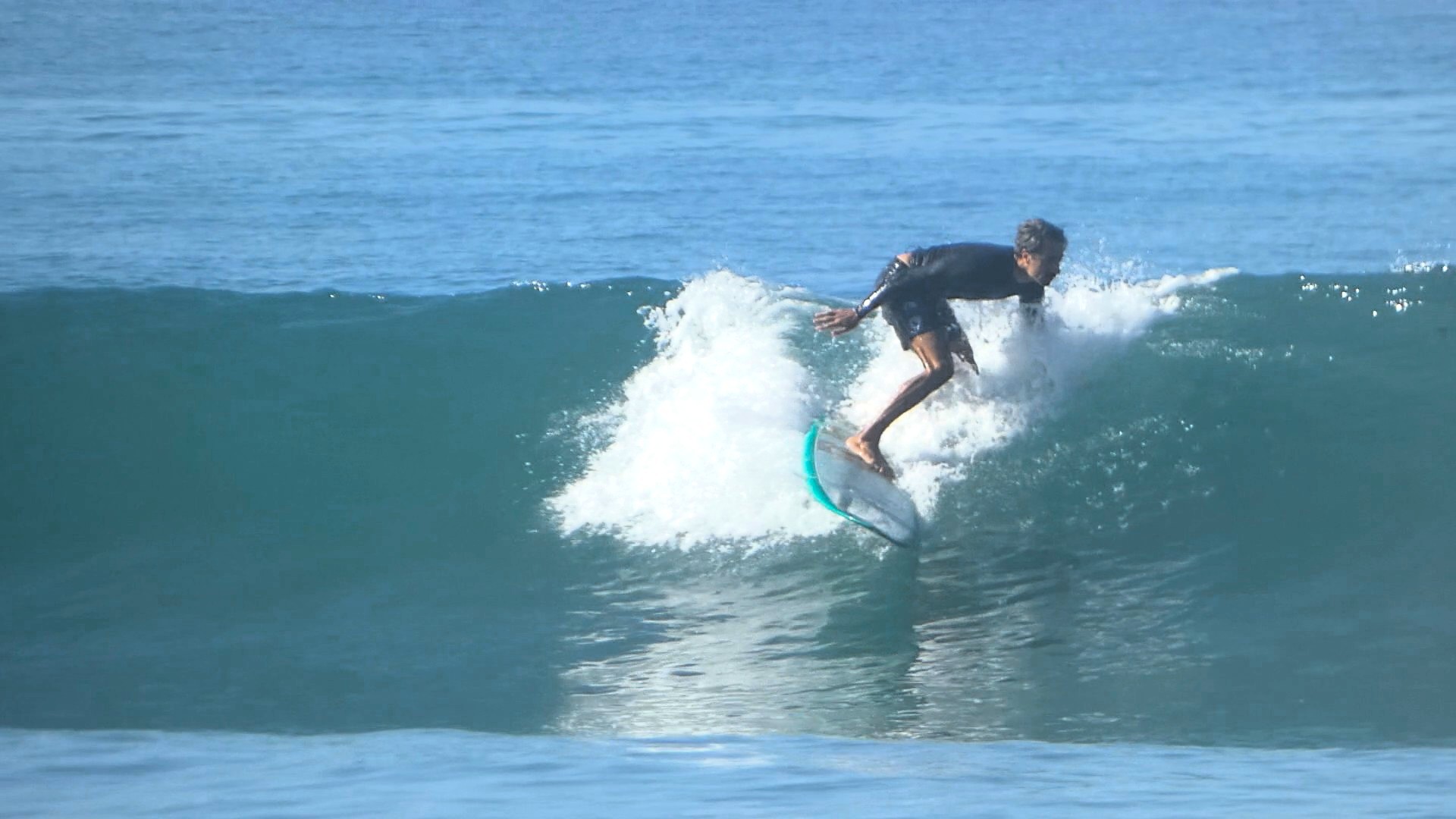
A Different Kind of Surf Zone
For those of us coming from Northern California and Oregon, Southern California offered a welcome change of scenery and a different surfing environment.
The water was unusually warm and wetsuits were largely unnecessary. After months of cold-water surfing, peeling off the rubber and paddling out in trunks felt like we'd stumbled into someone else's surf trip.
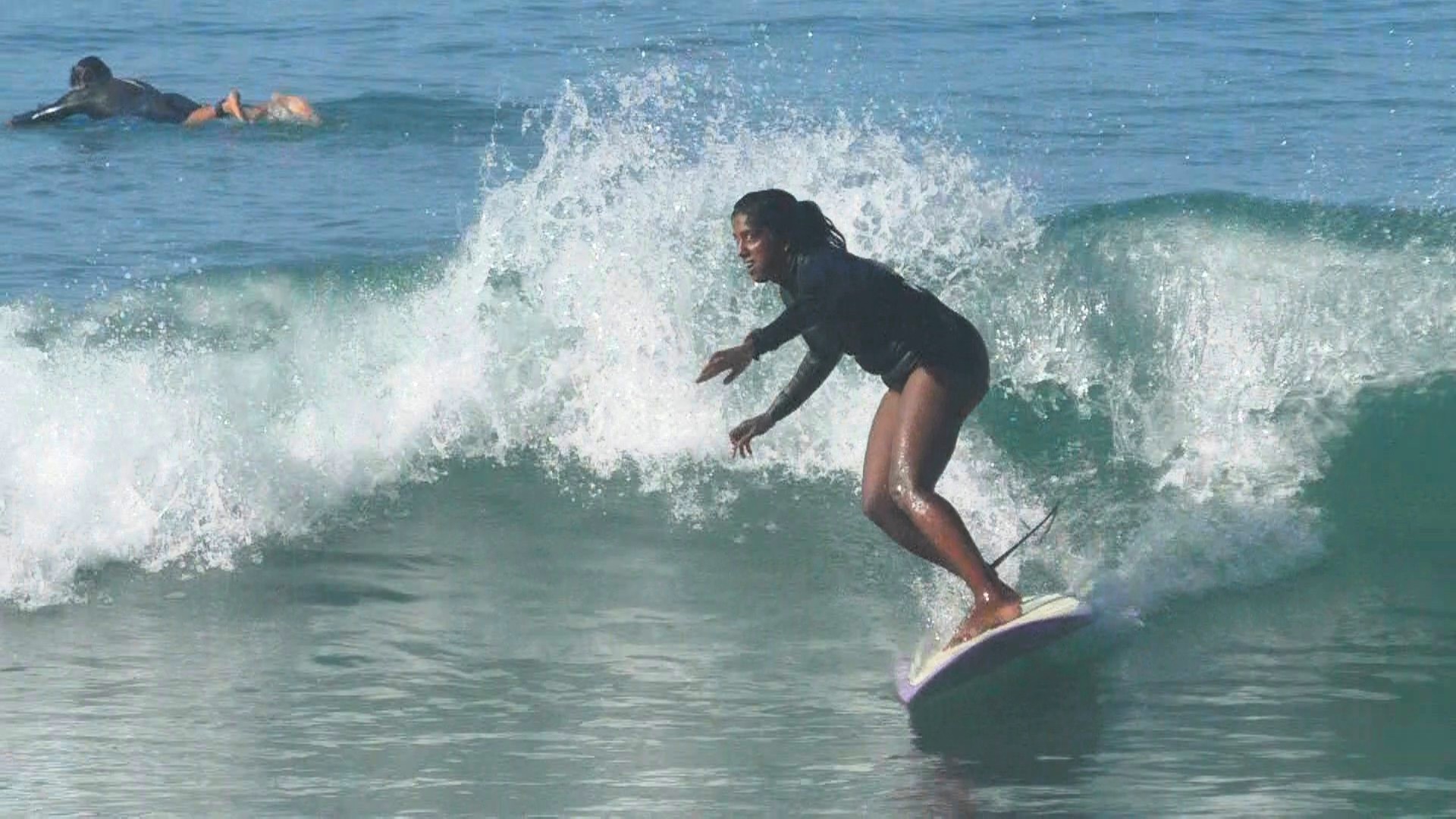
But the biggest difference wasn't the temperature. It was the waves.
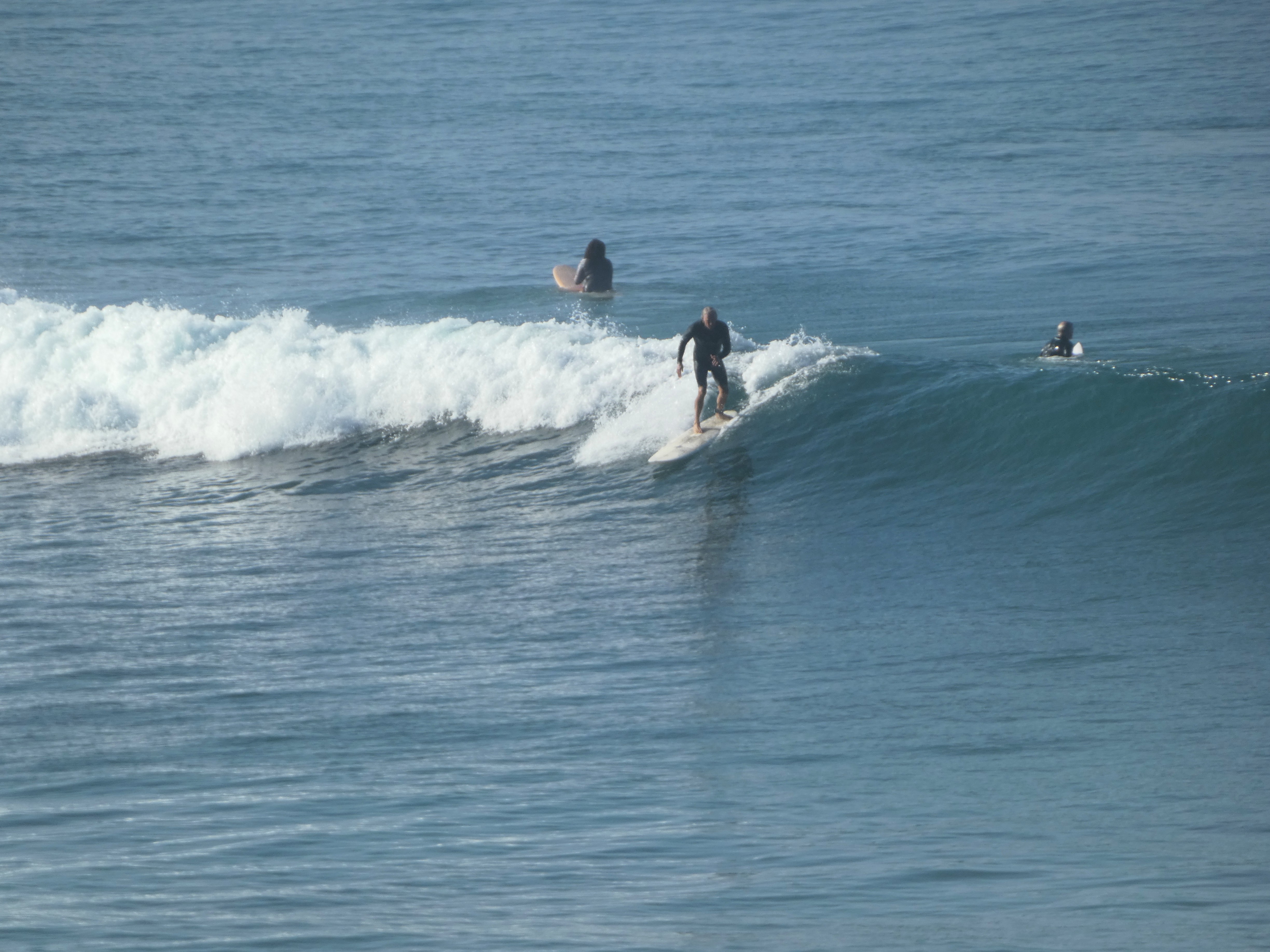
Much of our surfing took place at a super-fun, mellow break that gave everyone room to settle in, find their rhythm, and work on their surfing without feeling rushed. Due to inland location of the more protected Southern California surf spots, this trip gave us a different relationship with the ocean than the one we were used to back home.
For intermediate surfers, that can make a real difference. When you're accustomed to more exposed breaks or waves that demand a certain level of commitment just to get into position, surfing somewhere more approachable creates room to experiment with positioning, paddling, takeoff timing, and surf technique.
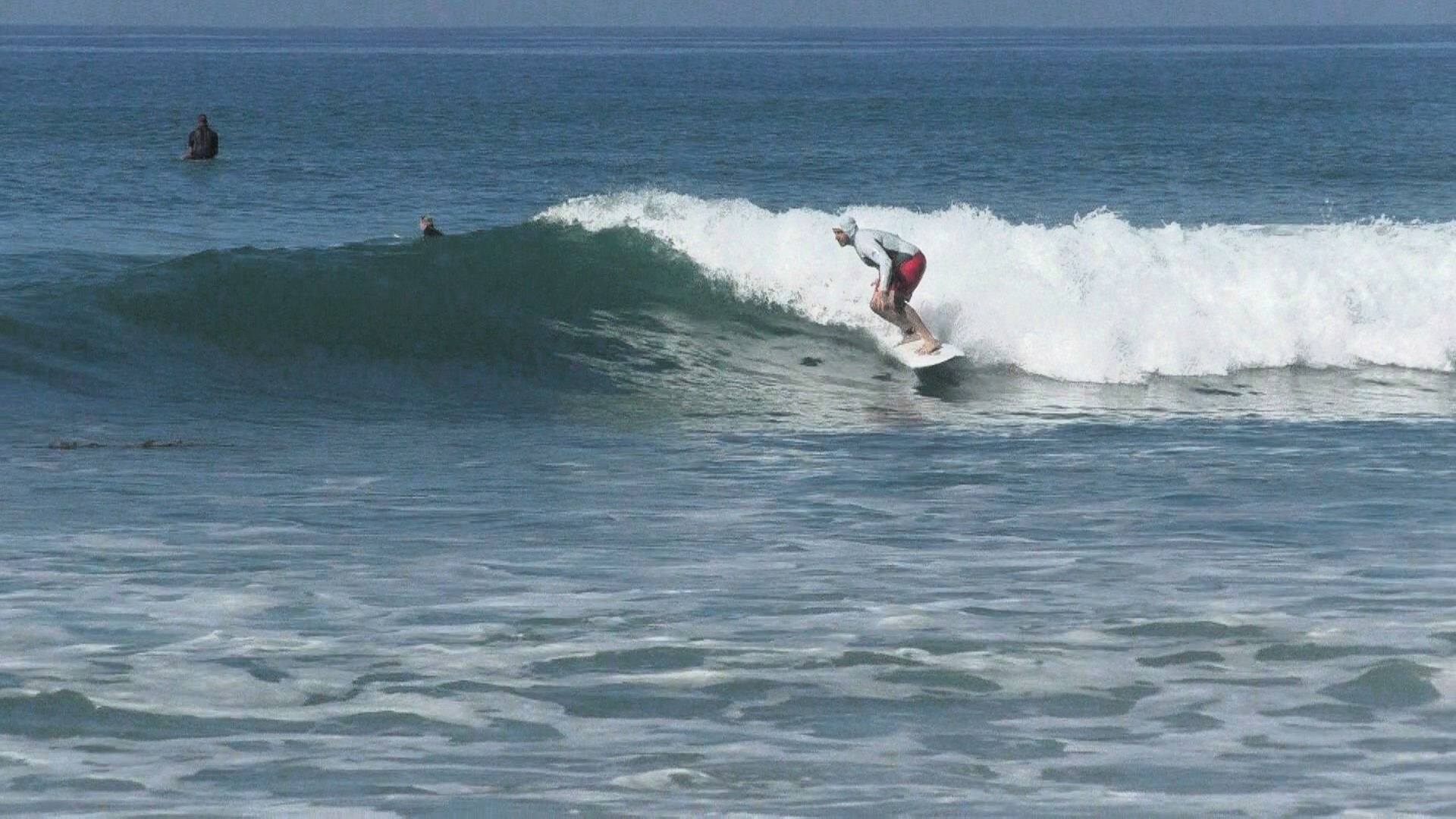
The goal wasn't to avoid challenging waves altogether. We mixed in a few afternoon sessions specifically designed to stretch everyone's comfort zone, allowing surfers to build confidence in manageable steps.
As a result, confidence grew.
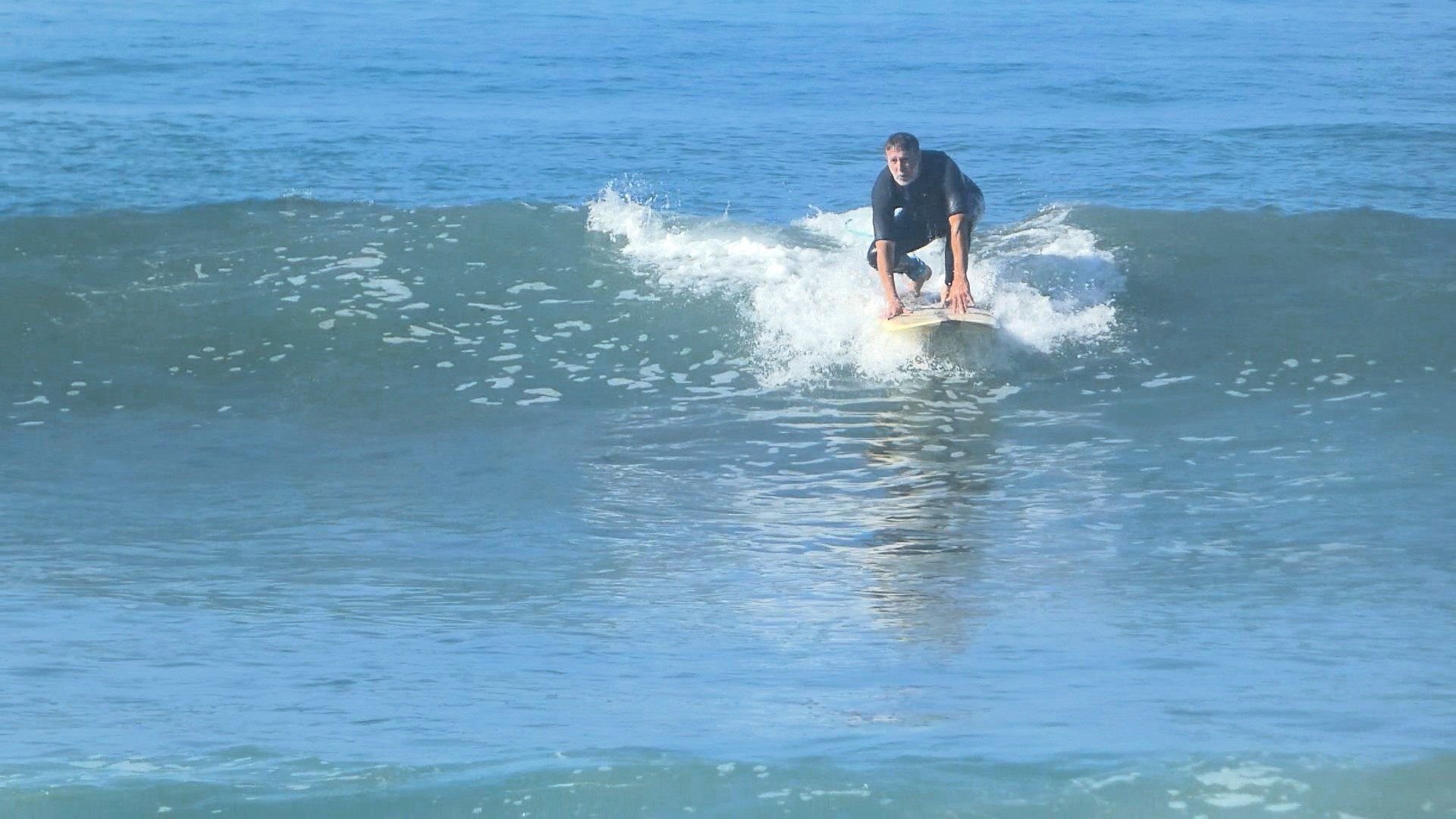
Two Coaches, One Goal: Help You Break Through
The trip brought together two complementary coaching perspectives.
Zak Abeles worked on surf technique, helping surfers improve what happened once they were up and riding. I focused on paddling and takeoff technique - the skills that determine whether you get into the wave, catch it in the right place, and have the time and control to execute your intended maneuver.
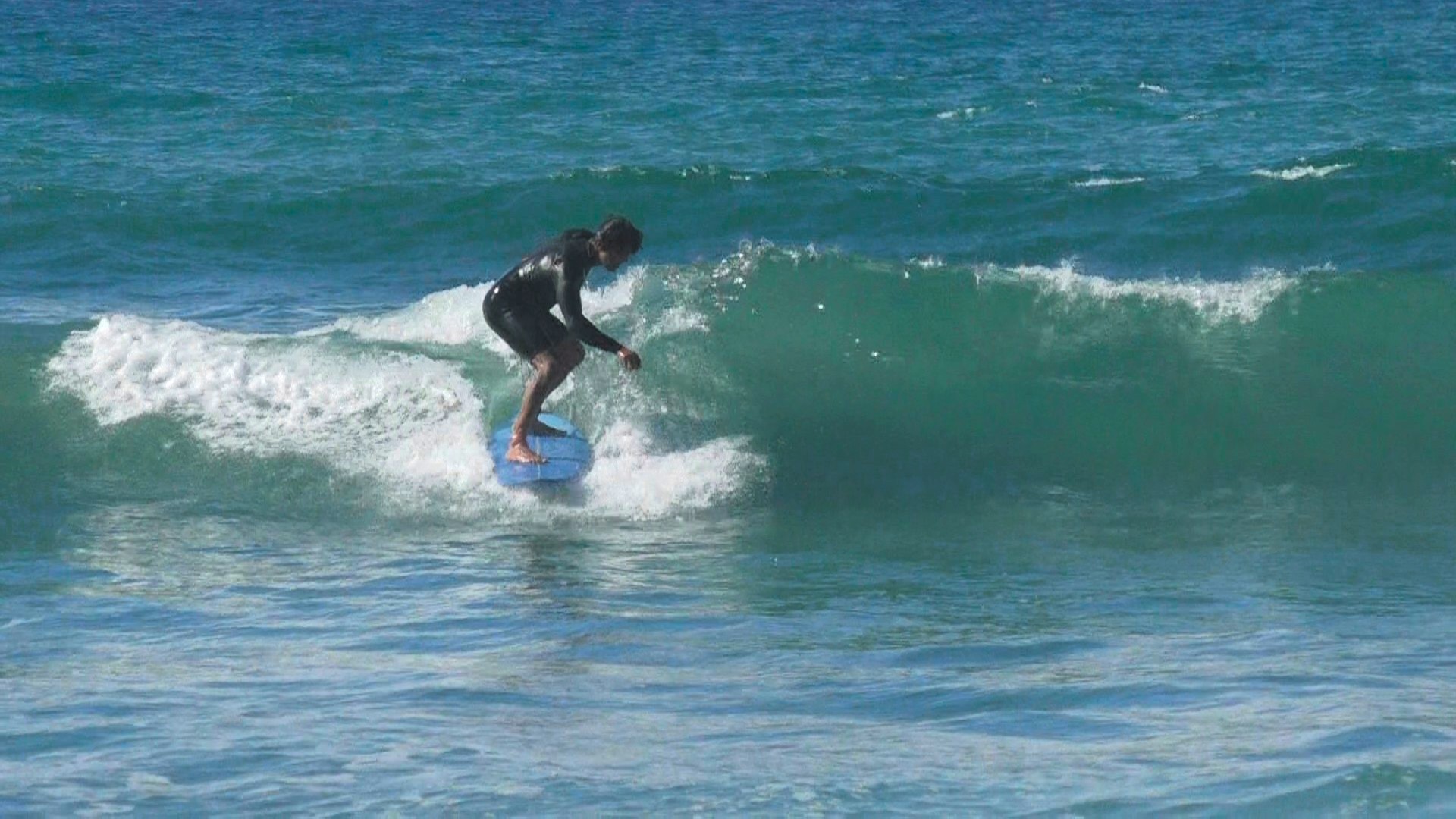
Together, we worked on the connections between catching waves and surfing them, helping each participant identify the technical adjustments most likely to move their surfing forward.
Each day included two surf sessions, with a morning routine and surf check to get everyone prepared. Rather than simply checking the waves and paddling out, we took time to consider the conditions, identify opportunities, and establish an intention for the session.
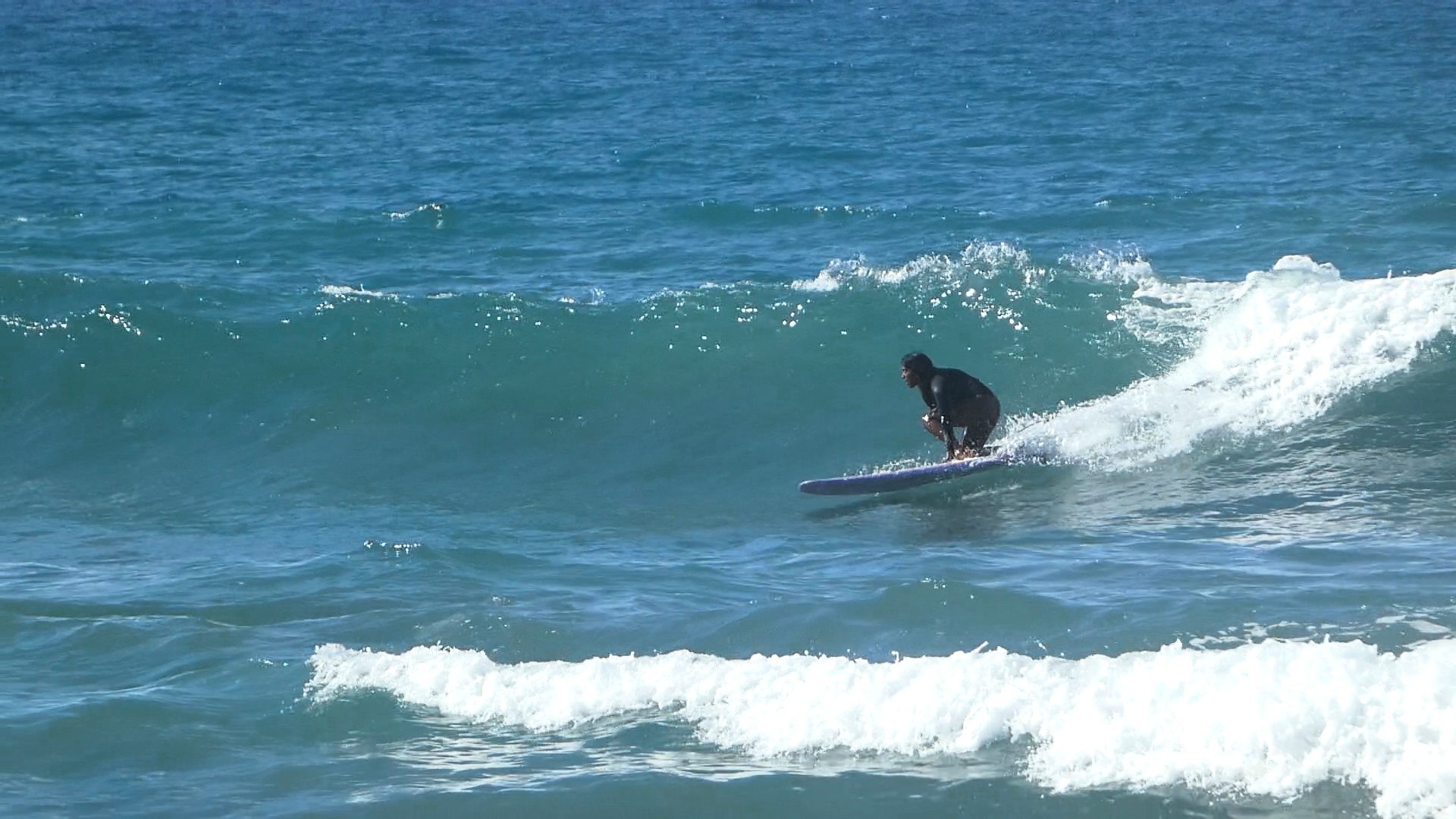
We also ran Master Lessons covering several areas including
- Sport psychology: Setting up the right mindset for learning and improving.
- Forecasting: Understanding conditions and making better decisions about where and when to surf.
- Wave reading: Recognizing opportunities, improving positioning, and anticipating how a wave will develop.
- The pop-up: Making the transition from paddling to standing more reliable and controlled.
- The bottom turn: Building a stronger foundation for generating speed, controlling direction, and setting up the rest of the ride.
The lessons gave everyone a framework to work with, while the surf sessions provided opportunities to put those ideas into practice.
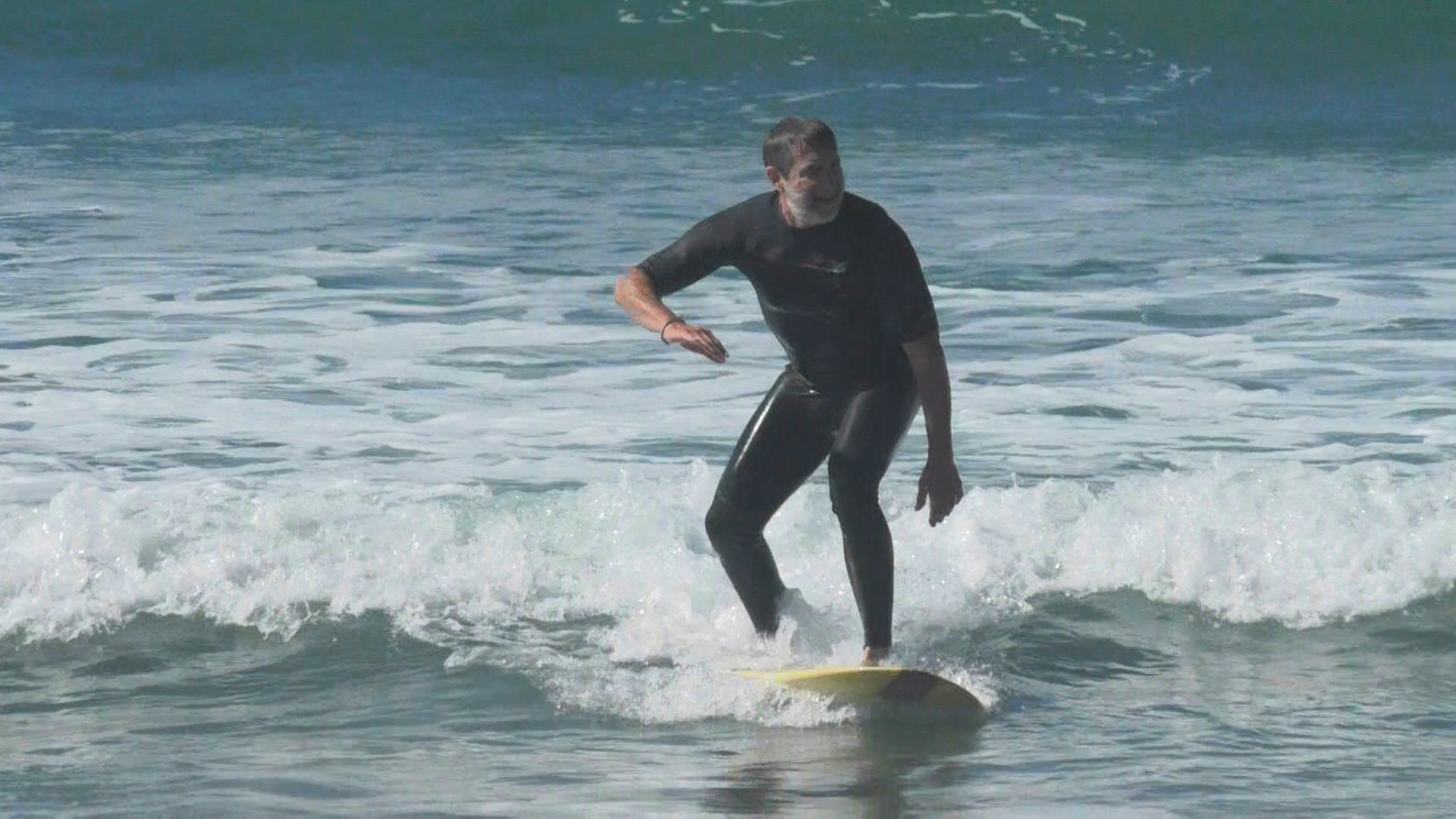
Video Review: Immediate Feedback and Deeper Understanding
One of the most valuable parts of coaching is helping surfers see the difference between what they think they're doing and what's actually happening.
Surfing is fast and unpredictable (except for paddling), and it's difficult to identify the small technical details that influence a wave when you're focused on catching it and staying on your feet. Video helps make those details visible.
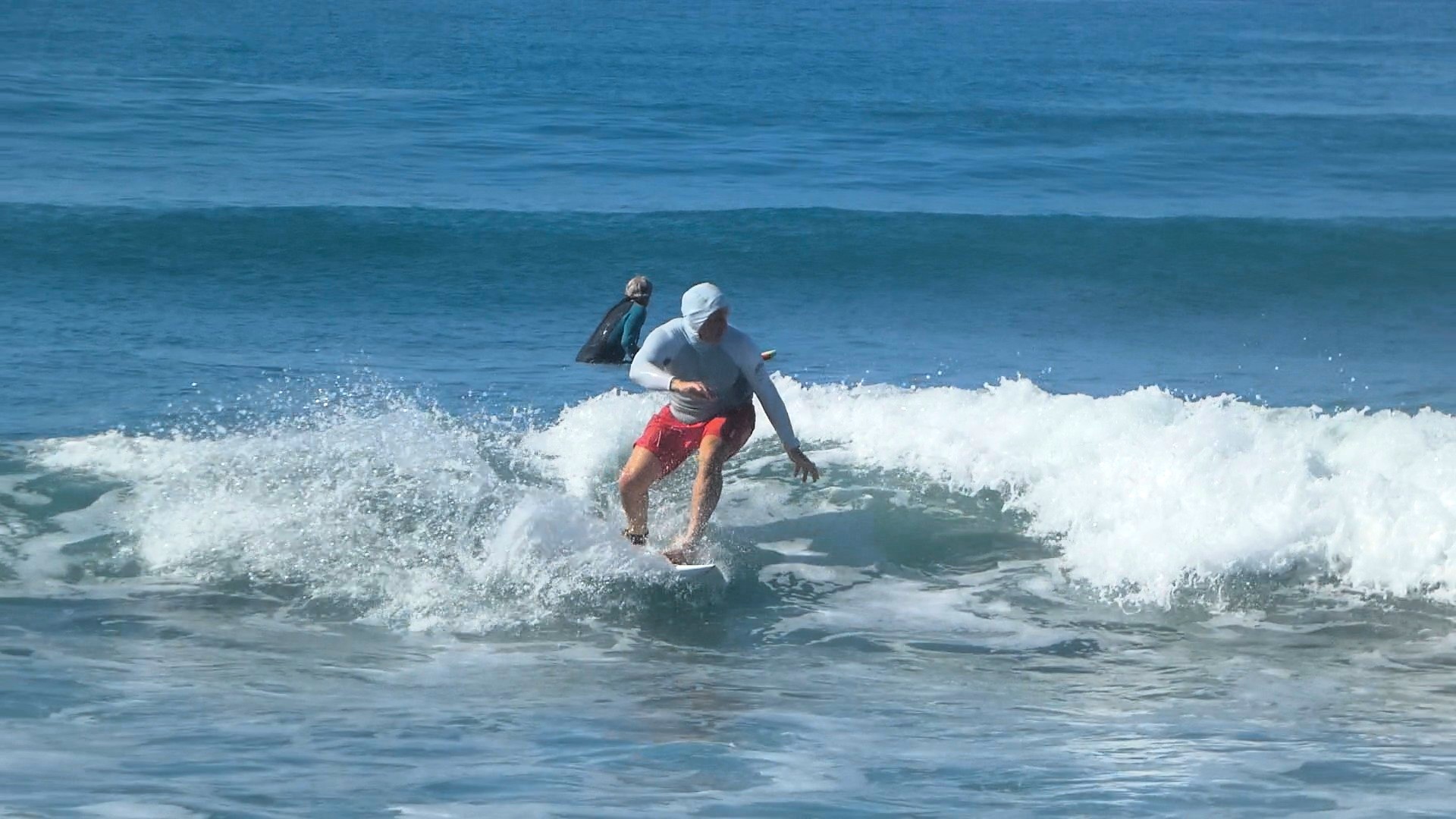
We approached video review in two ways.
First, we conducted immediate reviews on the beach. After capturing footage, we'd bring a surfer in, review a specific wave or movement, identify a correction, and send them back out to try it. This created a short feedback loop: see the issue, understand the adjustment, and put it into practice while the experience was still fresh.
Between surf sessions, we conducted longer, individual video reviews. These gave us time to examine patterns across multiple waves, explain the mechanics behind particular movements, and develop a deeper understanding of what was helping or holding each surfer back.
The longer reviews also gave participants time to absorb the information rather than simply trying to remember a quick instruction between waves.
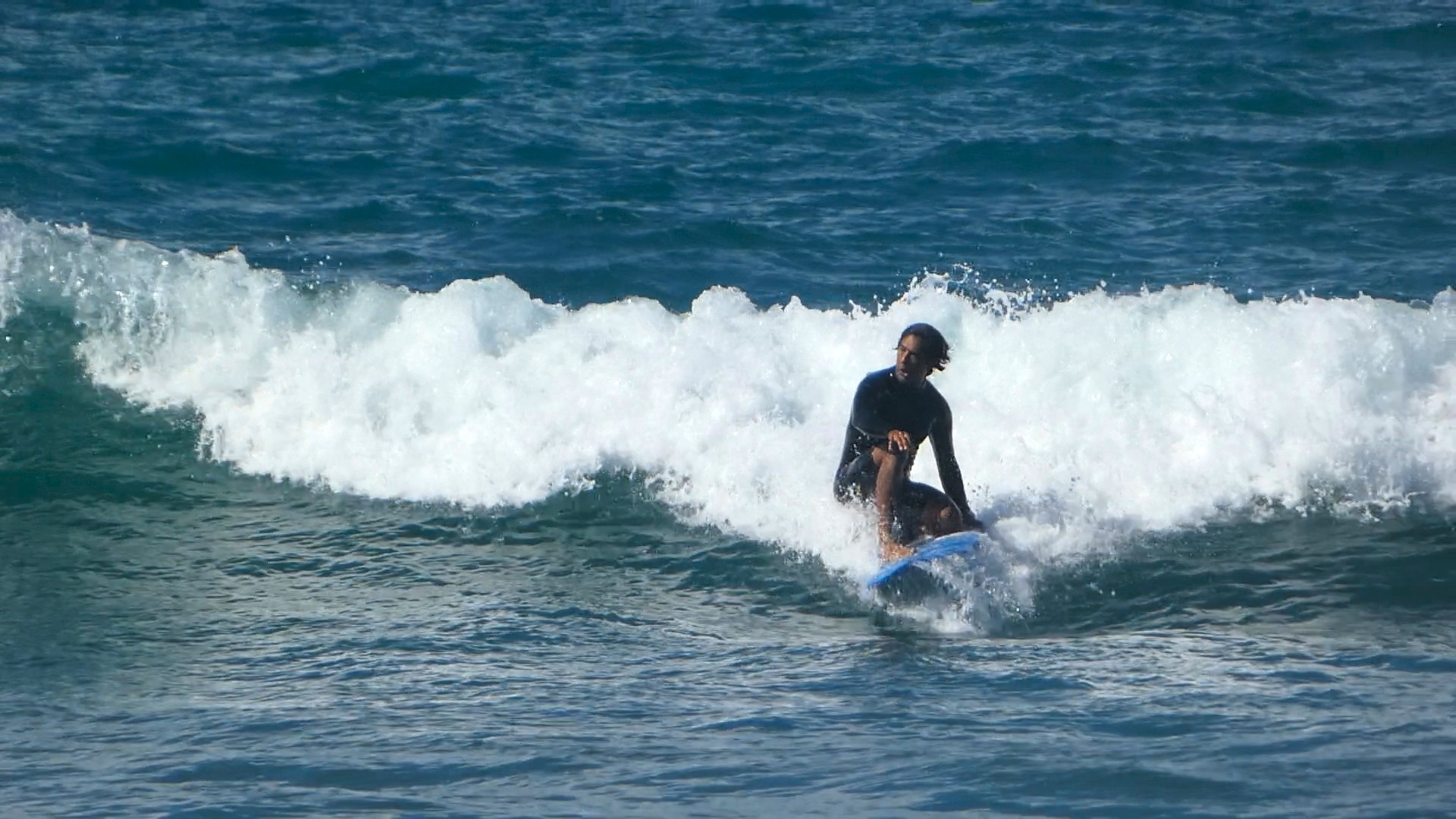
We identified each surfer's limiting factors and narrowed the feedback down to a few key focus points. For one person, that might mean improving paddling mechanics or takeoff timing. For another, it might mean reading the wave earlier, holding longer through a bottom turn, or adjusting their foot locations on the board.
You can’t fix everything at once. The goal is to find the right next thing to work on.
With two sessions a day, everyone had repeated opportunities to practice, review new footage, and refine their approach throughout the week.
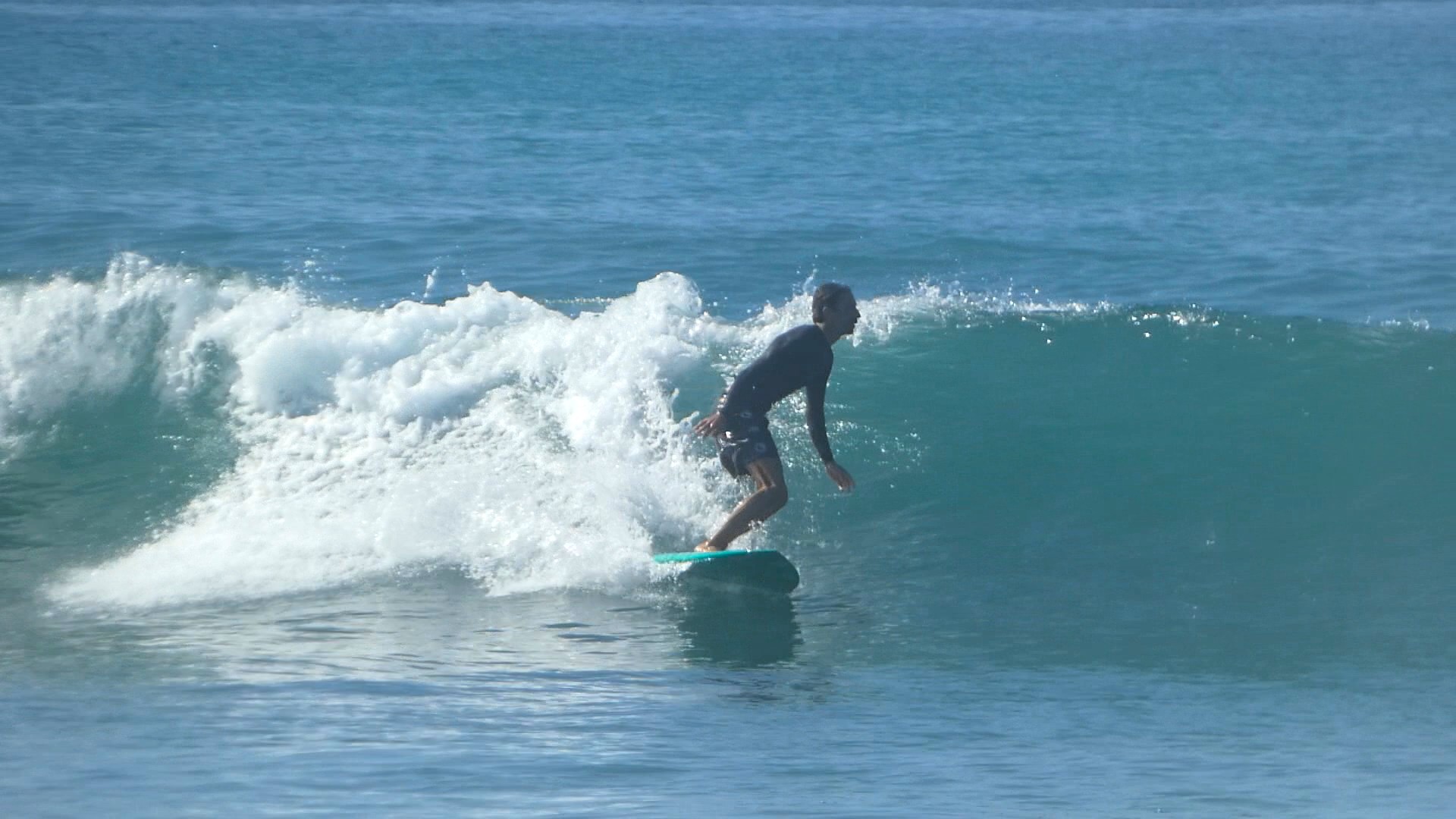
Stretching the Comfort Zone—Without Jumping Off a Cliff
Most of our sessions took place in approachable, mellow conditions. That wasn't an accident. It allowed surfers to repeat movements and concentrate on technique without constantly managing the demands of a more challenging environment.
But staying comfortable all week wasn't the objective, either.
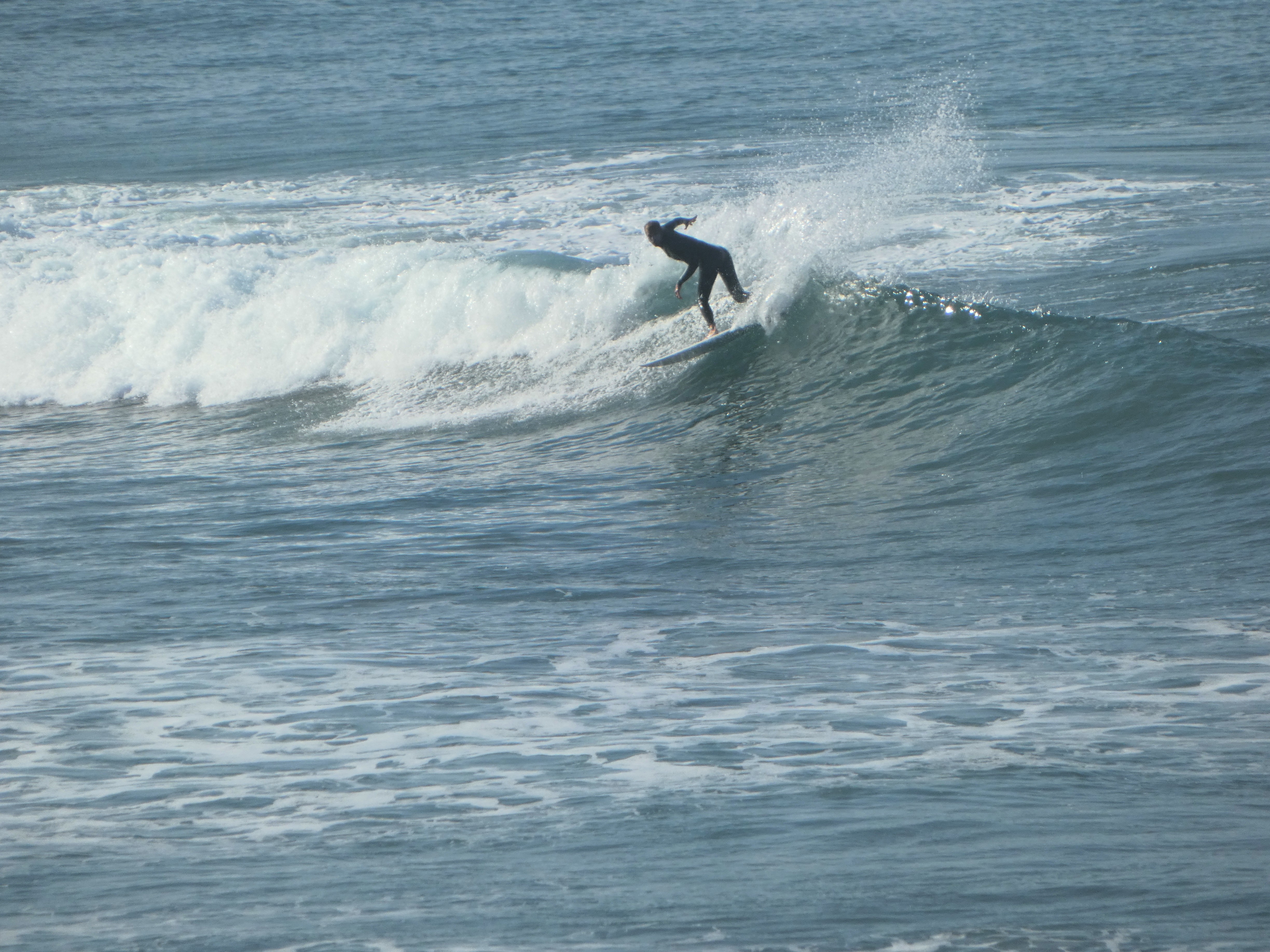
A few afternoon sessions were designed to stretch everyone's comfort zone. The idea was to take the skills and confidence developed during the more relaxed sessions and apply them in conditions that demanded a little more.
There's an important distinction between challenging yourself and overwhelming yourself.
When a session is far beyond your current ability, you can spend all your energy just trying to cope. There's little room left to experiment with technique or make decisions deliberately.
When the challenge is manageable, however, you can begin to recognize that you're capable of more than you thought. You might paddle into a different lineup, commit to a wave that previously felt intimidating, or trust a technical adjustment when the consequences feel a little bigger.
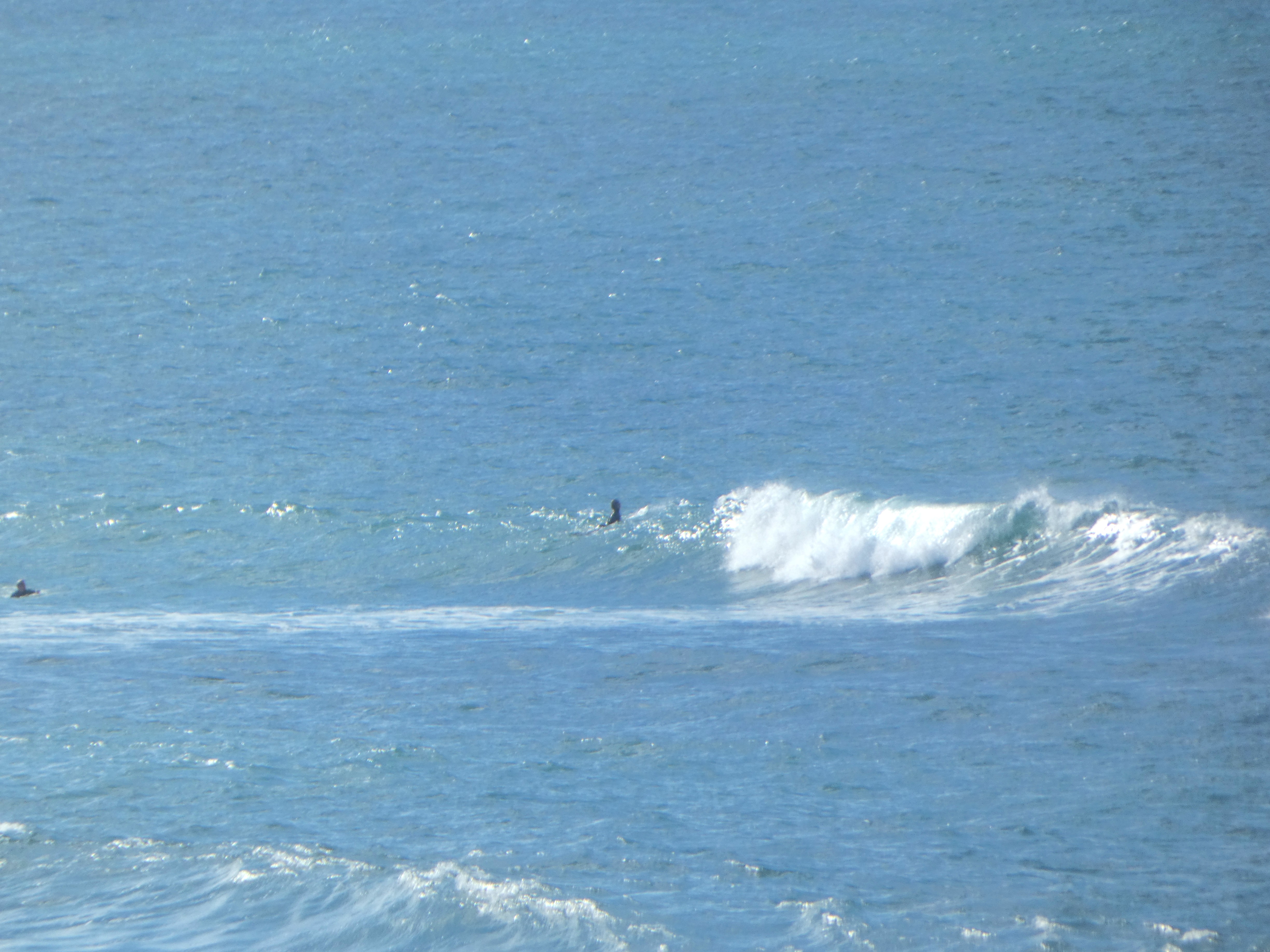
Recovery Is Part of the Training
Surfing twice a day for five days is a significant amount of practice. Maintaining good movement patterns and managing your effort helps make that repetition productive.
That's why our days didn't end when we left the water.
Hot tub stretch sessions gave everyone an opportunity to work on mobility, prepare for the next session, and talk through the day's surfing. They also provided time to share observations and decide what to focus on next.
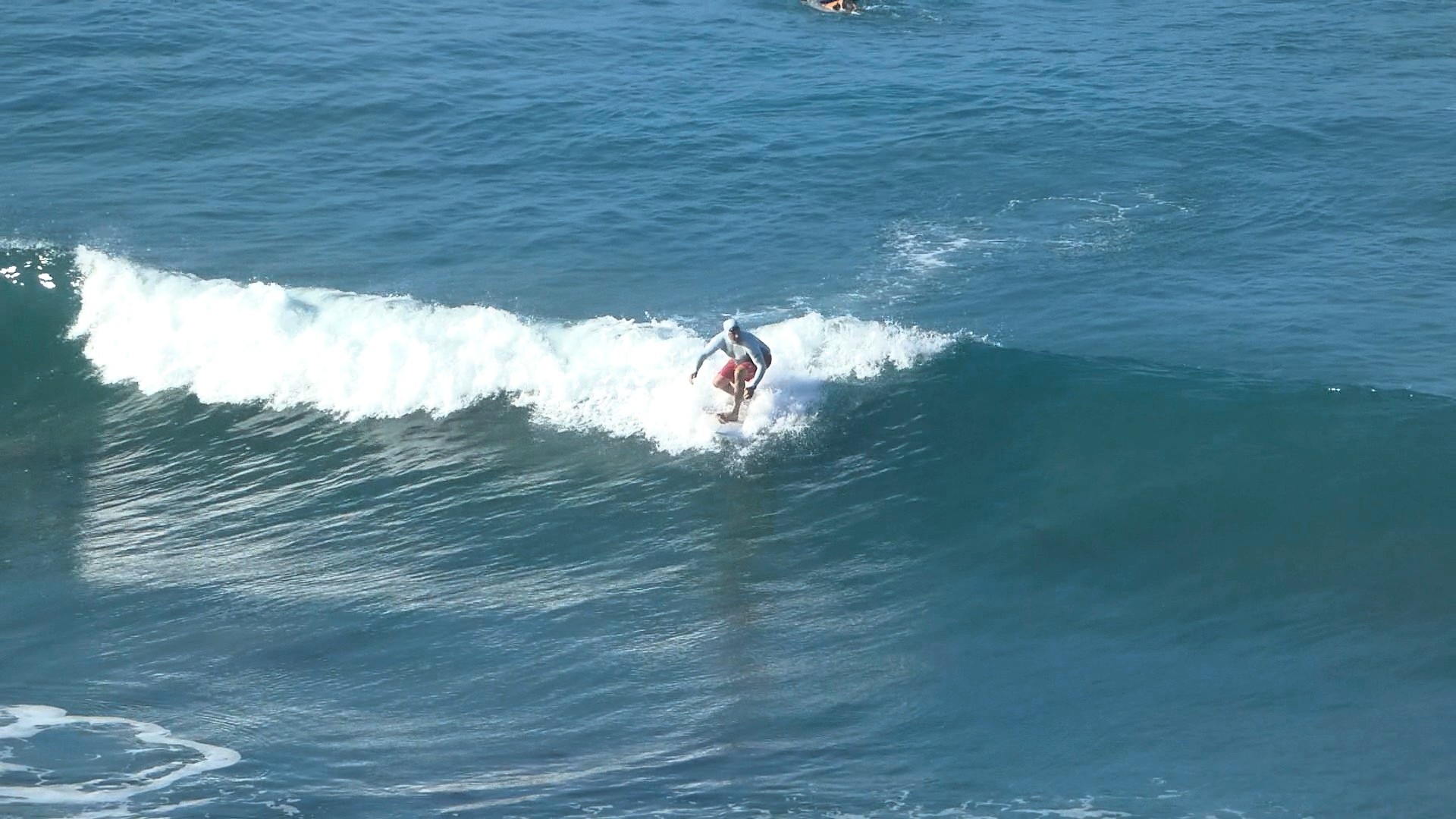
Recovery isn't just about being physically ready to surf again. It's also about creating space to absorb what you've learned.
And let's be honest: after a couple of surf sessions, some coaching, and a few technical adjustments, a hot tub is a pretty good place to be.
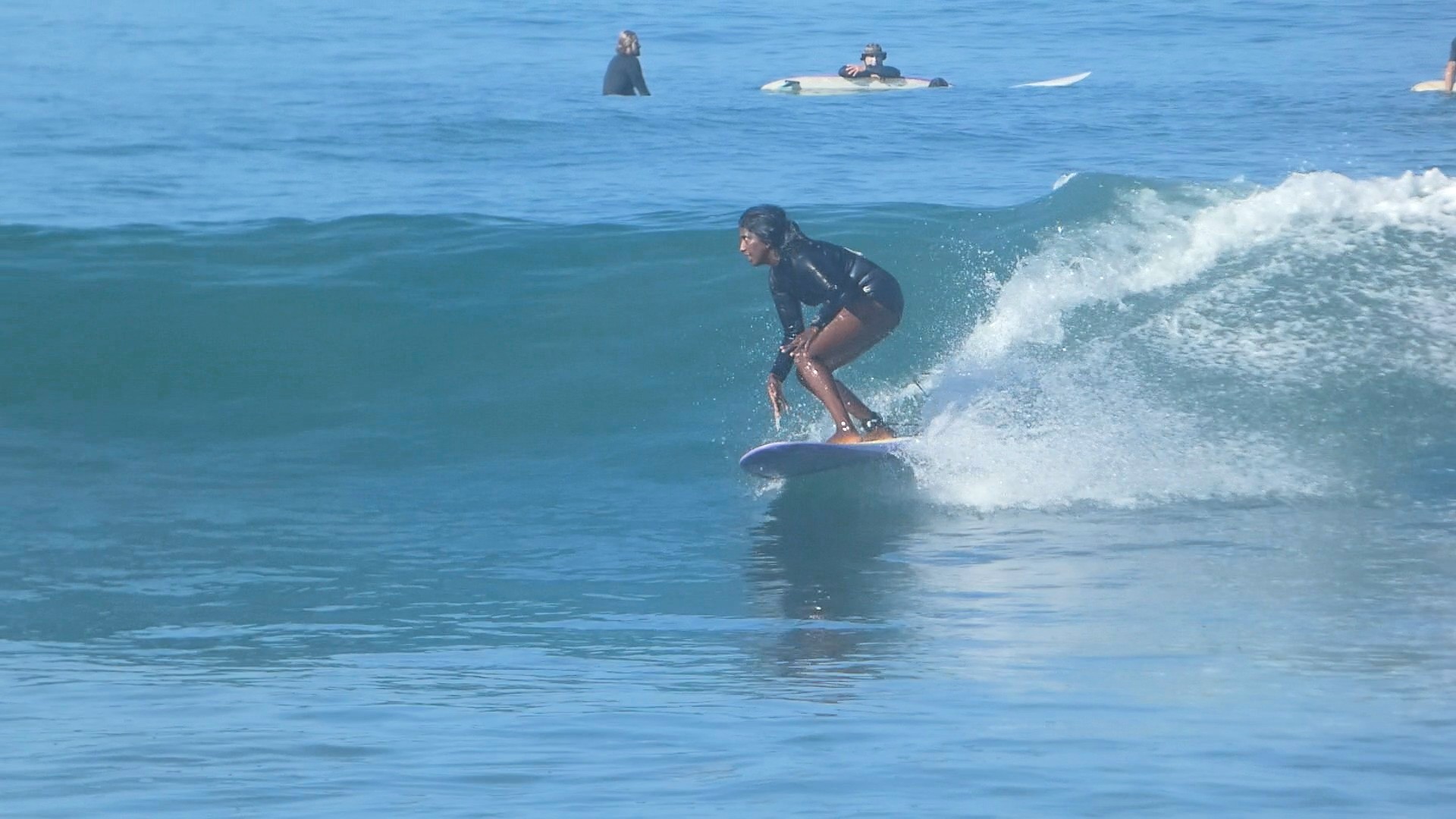
Getting Away Without Going Far Away
There's a reason people travel for surf trips. Getting out of your normal environment changes your priorities. You have fewer distractions, more time in the water, and a shared purpose with the people around you.
But you don't necessarily need a passport, a long-haul flight, or an expensive expedition to make that happen.
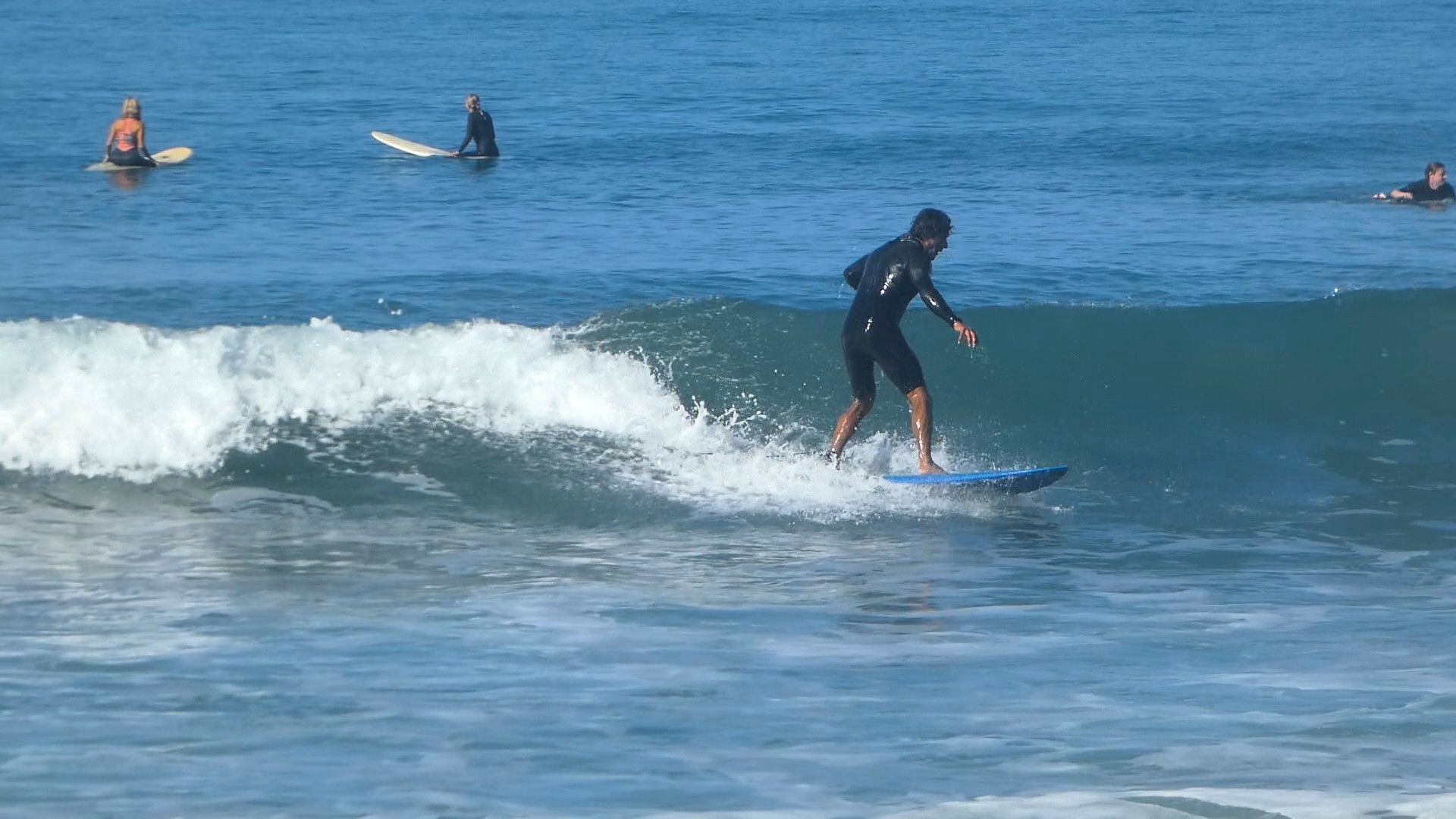
For our Northern California and Oregon crew, SoCal provided enough distance from home to feel different while keeping the logistics relatively simple. We traded familiar cold-water lineups for warm water, trunks, and a more protected stretch of Southern California coastline.
More importantly, we traded our usual surfing routines for five days of deliberate practice.
We surfed twice a day, studied the forecast and the waves, worked on technique, reviewed our footage, and challenged ourselves when the opportunity was right. In between, we made time for recovery and conversation.
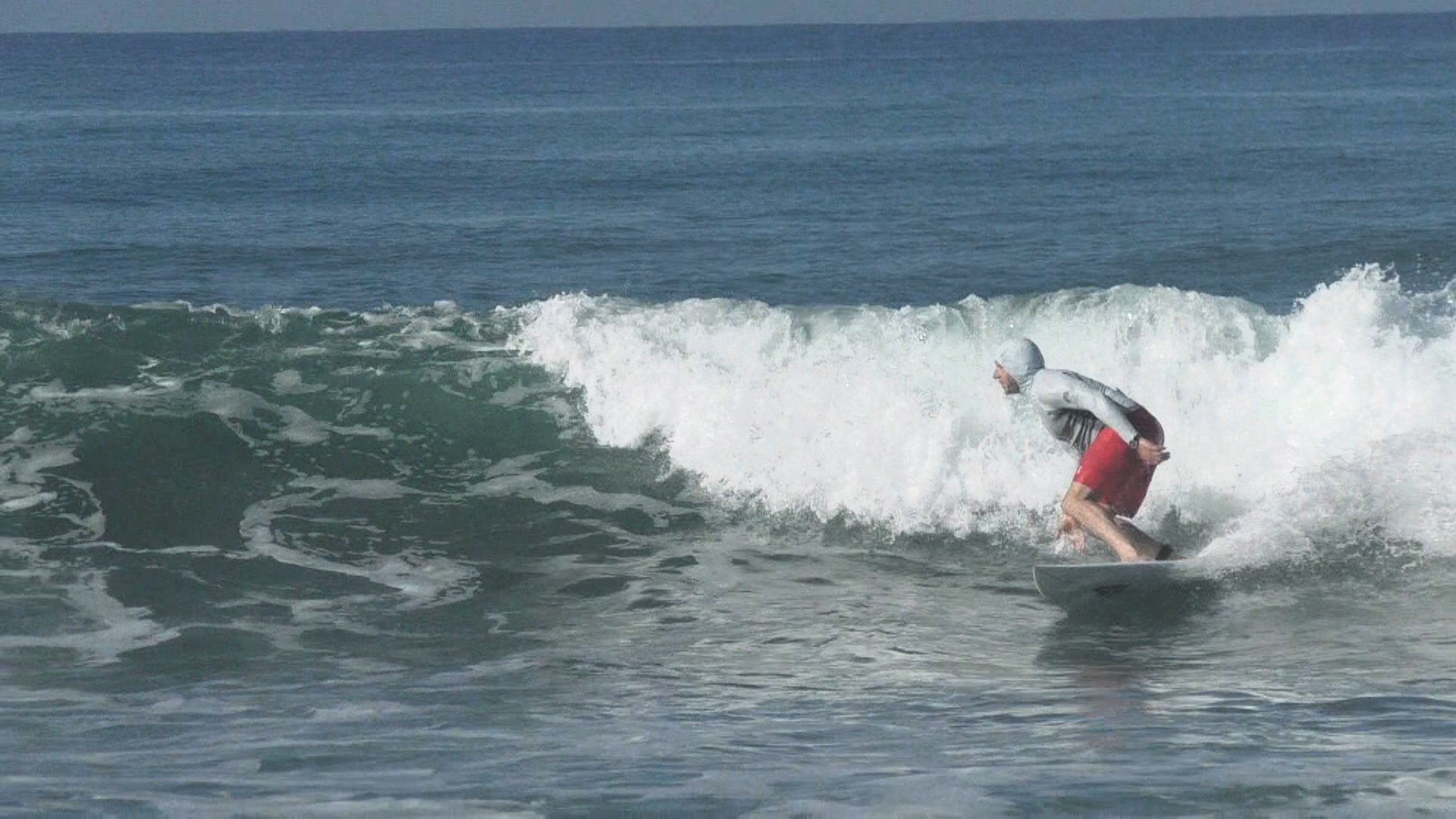
It was a reminder that the biggest benefit may just be the opportunity to step away from your everyday life long enough to give something important your full attention.
You don't need perfect waves, a tropical island, or a once-in-a-lifetime swell to make meaningful progress. You need the right environment, a willingness to learn, and enough time to put what you're learning into practice.
And if that environment happens to include warm water and surfing in trunks in October, all the better.
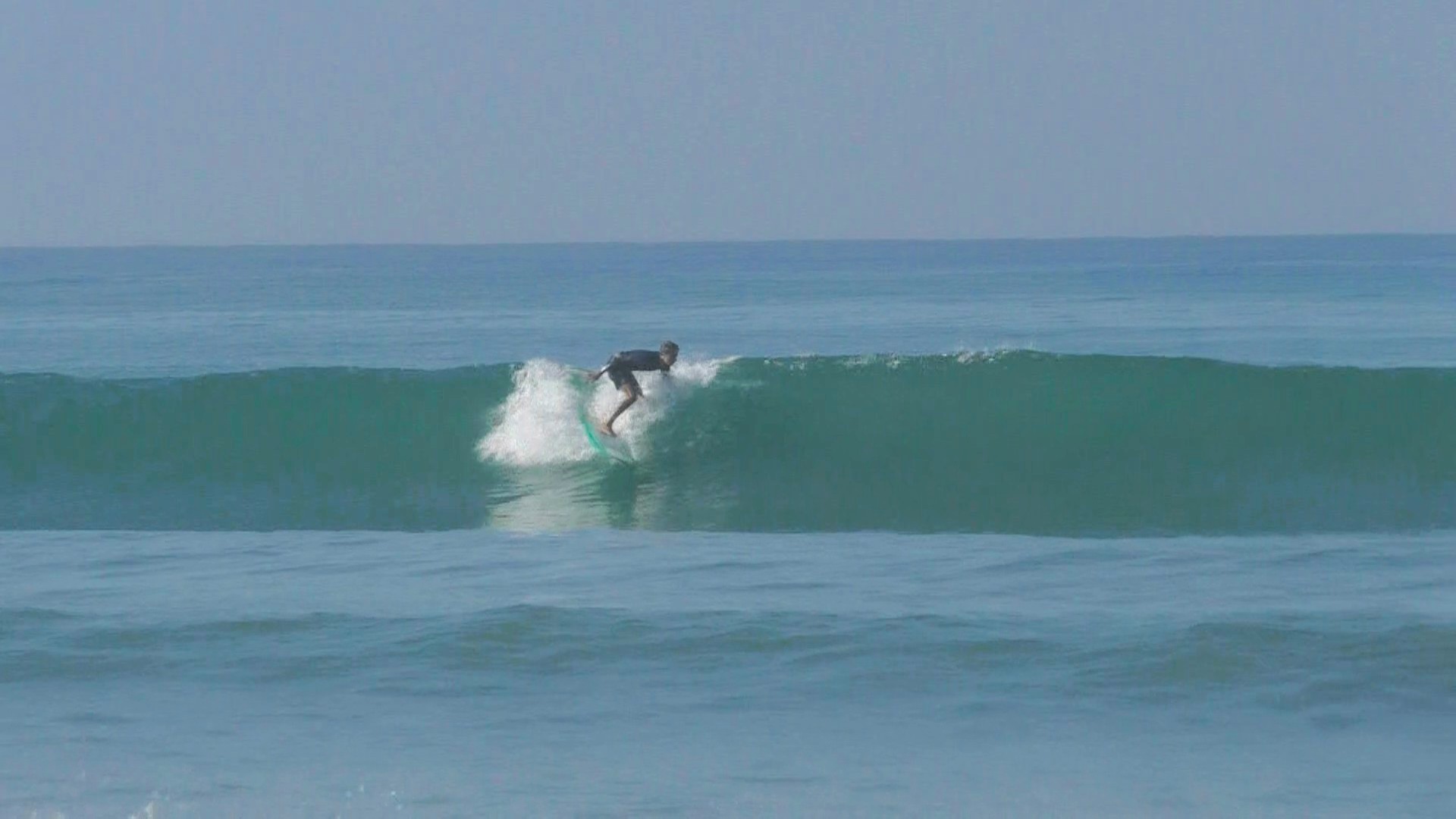
You don't always need to go far to get away. Sometimes you just need five days, a board, a group of amazing human beings, and a plan to come back surfing a little better than you left.
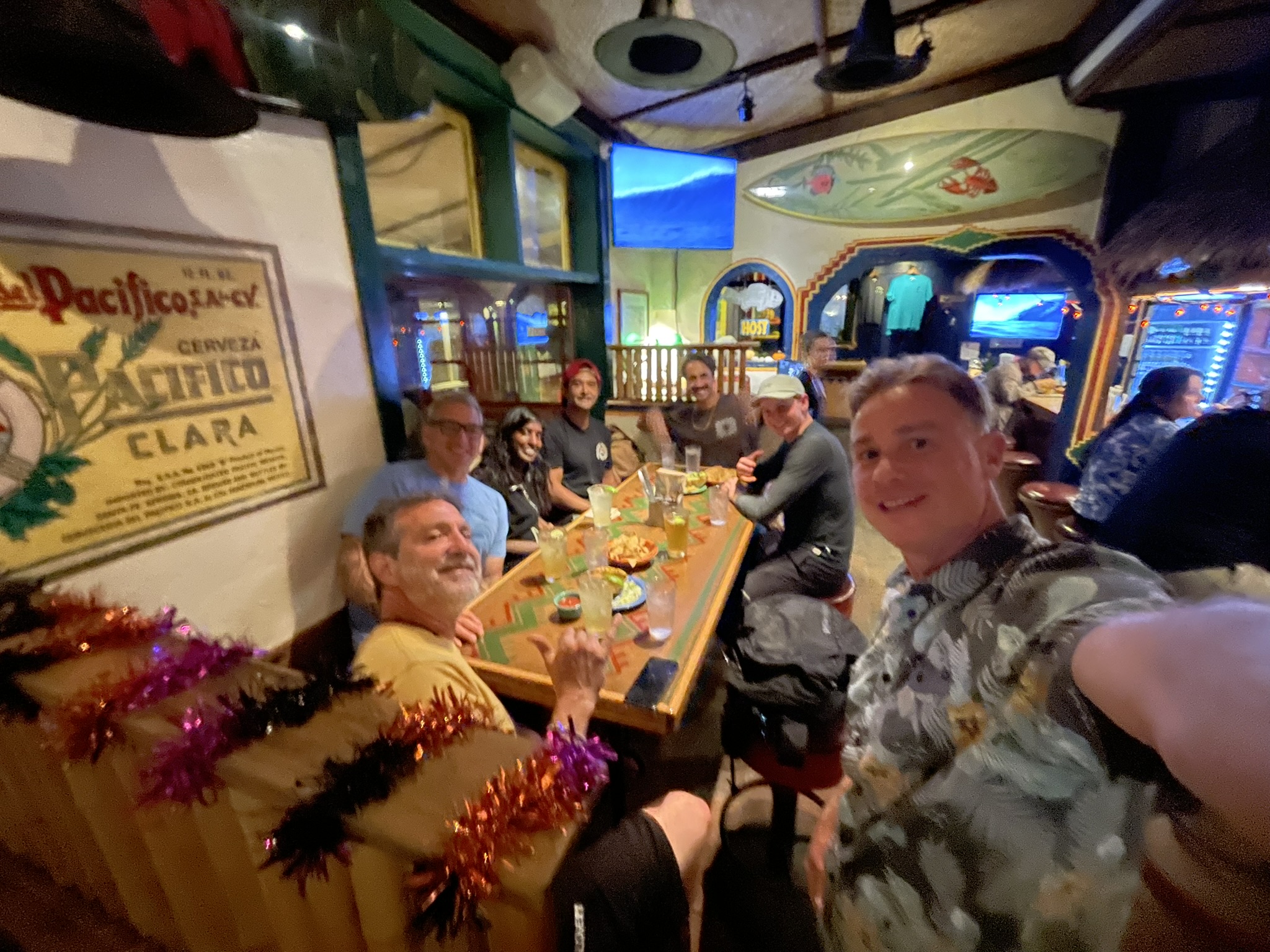
If you're interested in any of our coaching trips, please reach out through our contact page and subscribe to the monthly newsletter to get announcements for upcoming events.
Get Free Training, Quick Tips, News and Updates with the monthly newsletter!
Join our mailing list to receive the latest news and updates. Your information will not be shared.
