
How to Make a Sh&#ty Surf Day Suck Less CHALLENGE
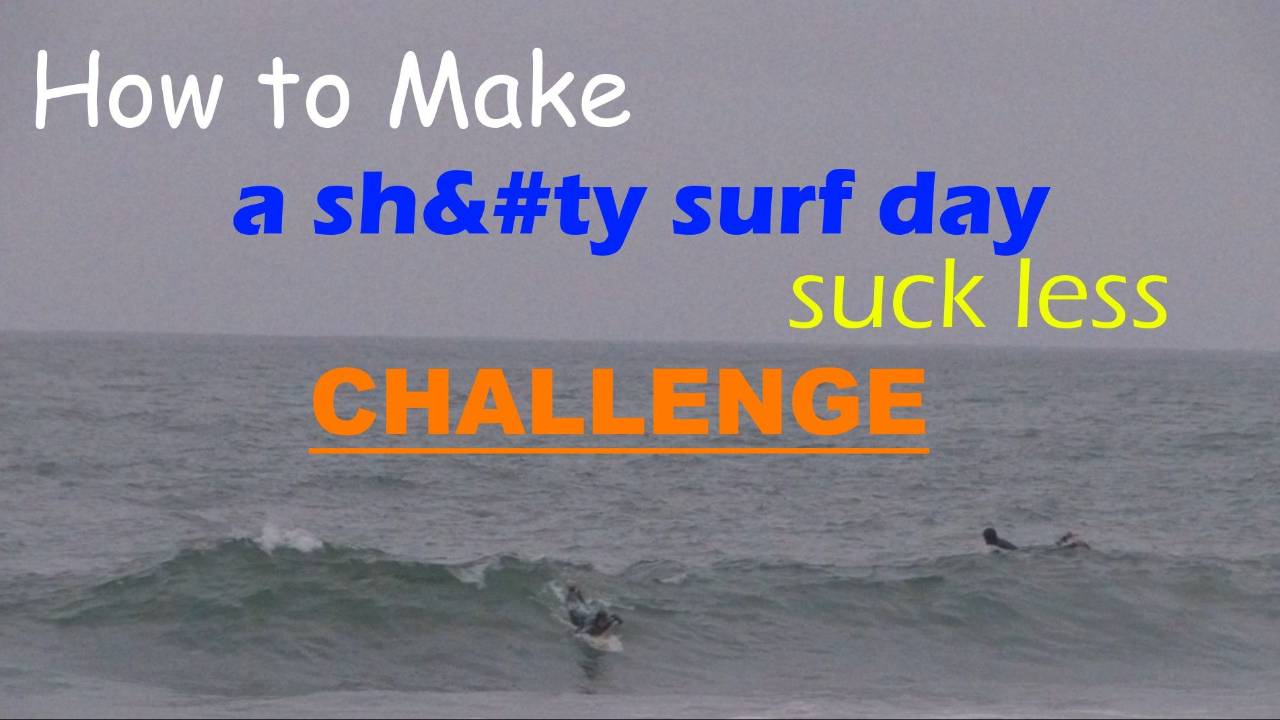
The waves weren't good.
Not terrible in the sense that you couldn't surf them. Just…not motivating.
Small. Inconsistent. Nothing particularly exciting on the horizon.
The kind of conditions where you paddle out, catch a couple of waves, and start wondering if you should have just stayed home.
I've had plenty of those days.
Over the years, I've developed a little challenge I go back to whenever the waves aren't very good.
Instead of judging the session by the quality of the waves, I give myself a different objective:
How many waves can I catch in 90 minutes?
Not how many good waves.
Just waves.
The challenge is simple:
30 minutes on a longer board.
30 minutes on a shorter board.
30 minutes bodysurfing.
I do my normal warm up at the car, jog to the water’s edge and between each round, I come back in, jog back to my car, switch equipment, and lightly jog back to the water.
No sitting around.
No checking the phone.
No waiting for the conditions to improve.
Just keep moving.
And I keep moving in the lineup.
I give myself one target:
10 waves every 30 minutes.
Recently, I put myself through the challenge again.
I grabbed my 6'8" Z Twin as my longer board, my 5'8" Dryv Thin Mint Twin as my shorter board, and threw my bodysurf fins in the car.
The waves were nothing special.
But I knew exactly what I was going to do.
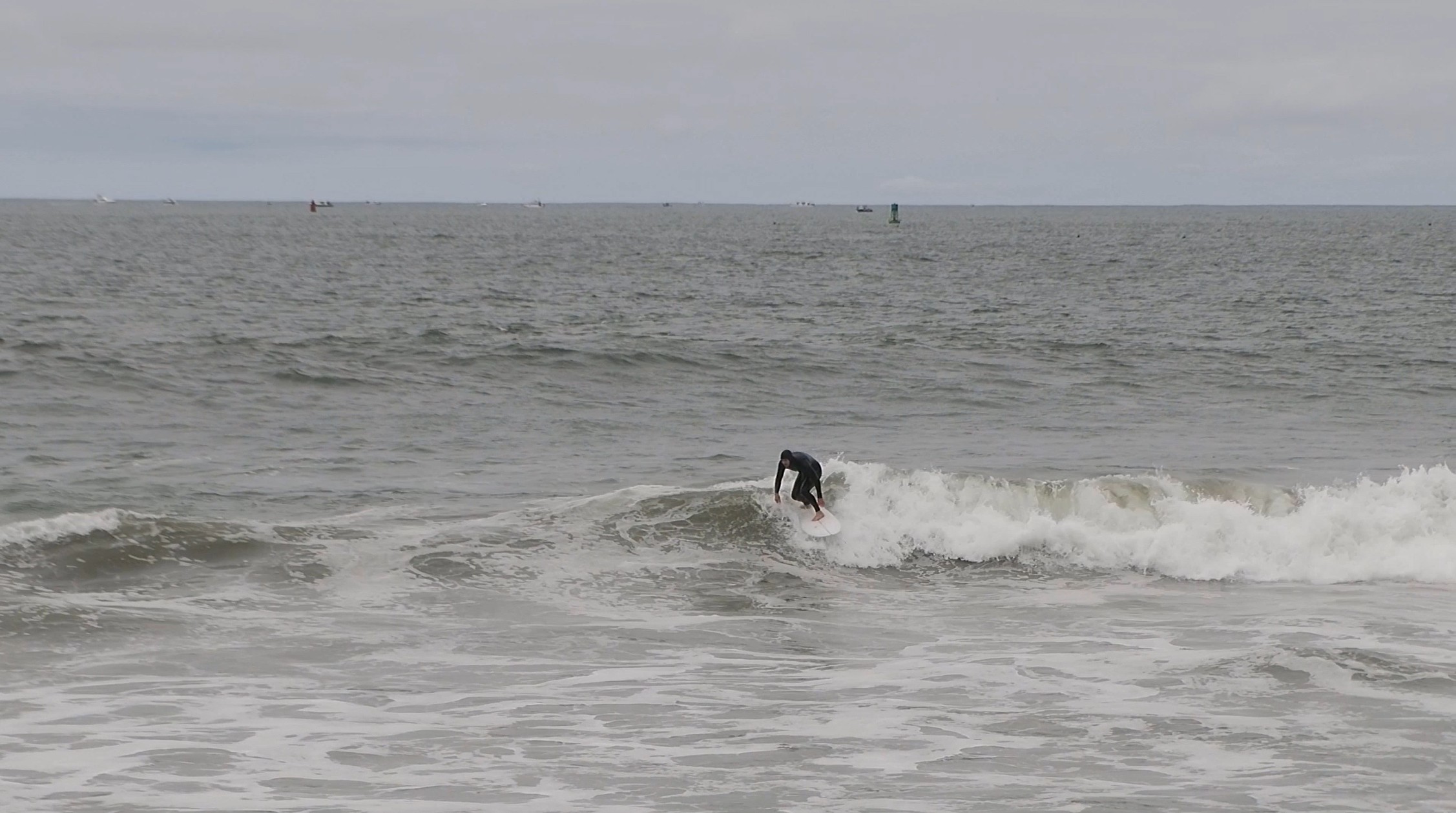
Round One: 6'8" Z Twin
Warmed up at the car, grabbed the board, jogged to the water’s edge. I put on my leash and started the timer right before entering the water.
Immediately I was looking for waves – on the inside, middle, outside. Whatever came first.
I'm not looking for the perfect wave. I'm looking for the next wave.
I pay attention to where the waves are coming in, where I need to position myself, and how efficiently I can get into each one.
Instead of sitting and waiting for something better, I'm constantly looking.
One wave.
Paddle back out.
Another wave.
Paddle back out.
And another.
Stay active.
The session immediately becomes more engaging.
Thirty minutes later, I had caught 12 waves.
Not bad for a day that, at first glance, didn't look particularly promising.
I jogged back to the car, switched boards, grabbed some water, and lightly jogged back to the beach.
No downtime.
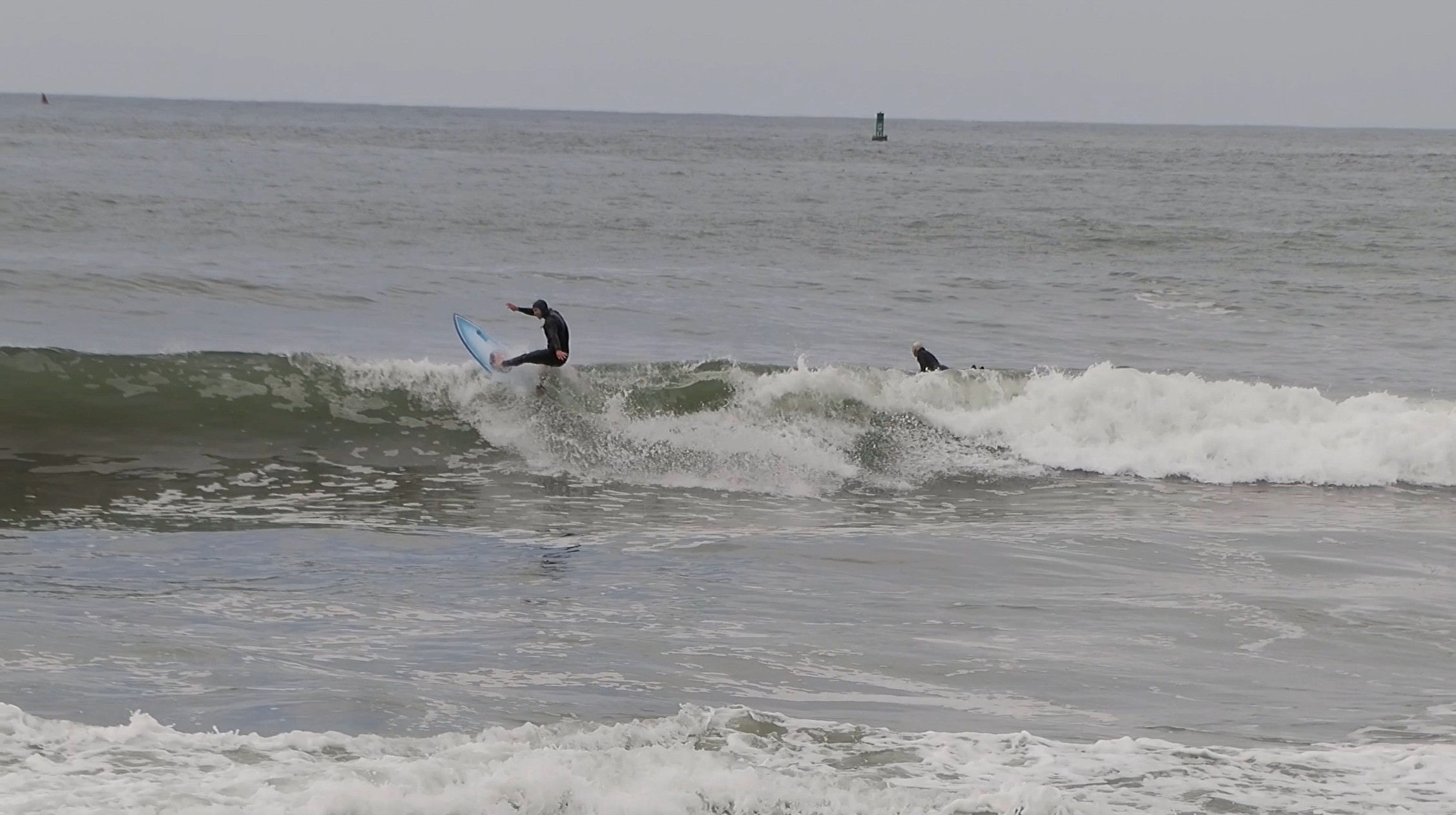
Round Two: 5'8" Dryv Thin Mint Twin
The shorter board felt nice. I felt more in control of my turns because of the switch from the longer rail line.
And I was starting to feel the accumulated effort.
This is where the challenge becomes less about the waves and more about how I'm managing my energy.
Can I maintain my paddling technique?
Can I stay relaxed?
Can I keep my breathing under control?
That becomes the game.
And once again, I'm not thinking about whether the waves are good.
I'm thinking:
Where's the next one?
Near the end of the time block I caught one and then checked my watch – I’m on the inside and it read 29 minutes. I paddle back out. ONLY when it hits 30 minutes do I have permission to come in.
When round 2 ends, I hit 11 waves.
I came in, jogged back to the car, grabbed the fins, and headed back toward the water in a light jog (which began feeling a little heavier in the legs).
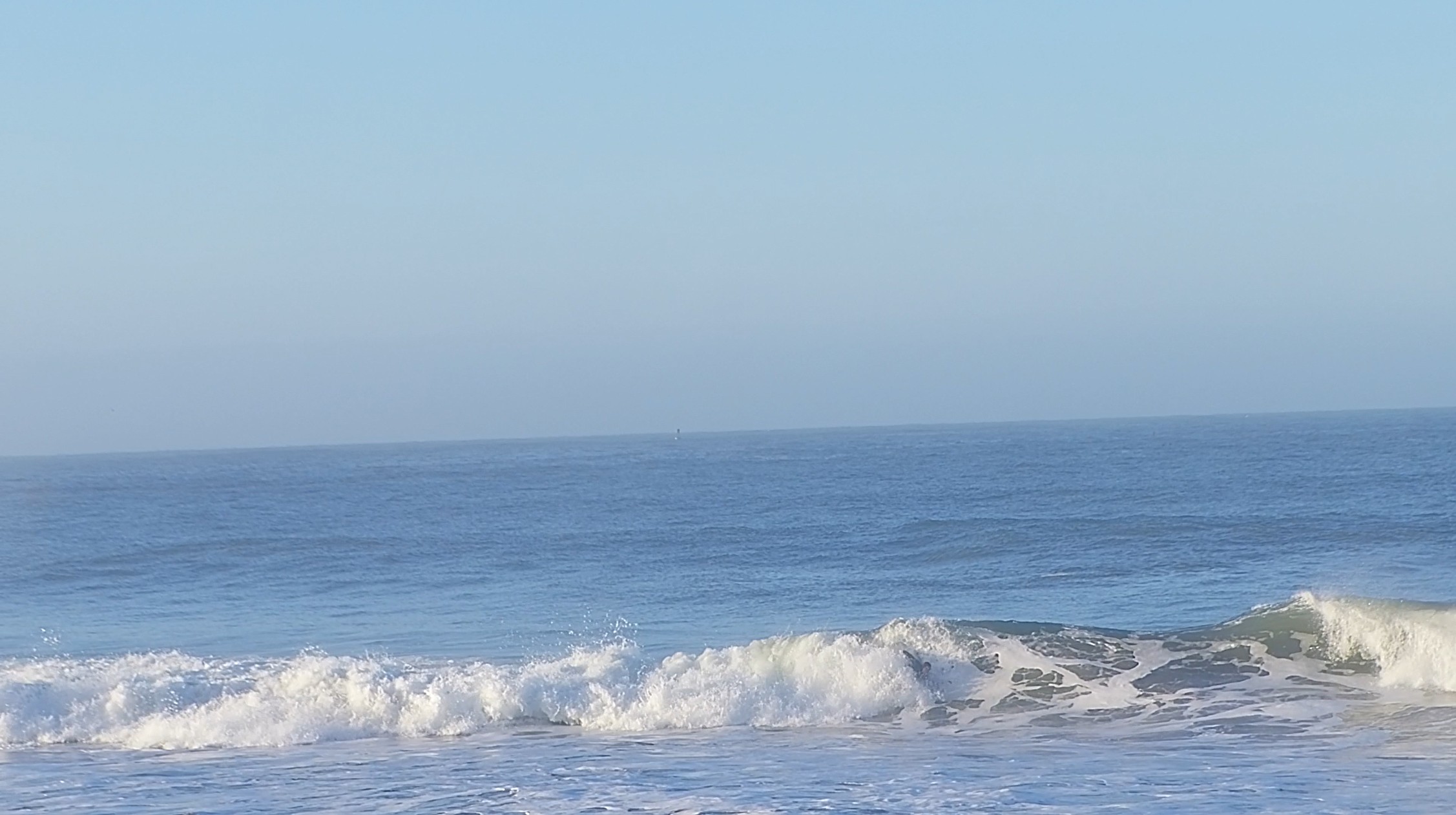
Round Three: Bodysurfing
This is my favorite part of the challenge.
Just me and some bodysurfing fins.
And suddenly I’m much more connected to each wave.
Bodysurfing forces you to get close to the wave.
You can't sit outside and wait for it to come to you.
You have to read it.
Position yourself.
Time it.
And commit.
There's something incredibly fun about that.
It strips surfing down to its simplest form:
You, the wave, and timing.
I typically will be a little more picky with my bodysurf waves because I love that feeling of riding the wave’s face down the line with just me connected to the wave. But every once in a while I take a closeout and just try and stay with the whitewater as far in as possible.
By this point, I'm definitely feeling the workout.
But I'm also having a blast.
Thirty minutes later:
10 more waves.
Thirty-three waves total.
And the funny thing?
I had started the session thinking the waves were mediocre.
But somewhere along the way, I'd completely stopped caring.
I was having too much fun.
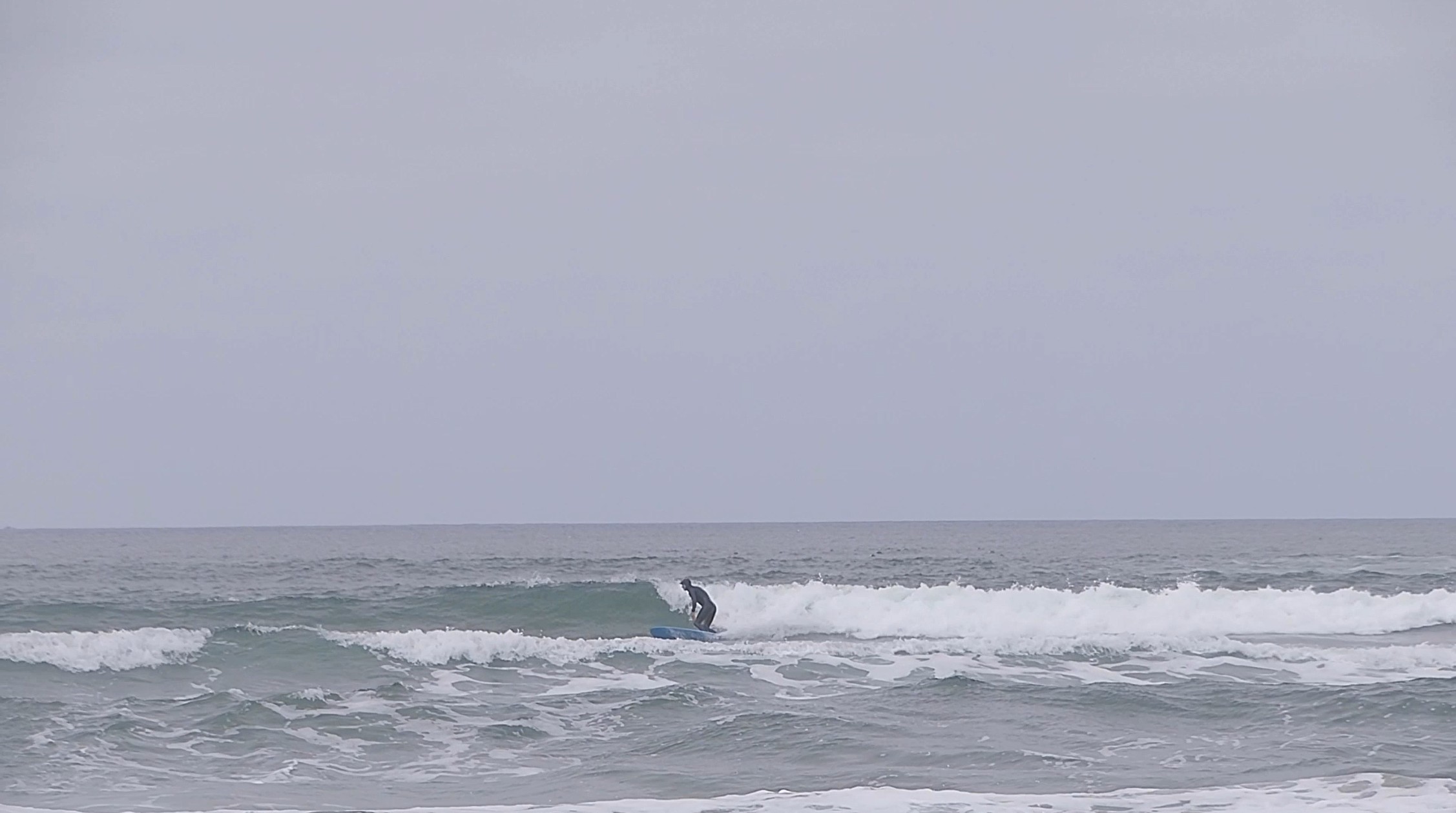
And I caught some really fun ones along the way.
That's Why I Keep Coming Back to This Challenge
The waves didn't get better.
I changed the way I approached them.
That's an important distinction.
When conditions are poor, it's easy to become a passive surfer.
You sit.
You wait.
You judge the waves.
You wait some more.
You catch one.
Then you sit again.
And afterward you say:
"Yeah, it was crap."
This challenge changes that.
Give yourself a measurable objective and suddenly the entire session changes.
Now you're engaged.
You're watching the ocean.
You're anticipating.
You're moving.
You're paddling.
You're catching waves.
And you're paying attention to how you're doing it.
The waves become the playing field rather than the entertainment.
That's why I've kept this challenge in my back pocket for years.
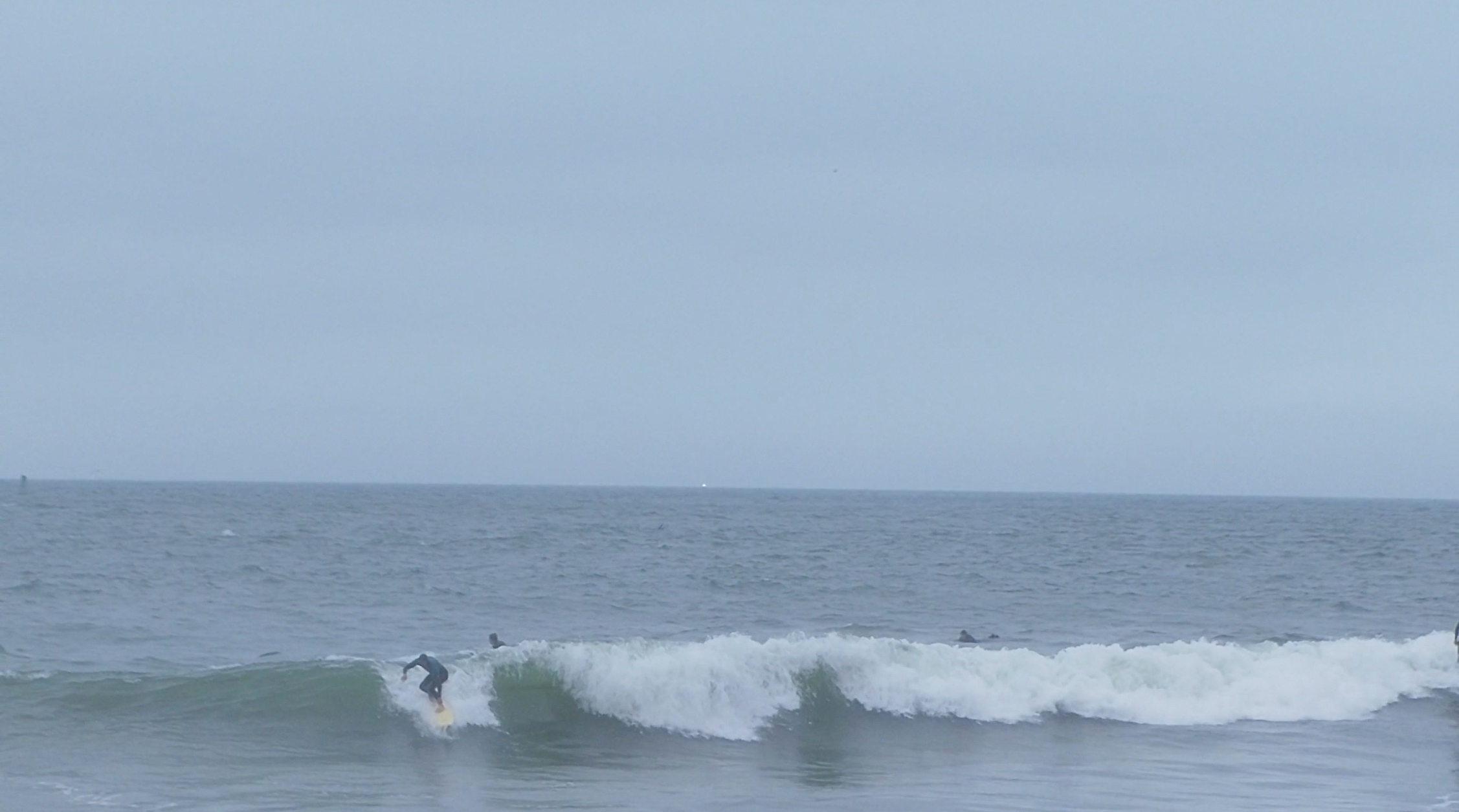
Whenever the surf is less than inspiring, I can turn the session into something completely different.
The Coaching Part
This is also why I like the challenge from a paddling perspective.
You're learning to manage effort while maintaining technique.
As the session progresses, your heart rate rises.
That's inevitable.
But the goal isn't to paddle harder and harder until you fall apart.
The goal is to see how efficiently you can keep moving.
Can you maintain a good body position?
Can you keep your stroke connected?
Can you avoid unnecessary movement?
Can you stay relaxed through your shoulders?
Can you breathe?
And when you start getting tired, can you resist the temptation to simply throw more effort at the water?
Technique becomes even more important when you're fatigued.
That's one of the reasons I like putting this challenge on a less-than-perfect surf day.
You're not distracted by the quality of the waves.
You're focused on what you are doing.
The 10-Wave Benchmark
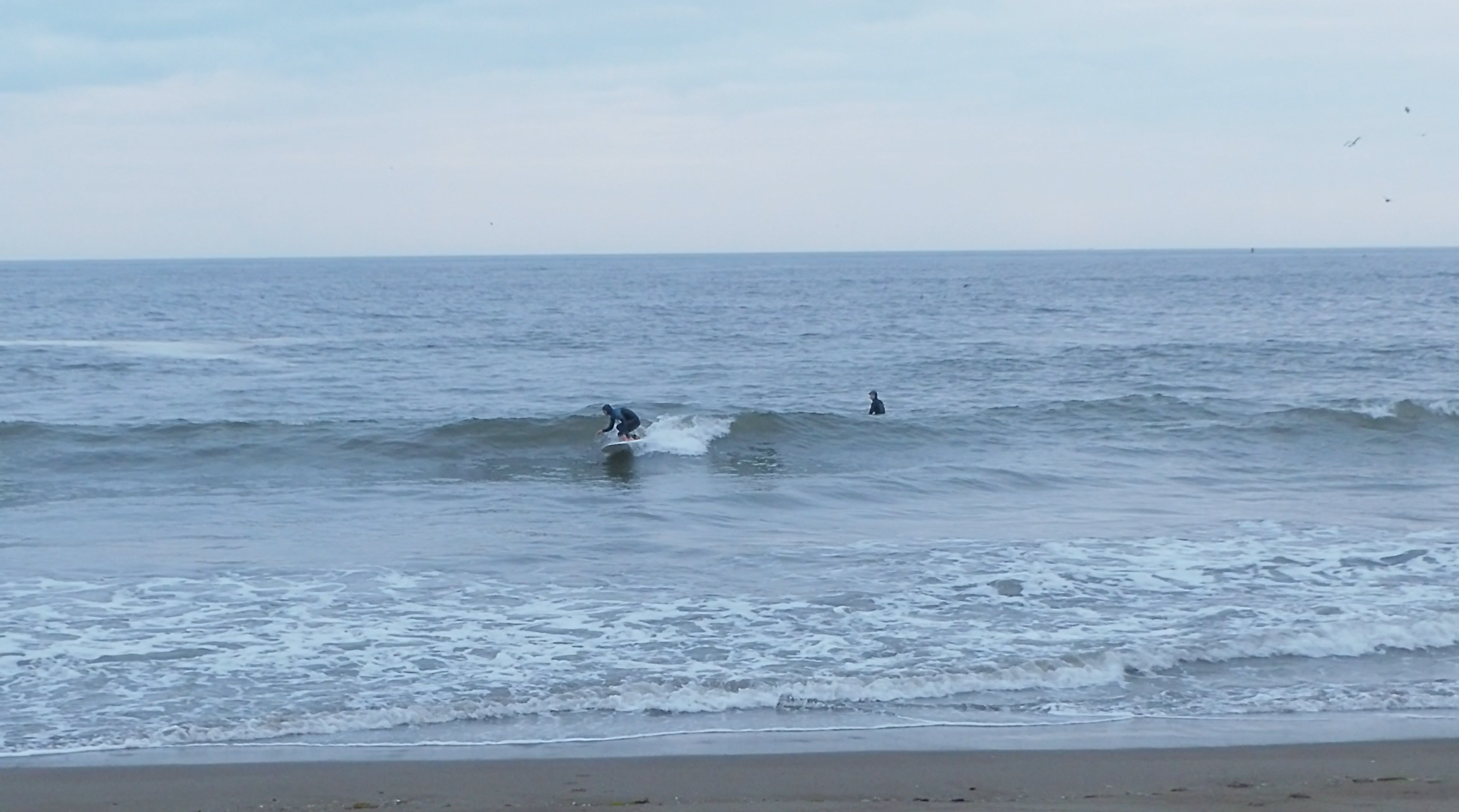
My benchmark is simple:
10 waves in 30 minutes.
That's not a universal standard.
It's simply mine.
For this particular session, I ended up with:
12 waves — 6'8" Z Twin
11 waves — 5'8" Dryv Thin Mint Twin
10 waves — bodysurfing
33 waves in 90 minutes.
And I didn't feel like I was grinding through a workout.
I had fun.
That's probably the biggest takeaway.
Turn a Bad Surf Day Into a Game
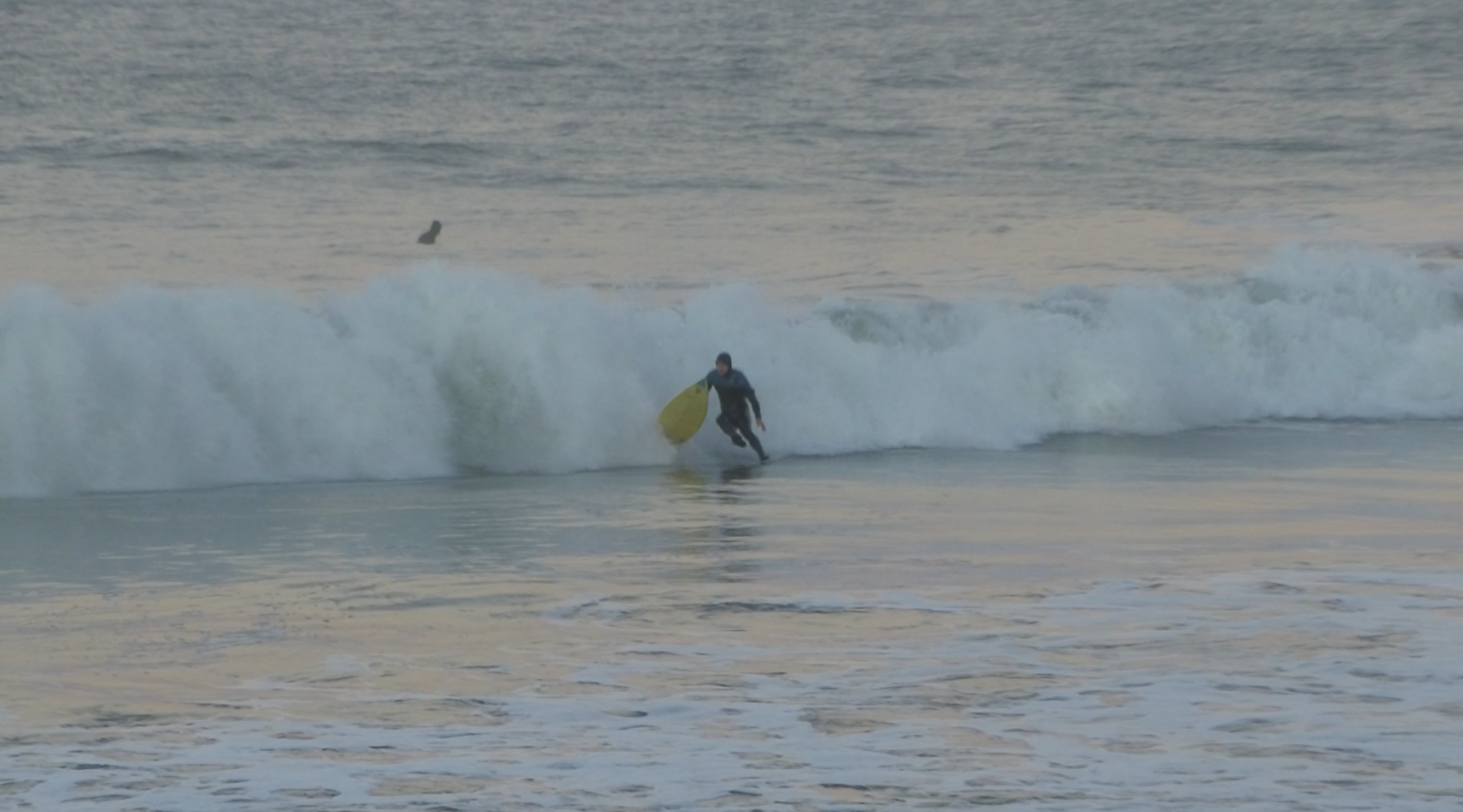
The next time you pull up to the beach and the conditions look uninspiring, try changing the question.
Don't ask:
"Are the waves good enough to surf?"
Ask:
"What can I do with what's here?"
Grab a longer board.
Grab a shorter board.
Bring your bodysurf fins.
Set the timer.
30 minutes. 10 waves.
Come in.
Light jog.
Switch.
Light jog.
Back in.
30 minutes. 10 waves.
Come in.
Light jog.
Switch to fins.
Light jog.
Back in.
30 minutes. 10 waves.
Come in.
Light jog.
End.
Is it a failure if you don’t catch 10 waves every 30 minutes?
Absolutely not. If you catch 5, 4, and 5, try again another day and see if you can beat your own record.
Just remember the rules:
Don't stop moving.
Focus on your paddling, your technique.
Focus on your breathing.
Catch waves.
Have fun.
You might discover what I did on this particular session:
The waves you thought weren't worth surfing might actually have a few surprises hiding in them.
I caught several waves that were genuinely fun - waves that I probably would have overlooked if I'd been sitting there waiting for something better.
Sometimes you don't need better waves.
You just need a better reason to go surfing.
So the next time the forecast looks terrible, go anyway.
Set the timer.
Play the game.
See what happens.
Because a lackluster surf day can still turn into a 33-wave day.
Or at the very least, a good workout with technique practice.
Let me know how it goes...
Get Free Training, Quick Tips, News and Updates with the monthly newsletter!
Join our mailing list to receive the latest news and updates. Your information will not be shared.
