
103 Waves Later…In Scotland
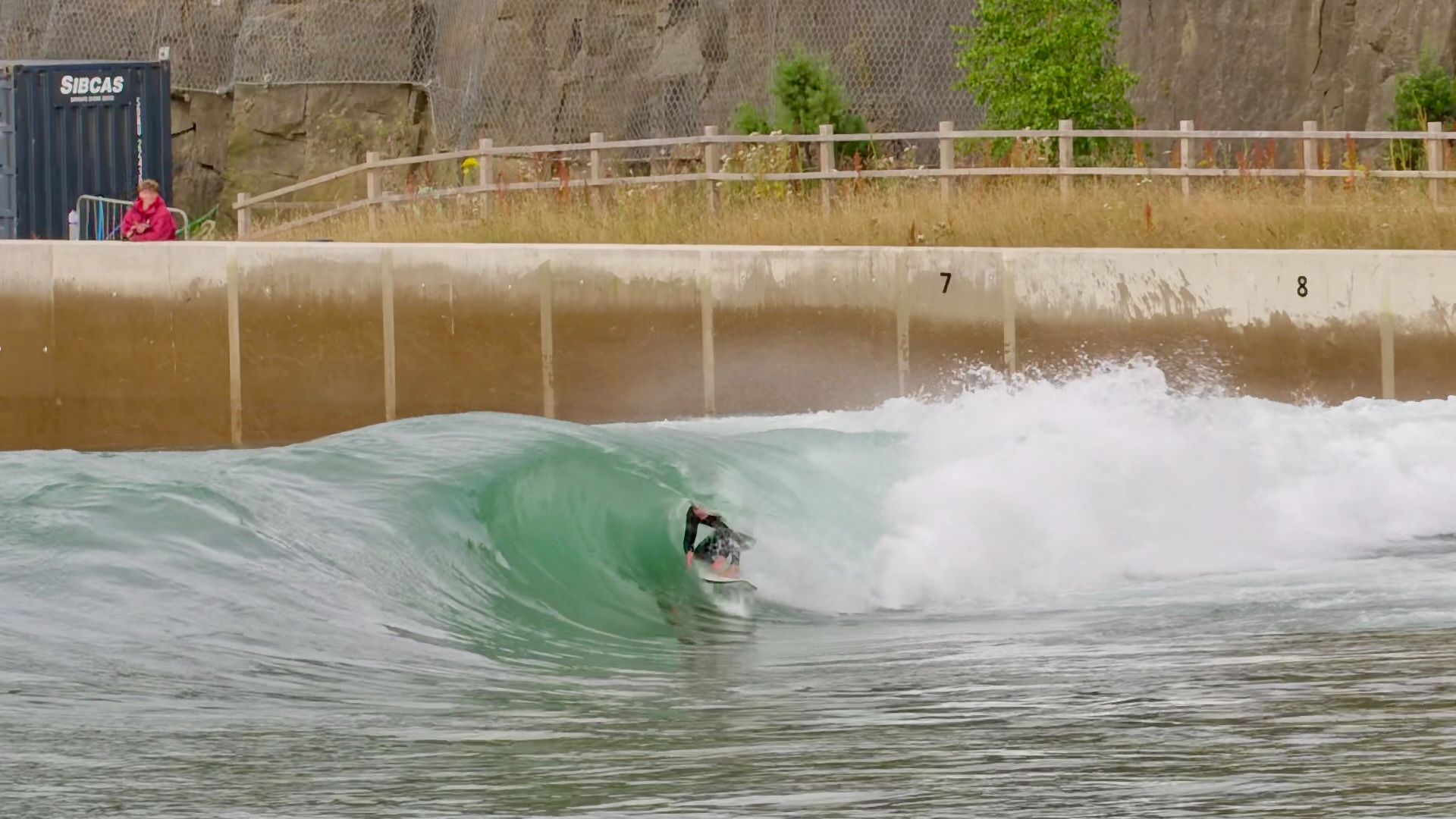
My family heard me say, “the adventure doesn’t begin until something goes wrong” about a hundred times these past three weeks. And our adventure began before we even left the house with a message from our first lodging host saying they had to cancel on us.
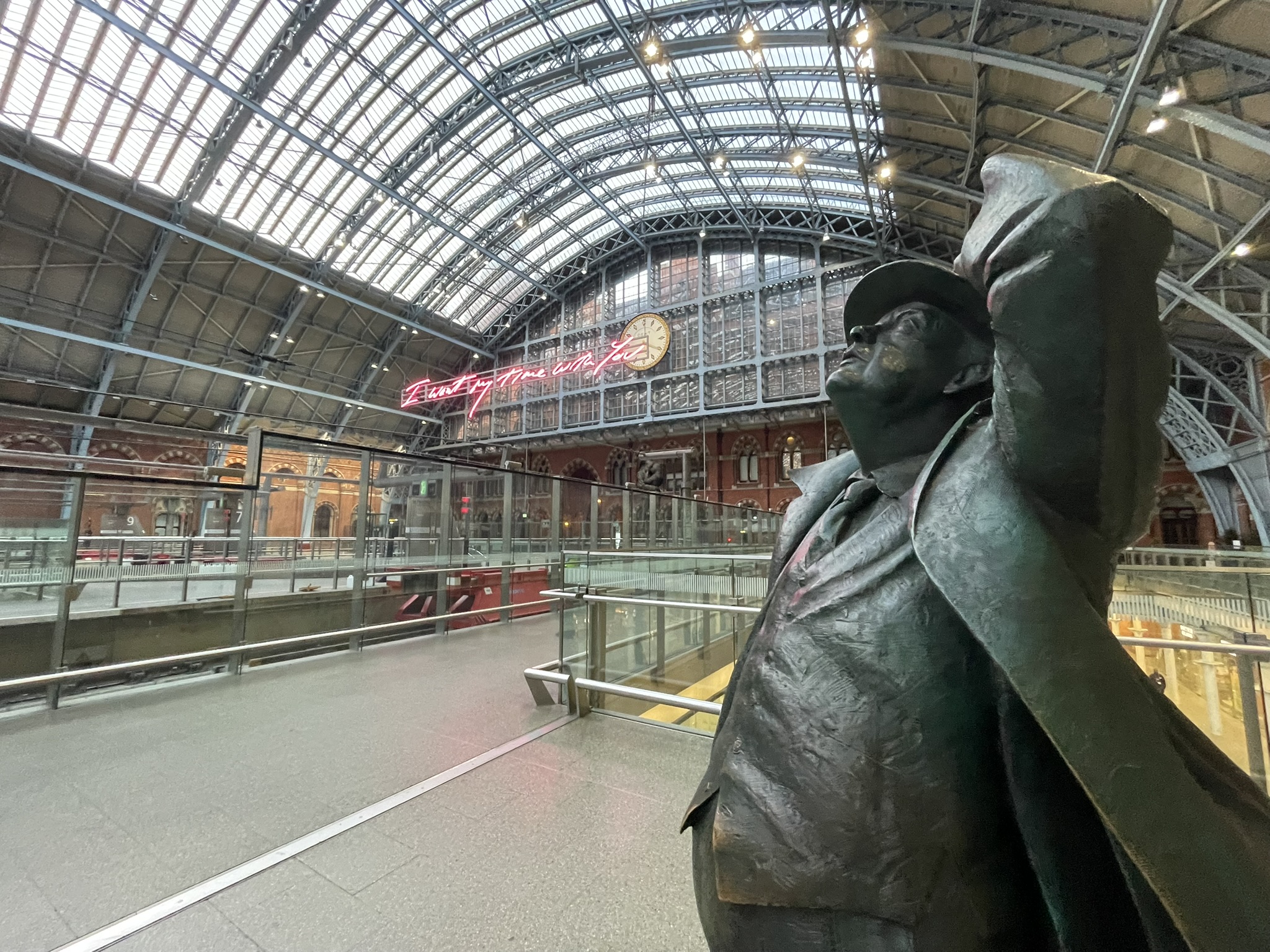
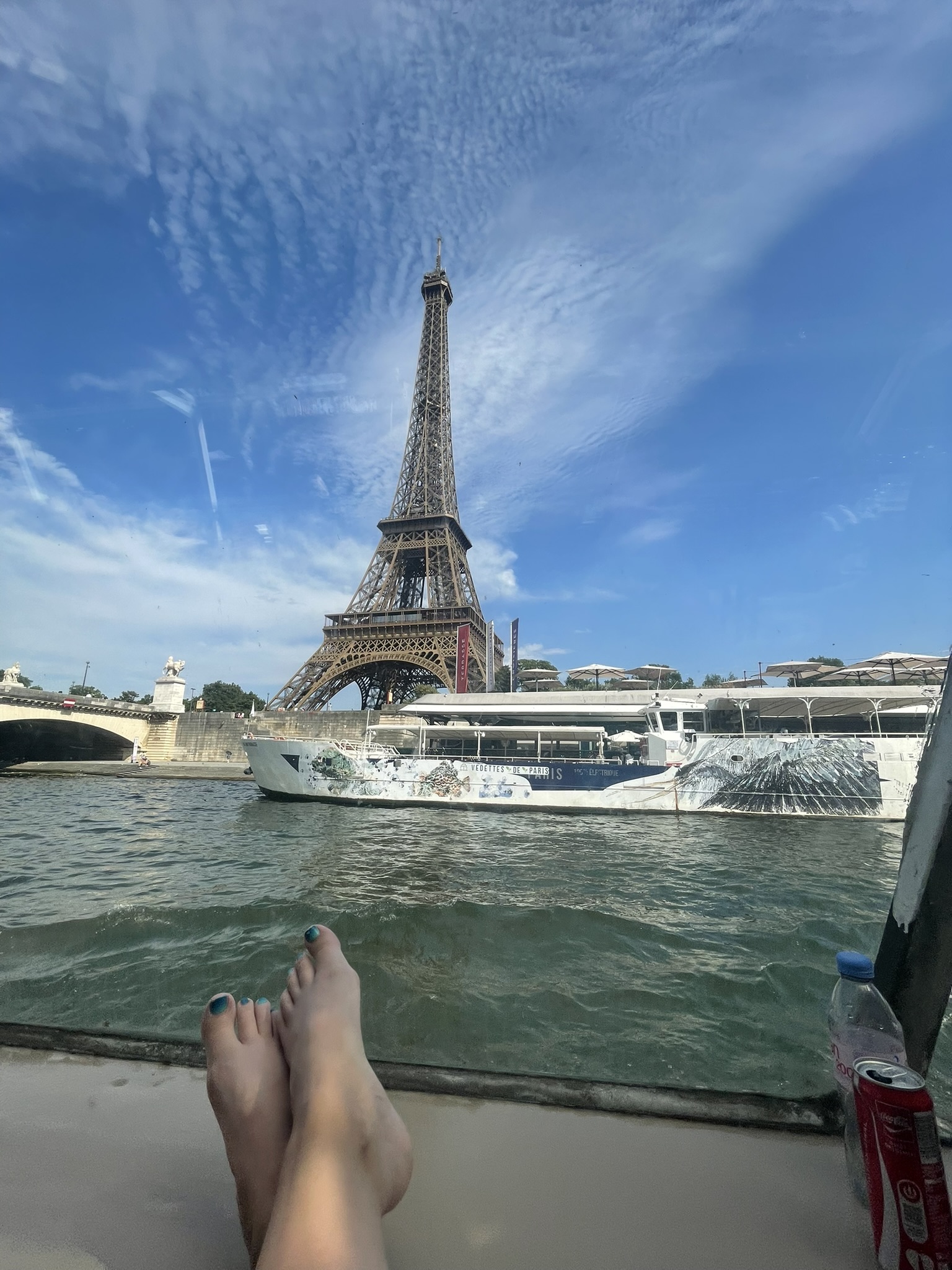
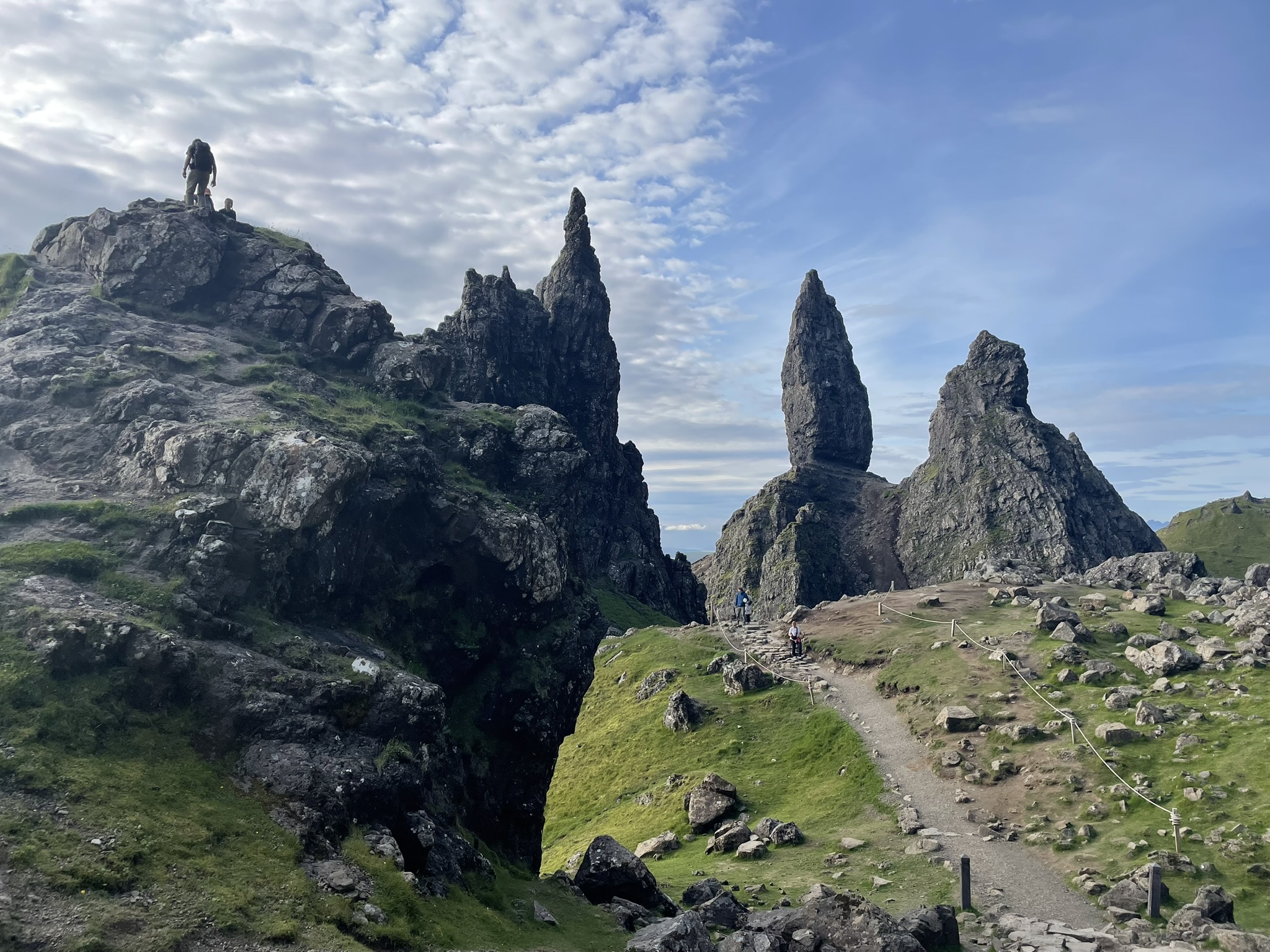
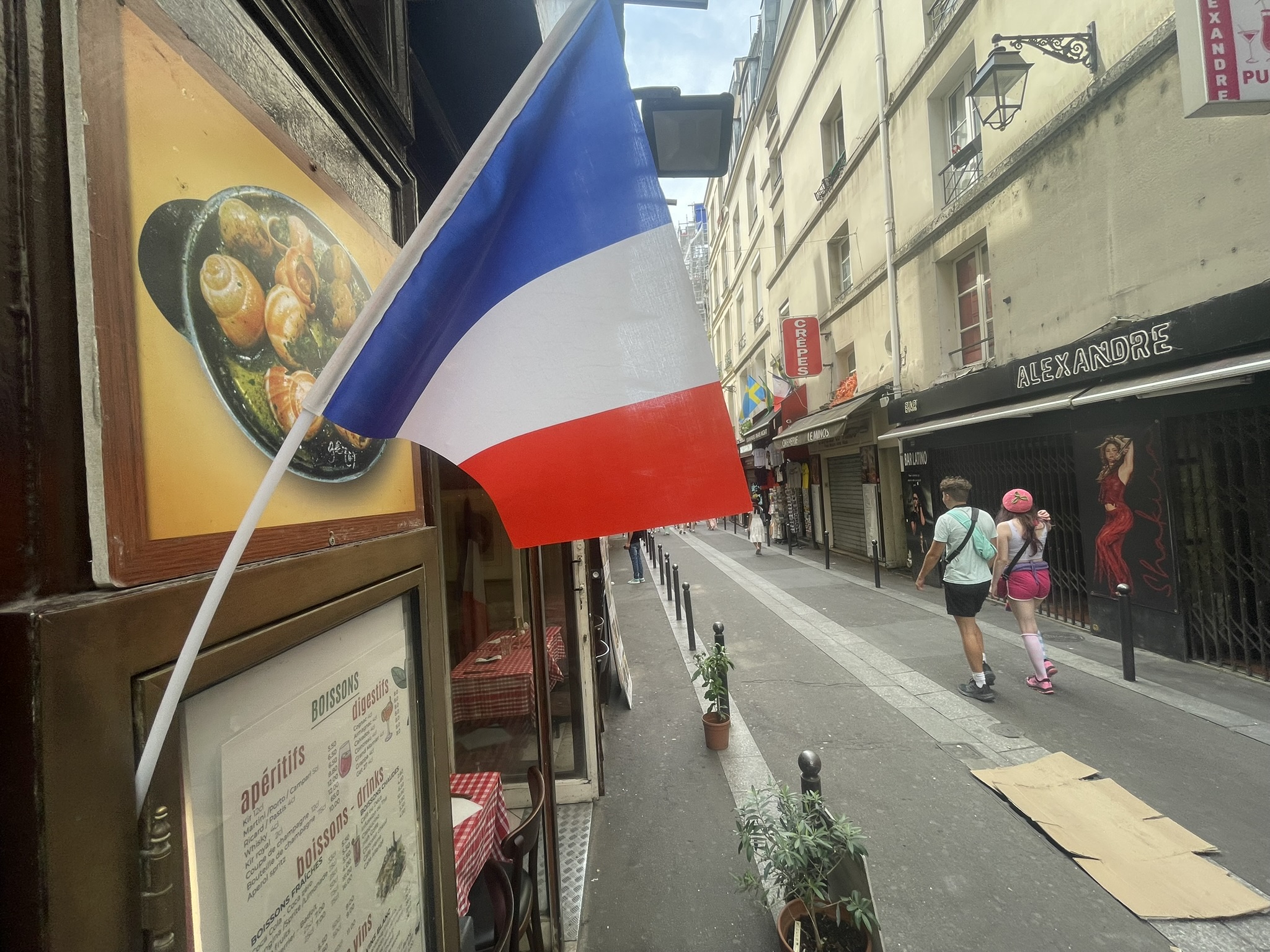
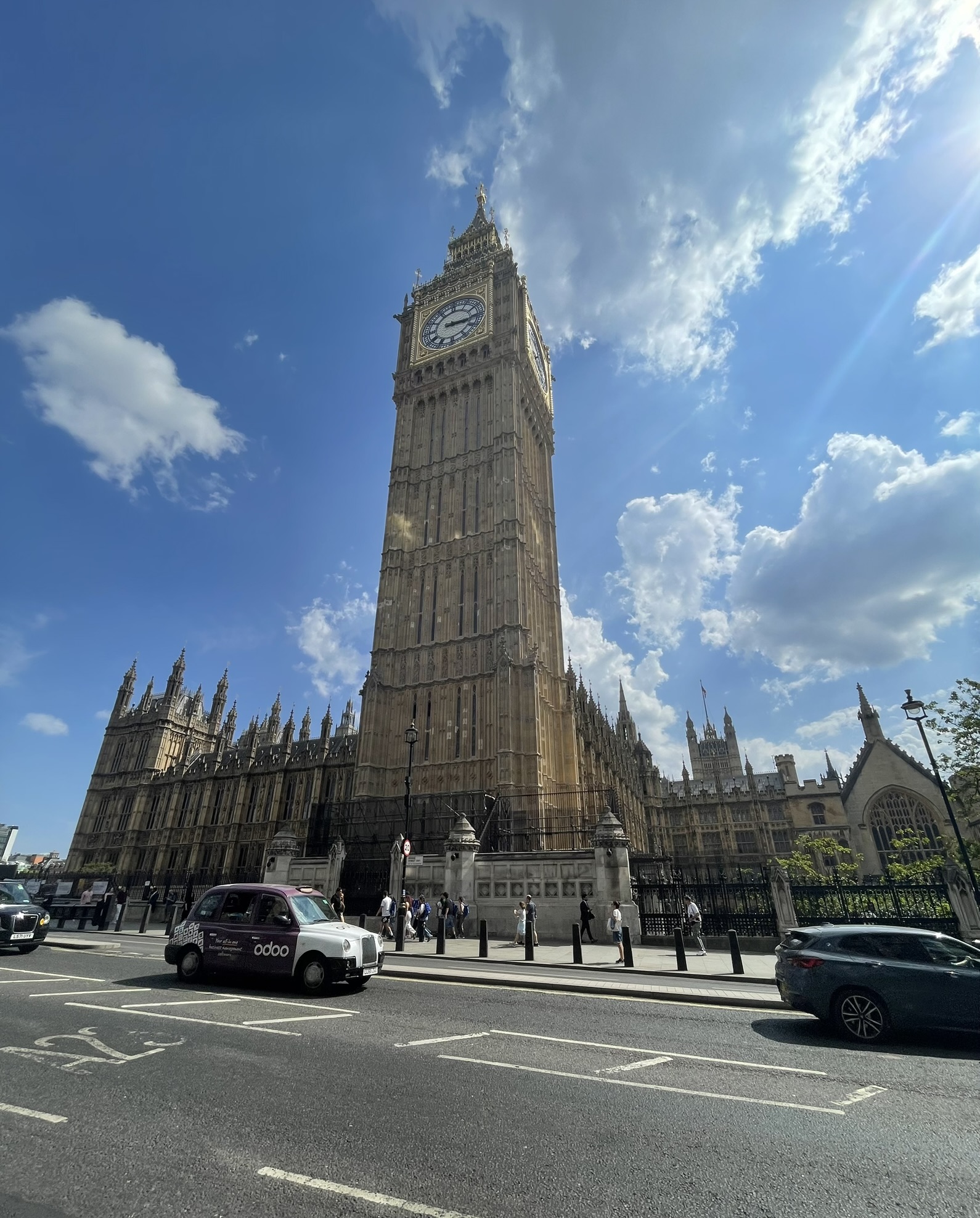
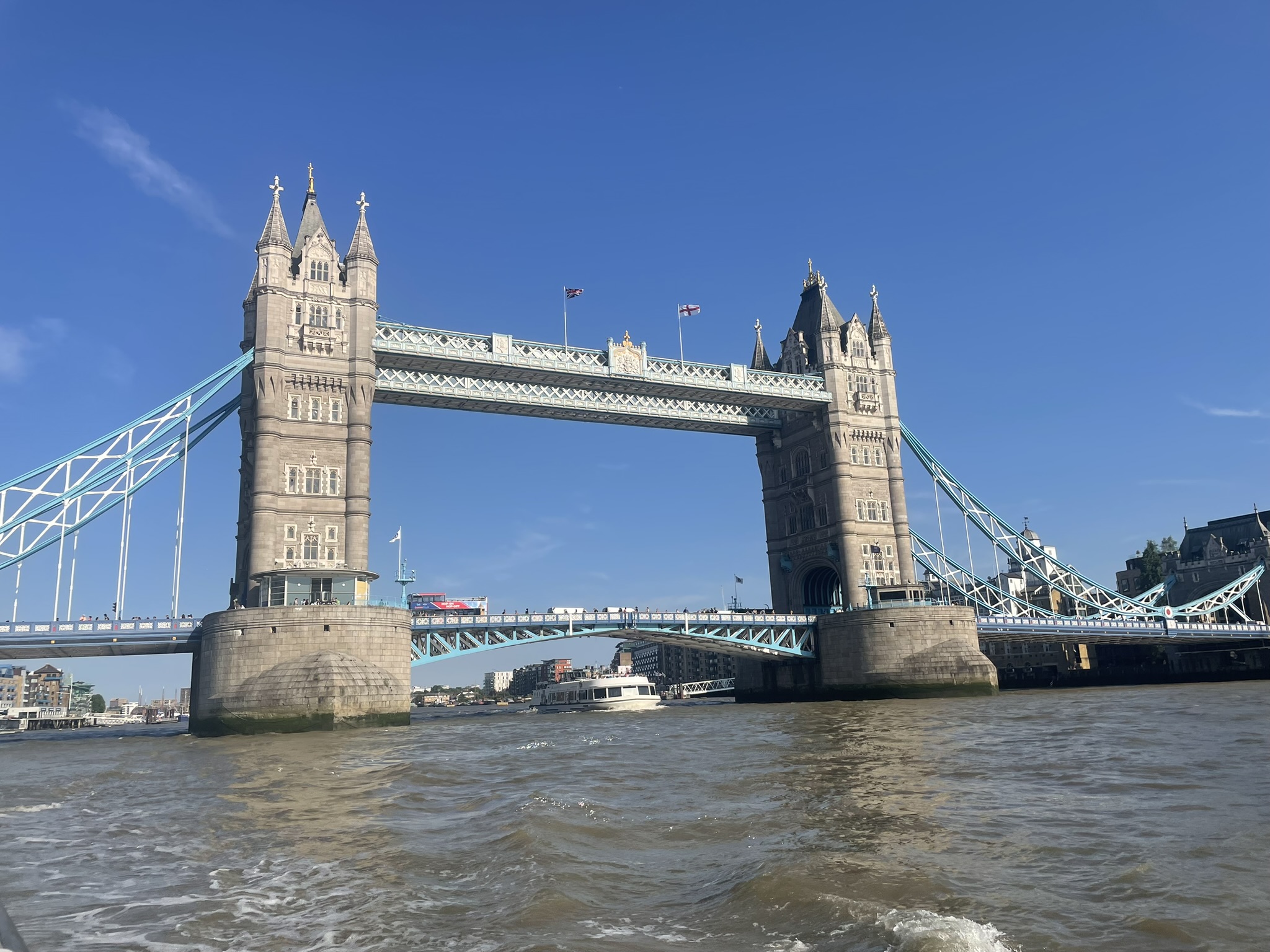
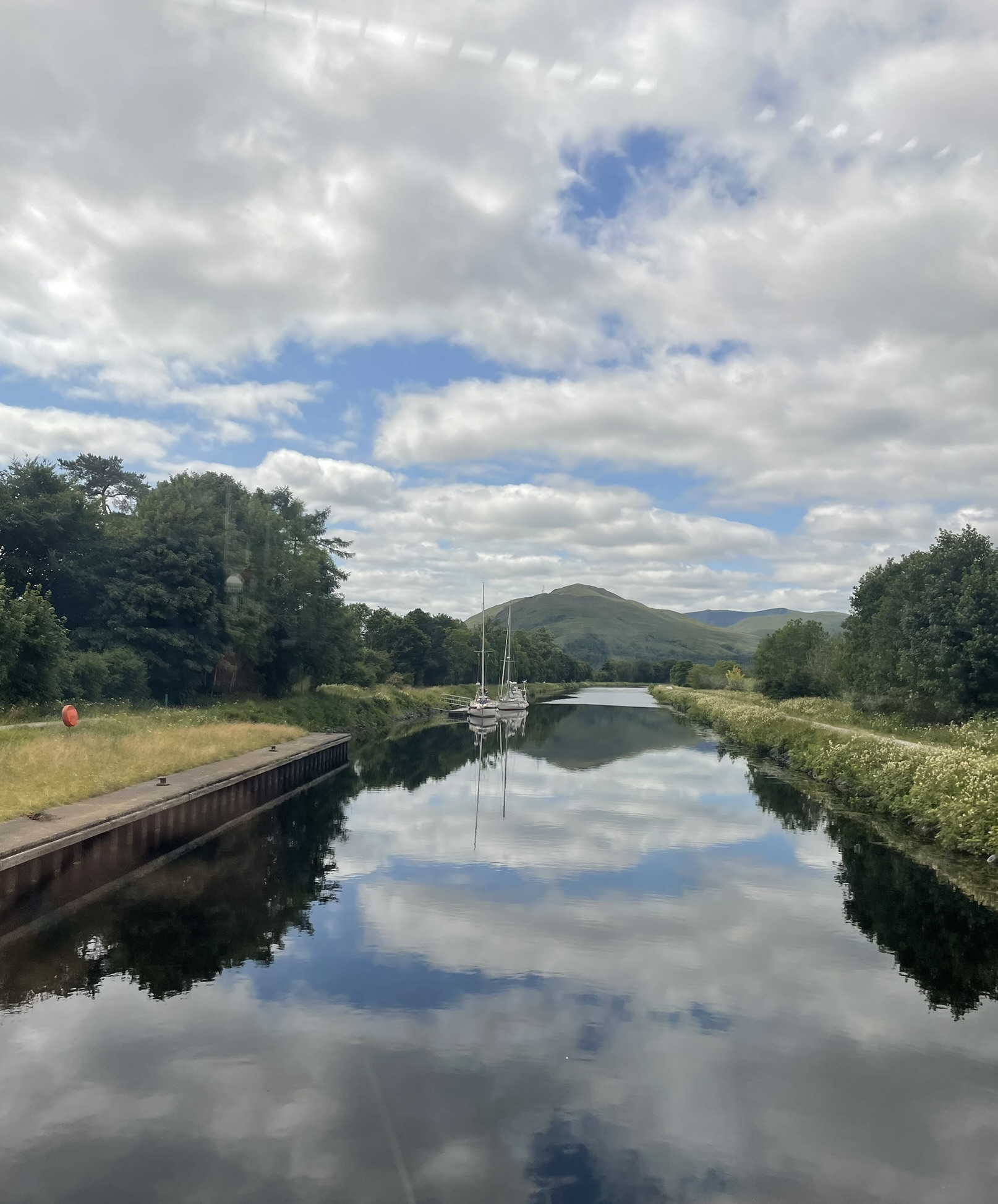
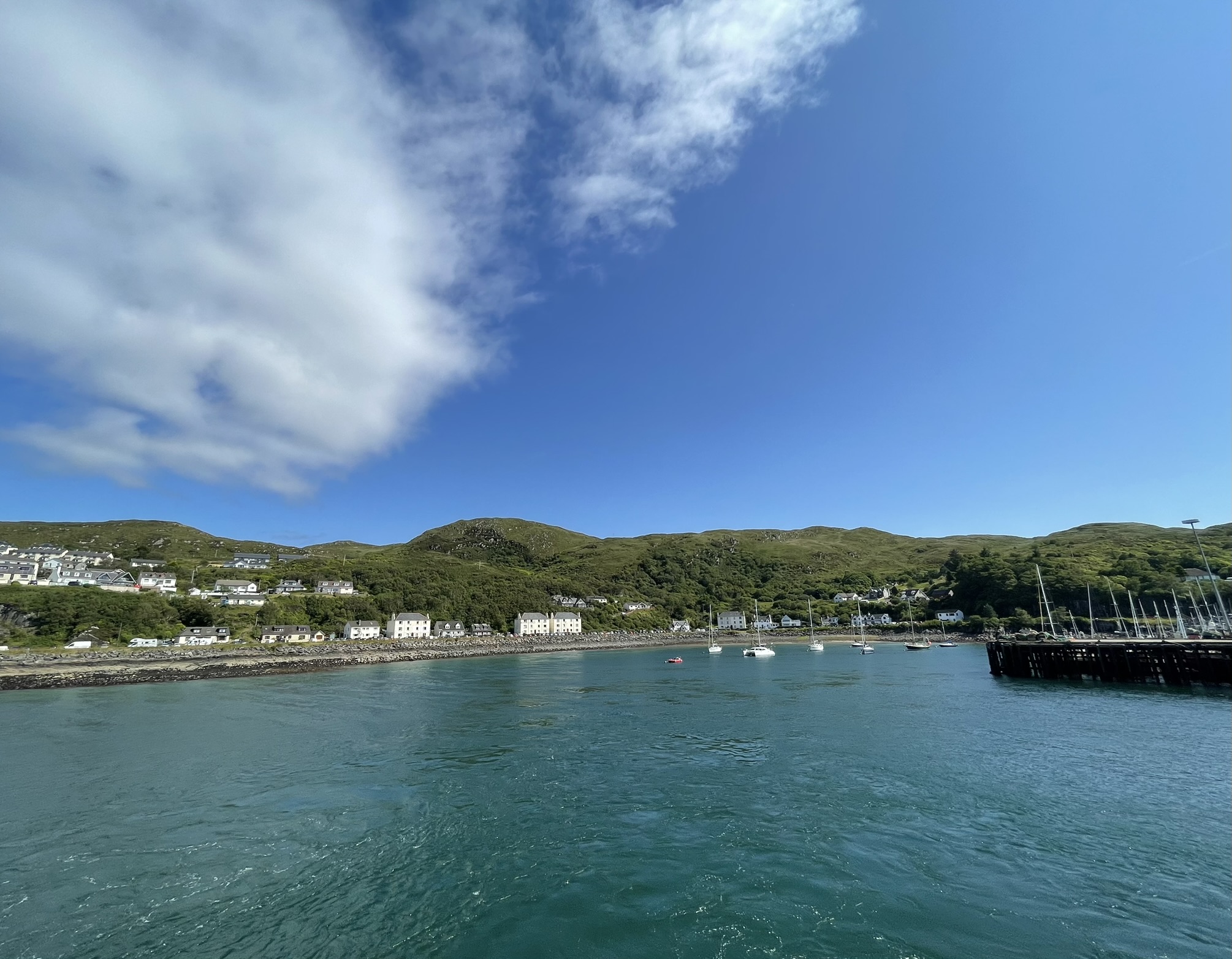
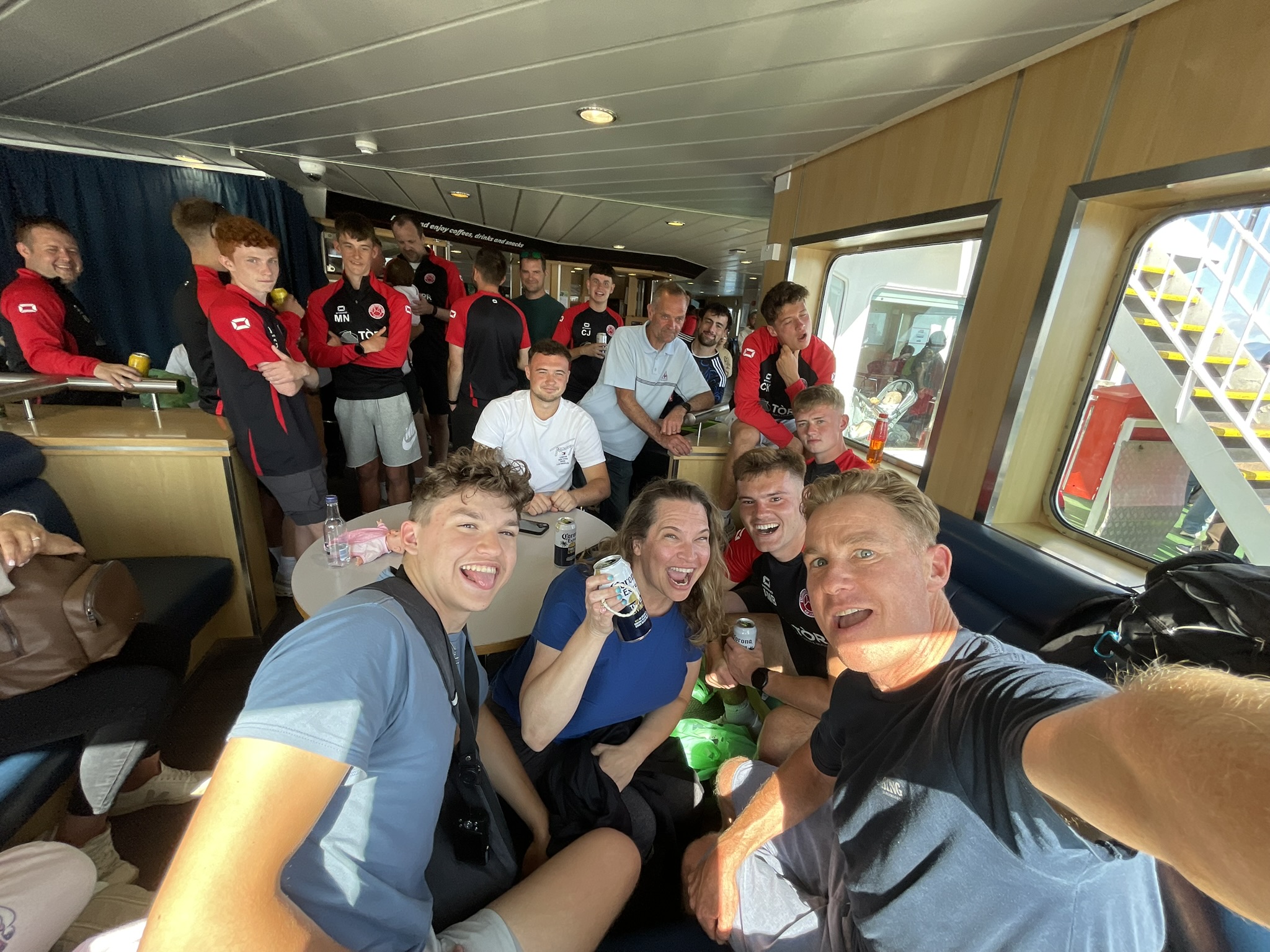
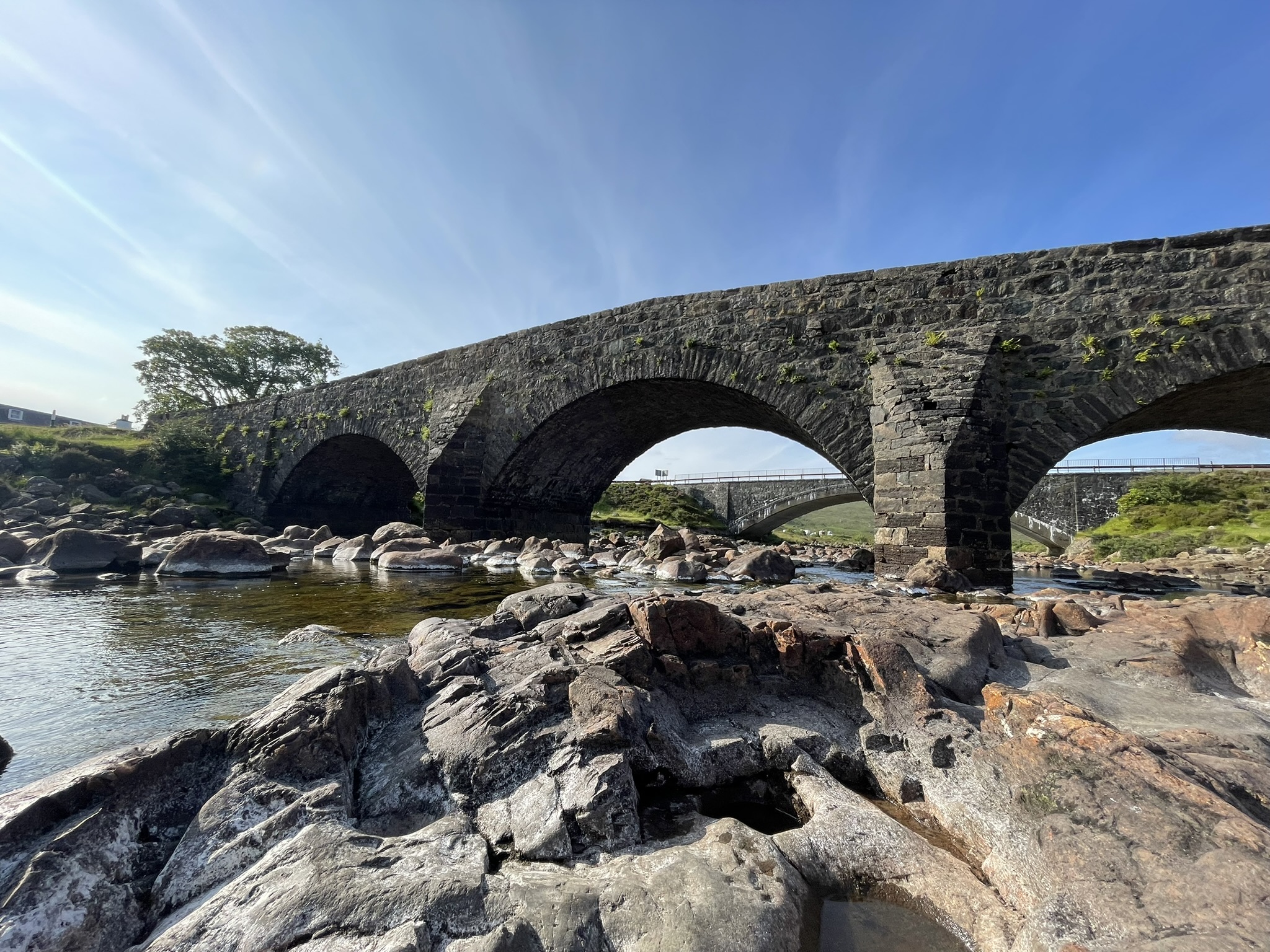
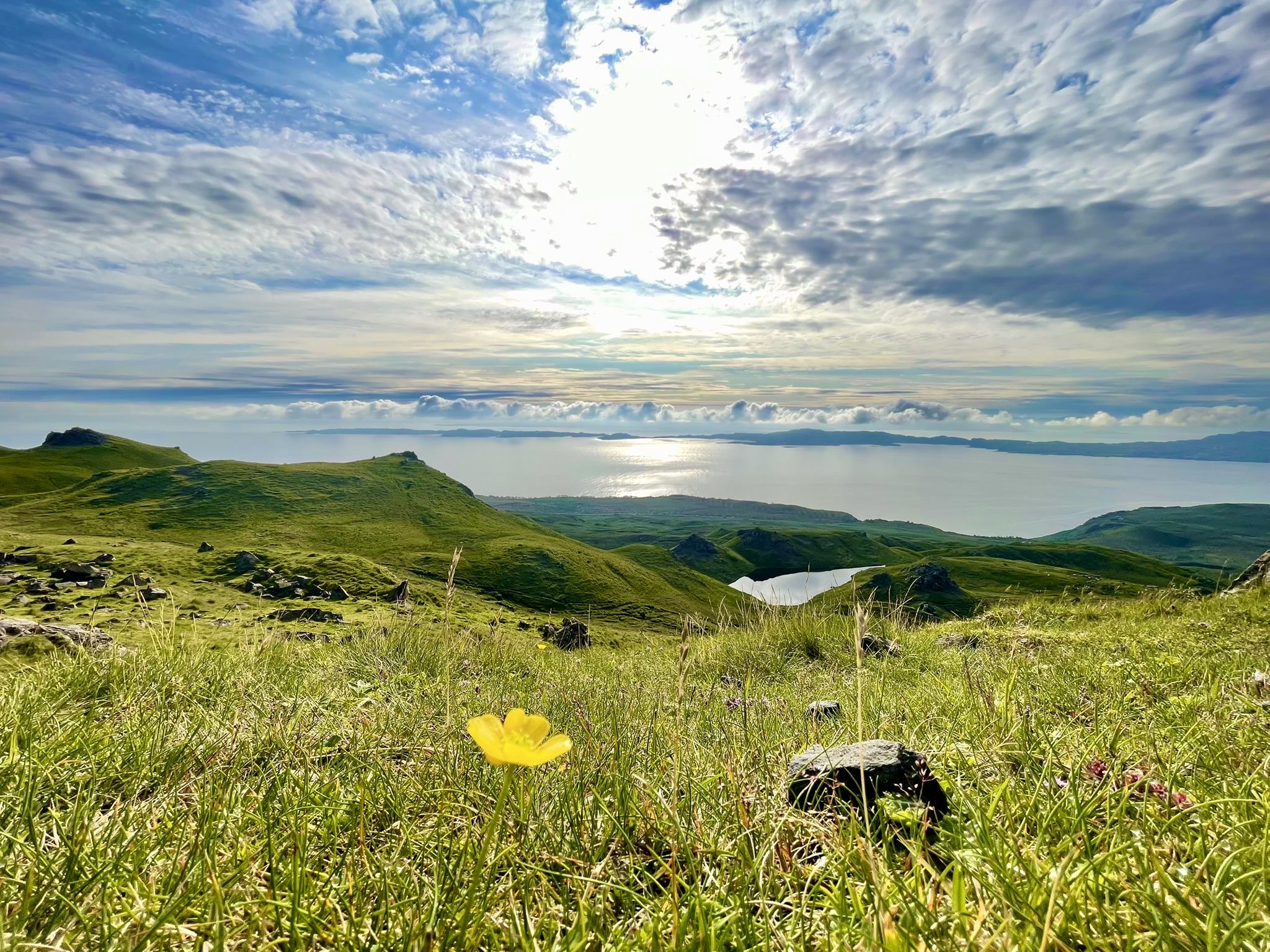
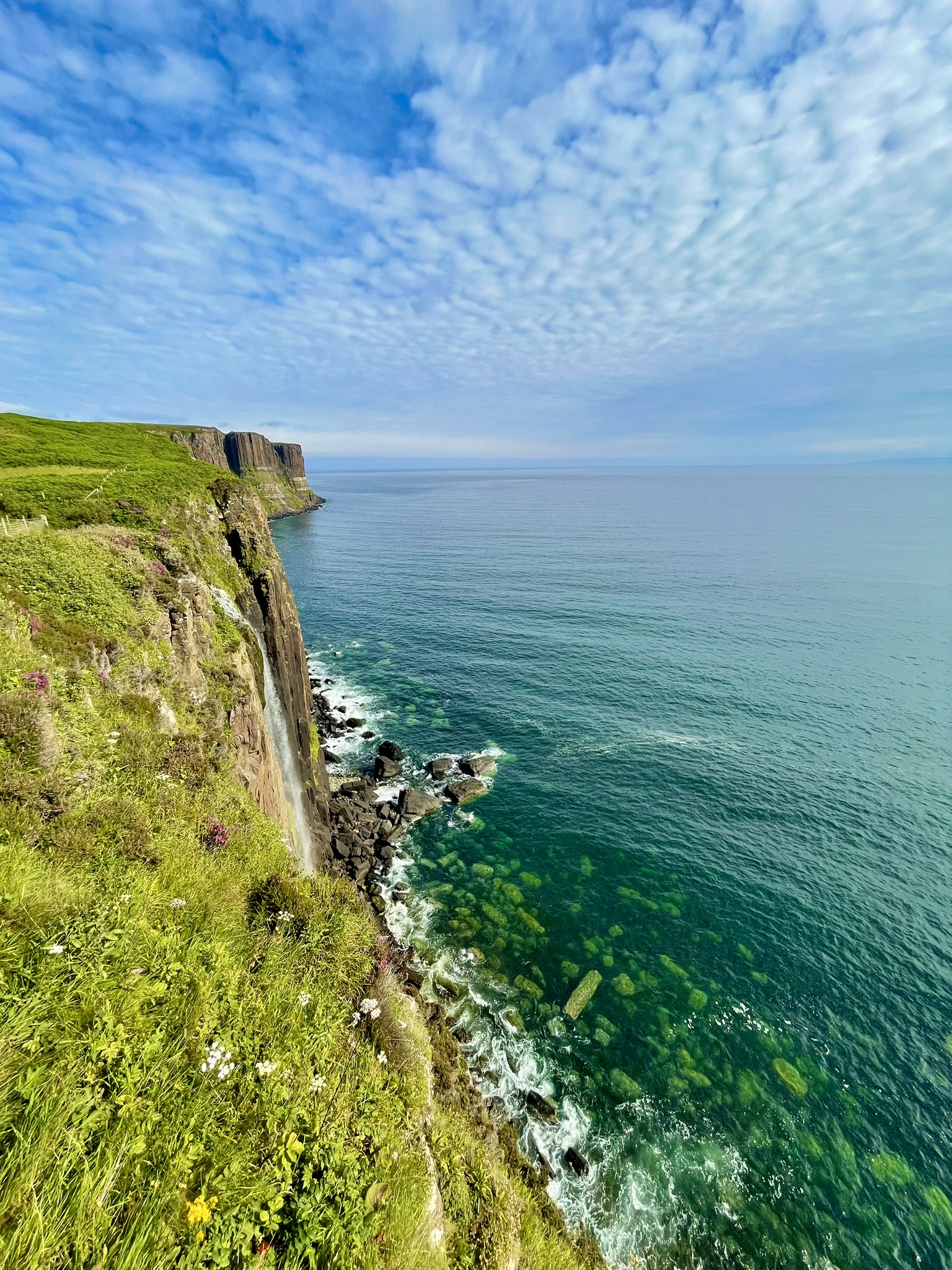
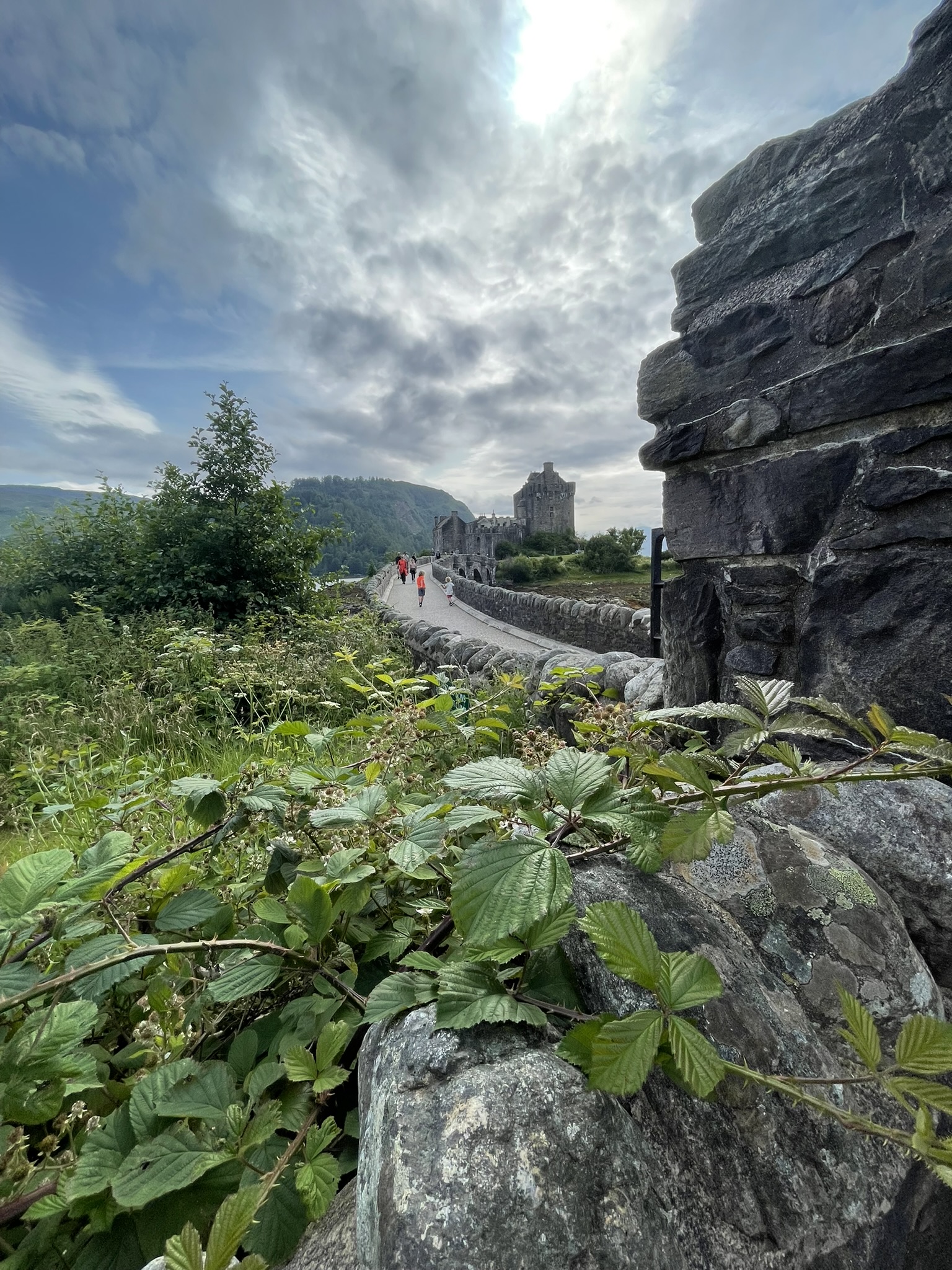
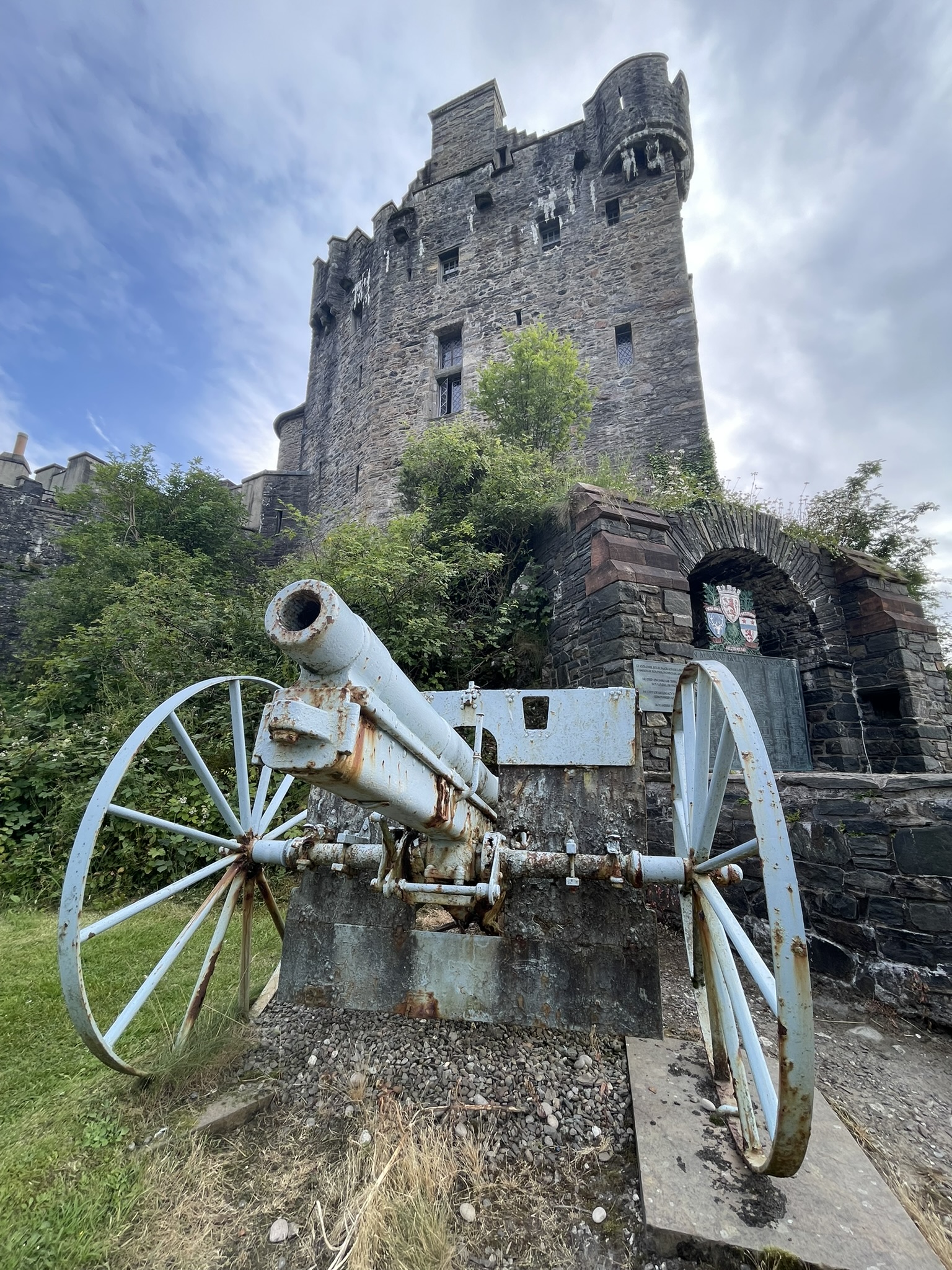
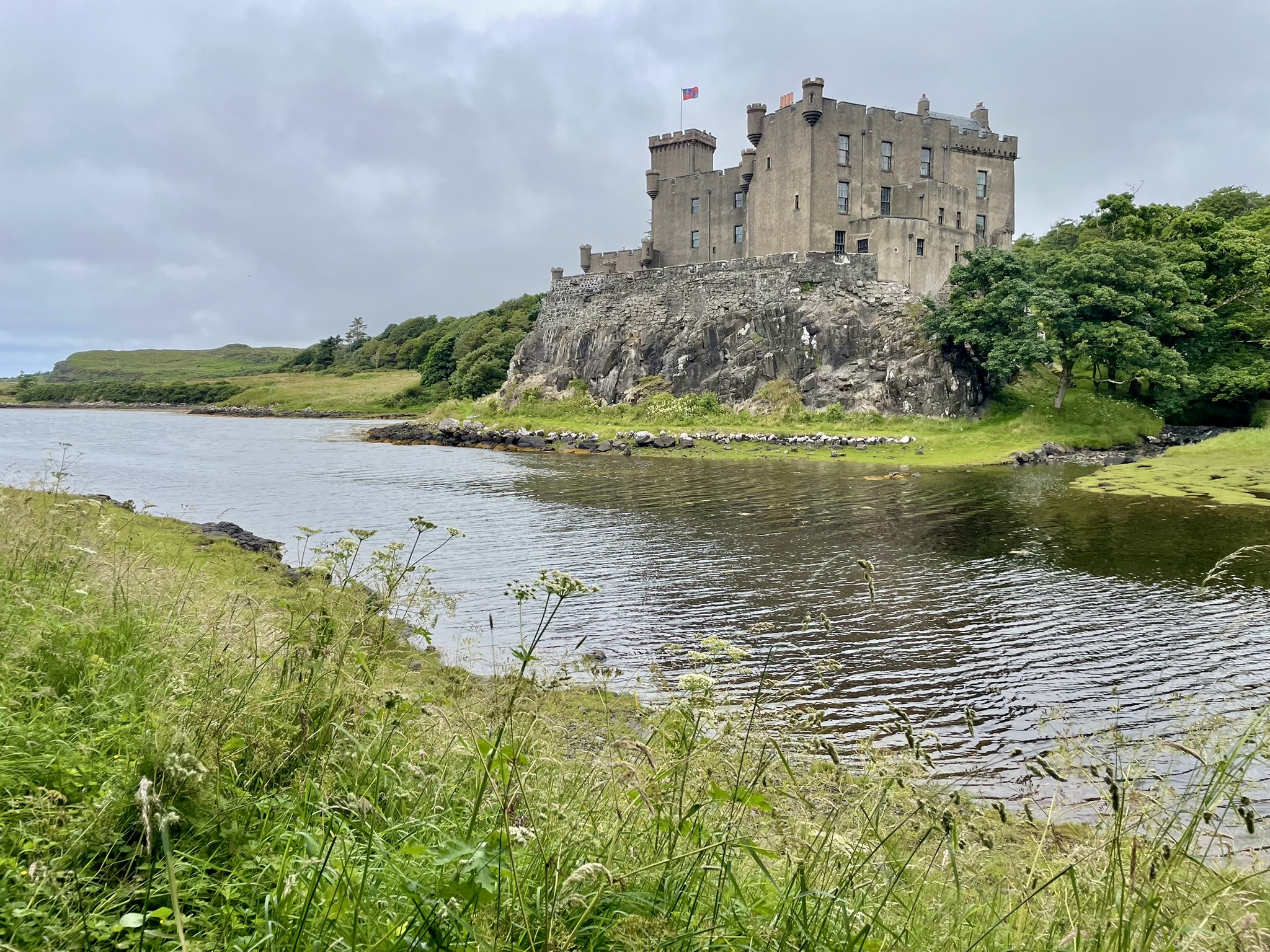
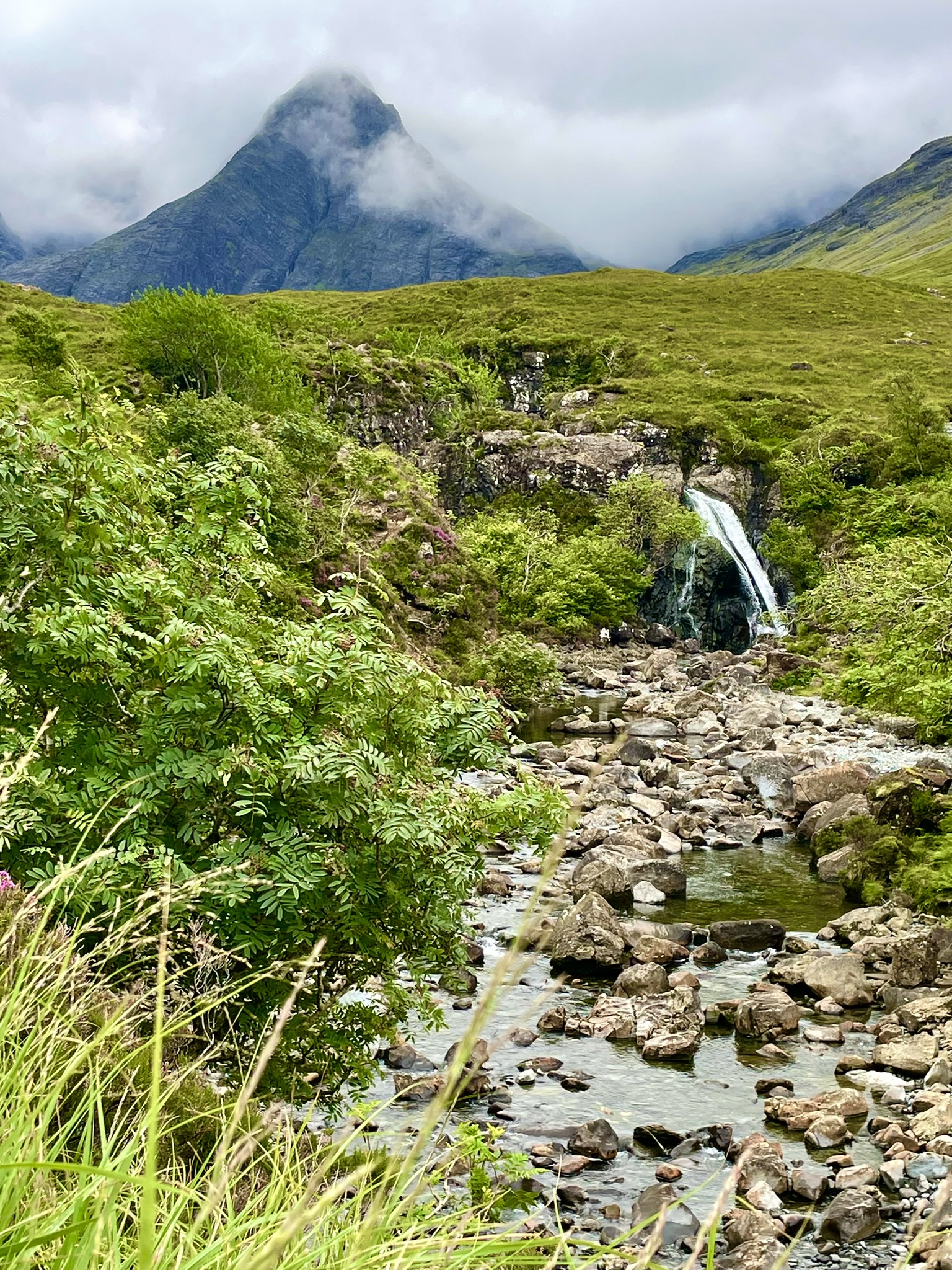
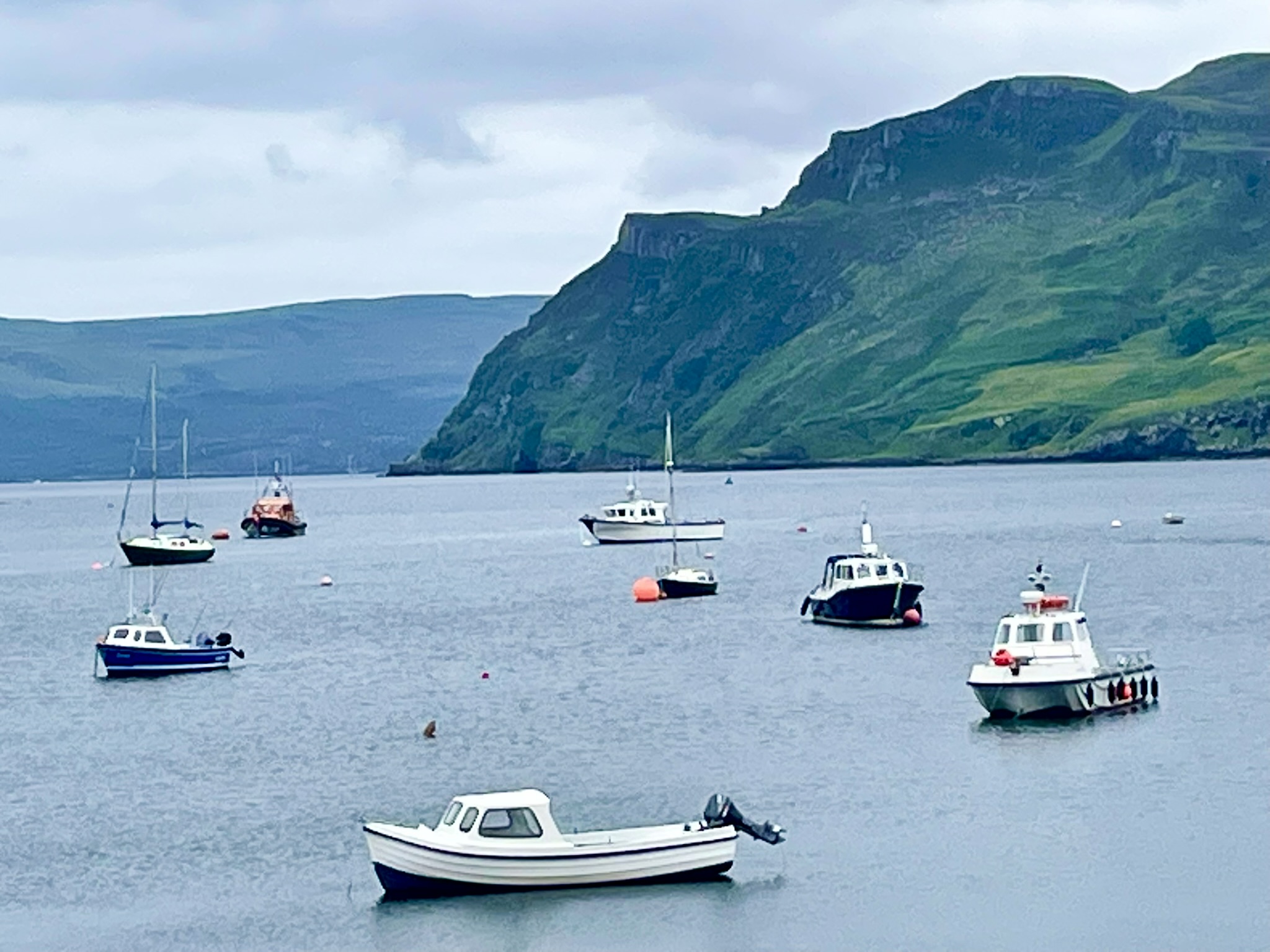
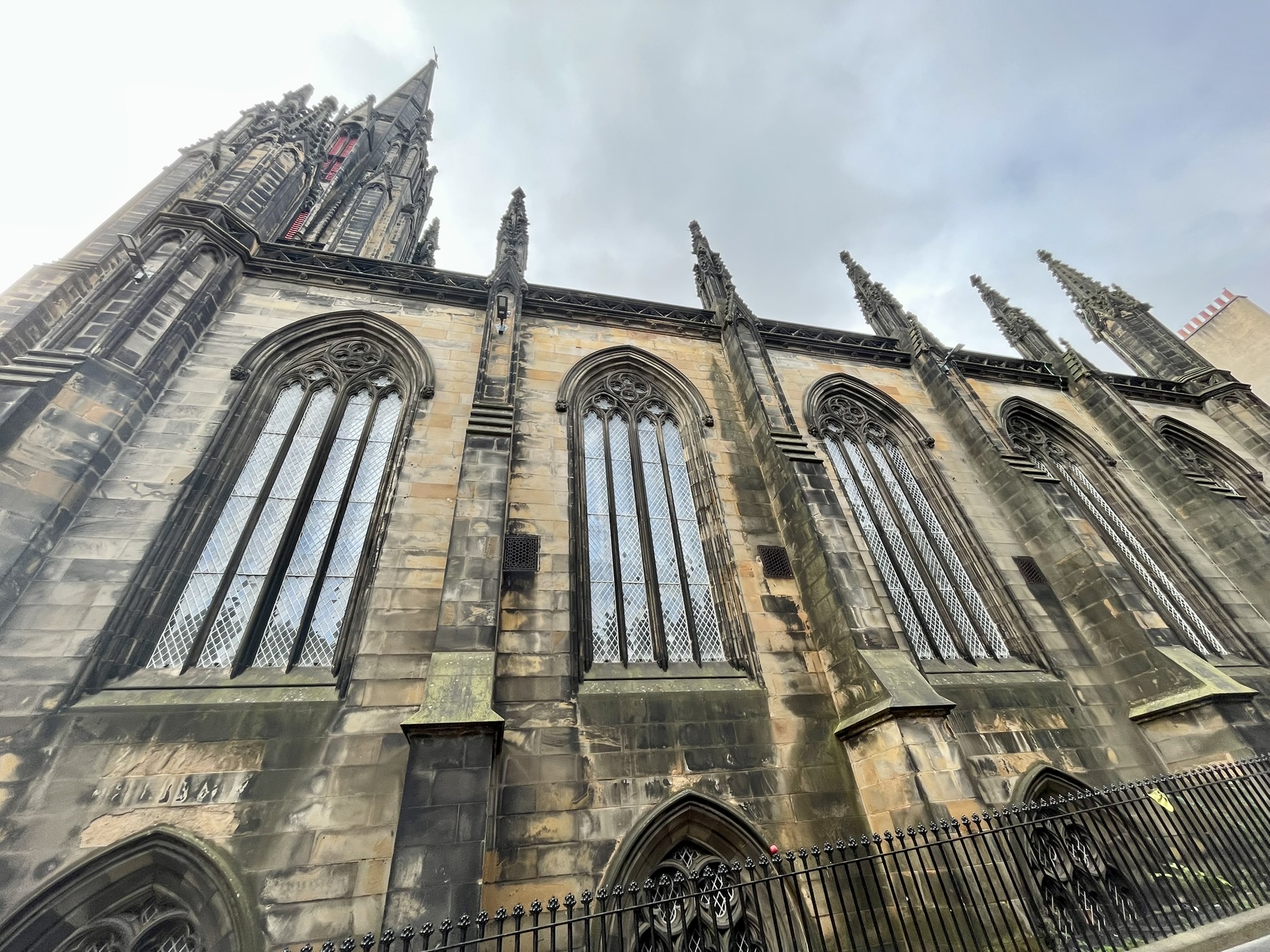
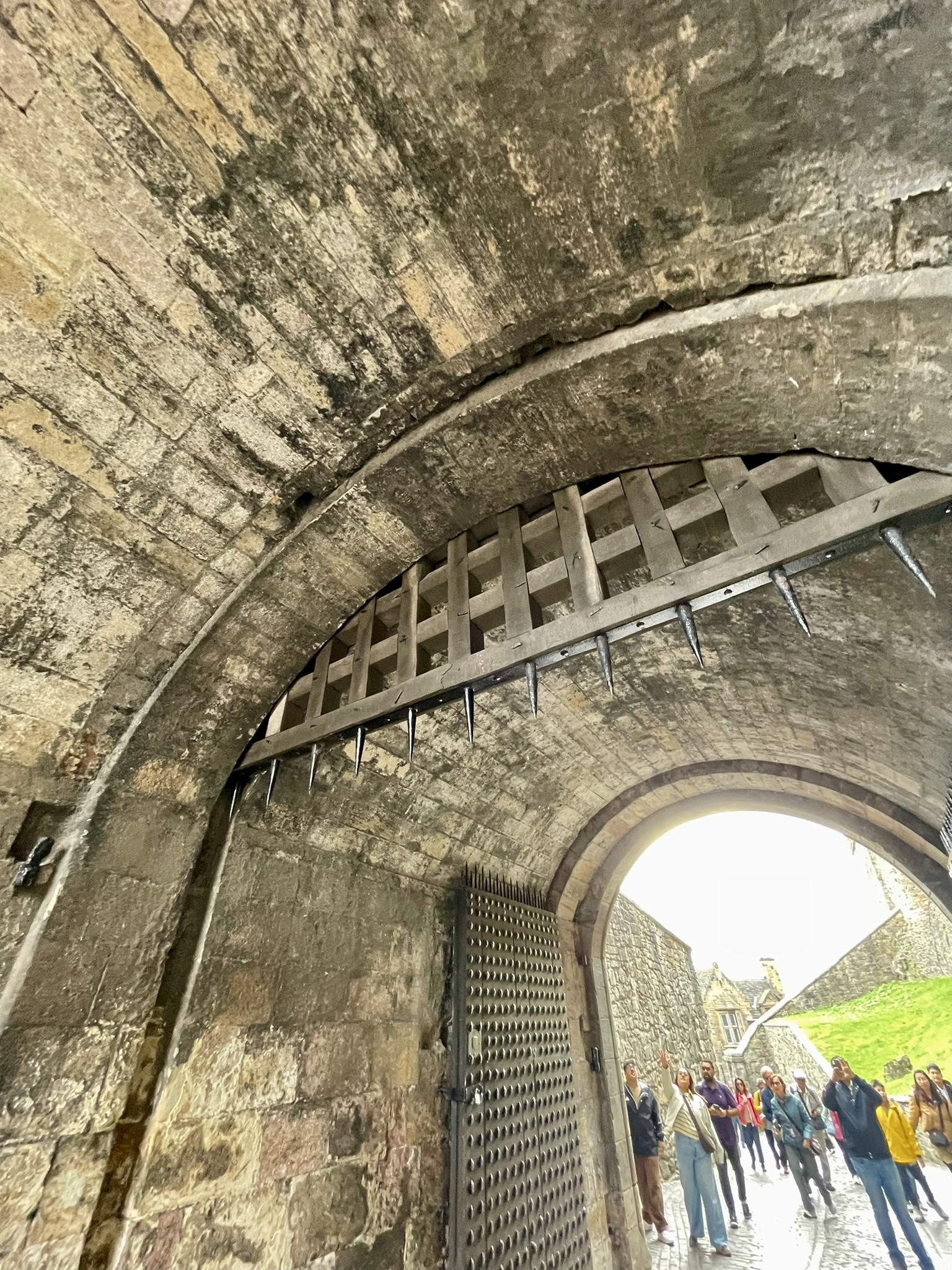
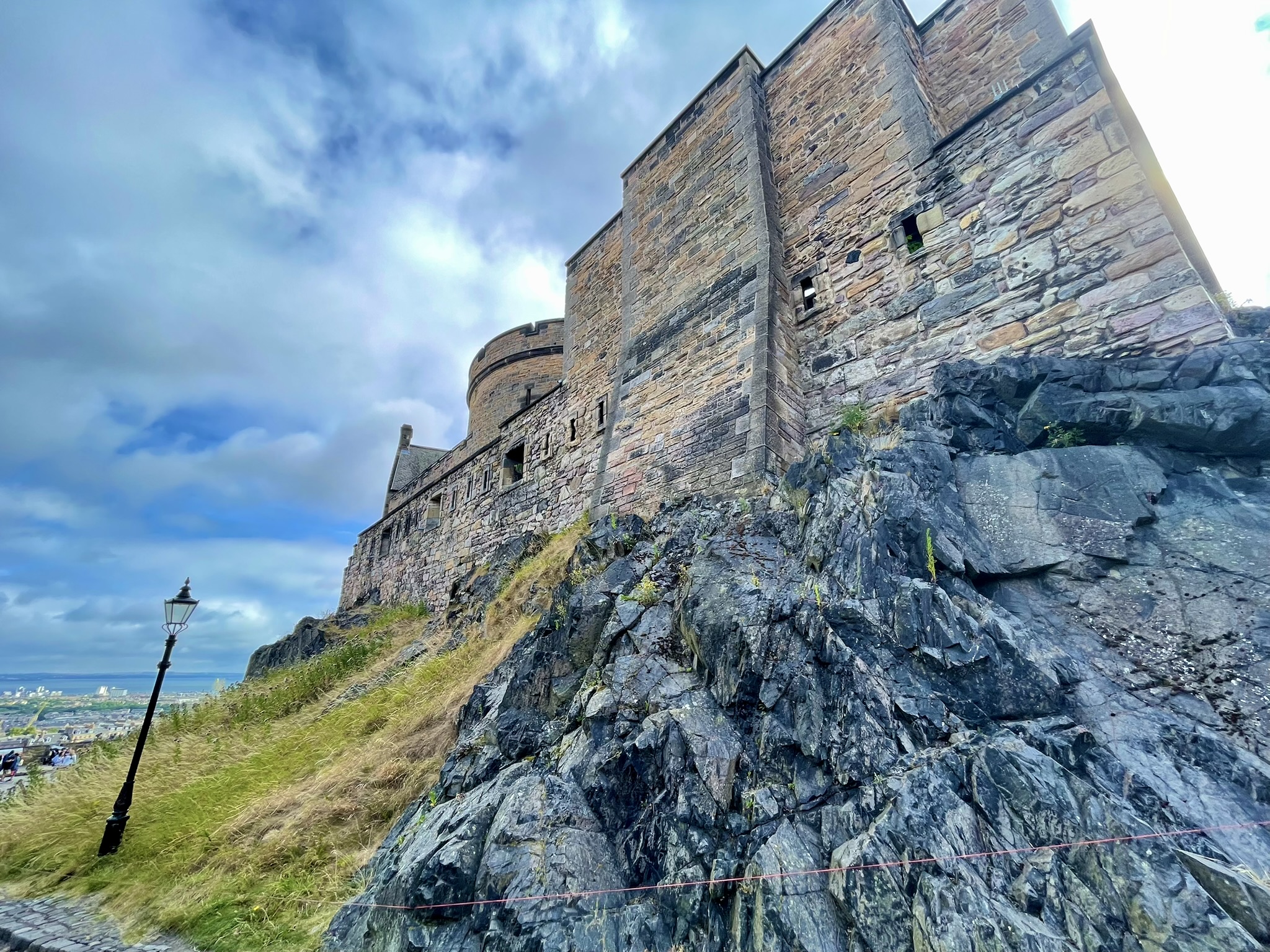
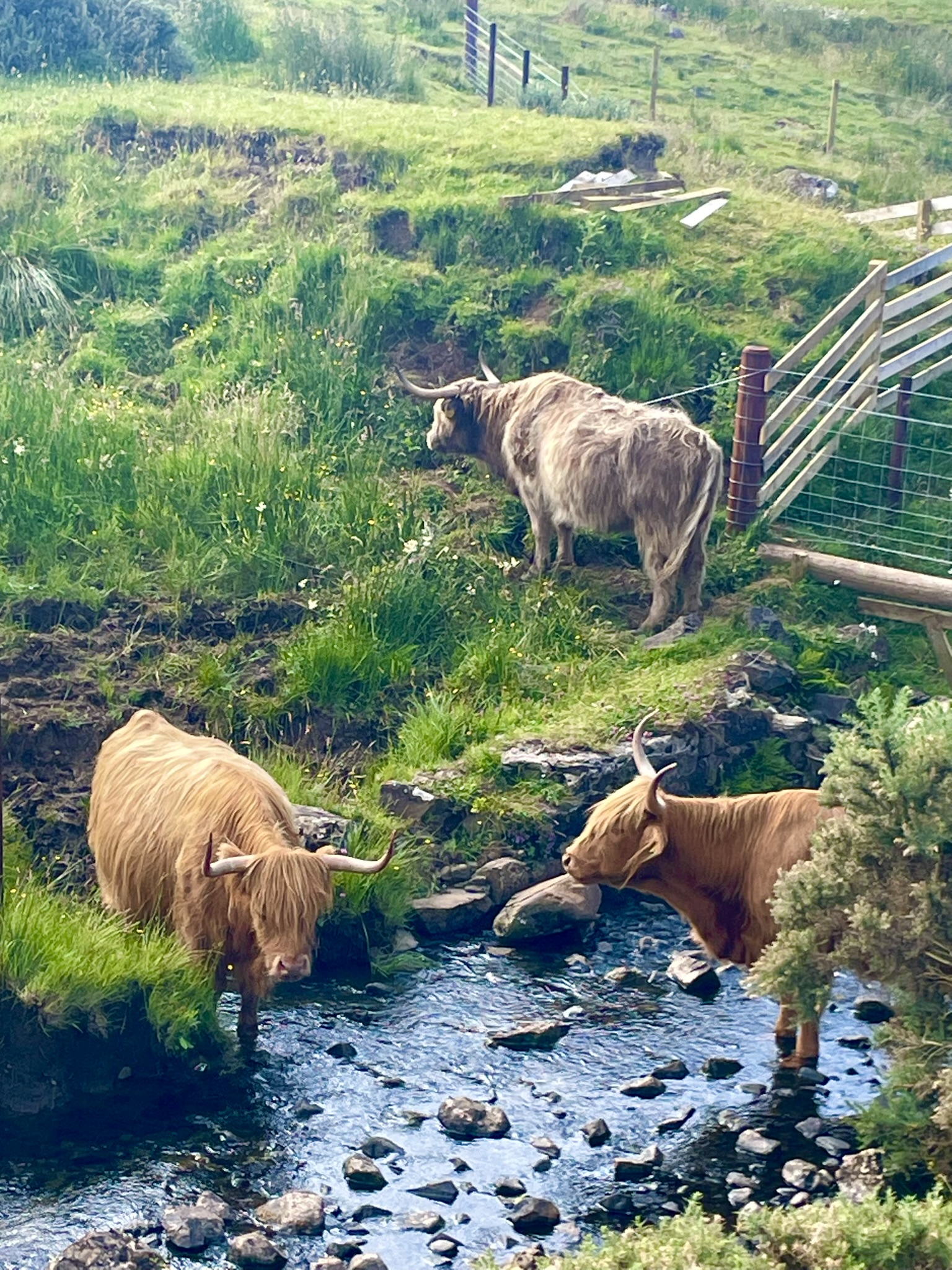
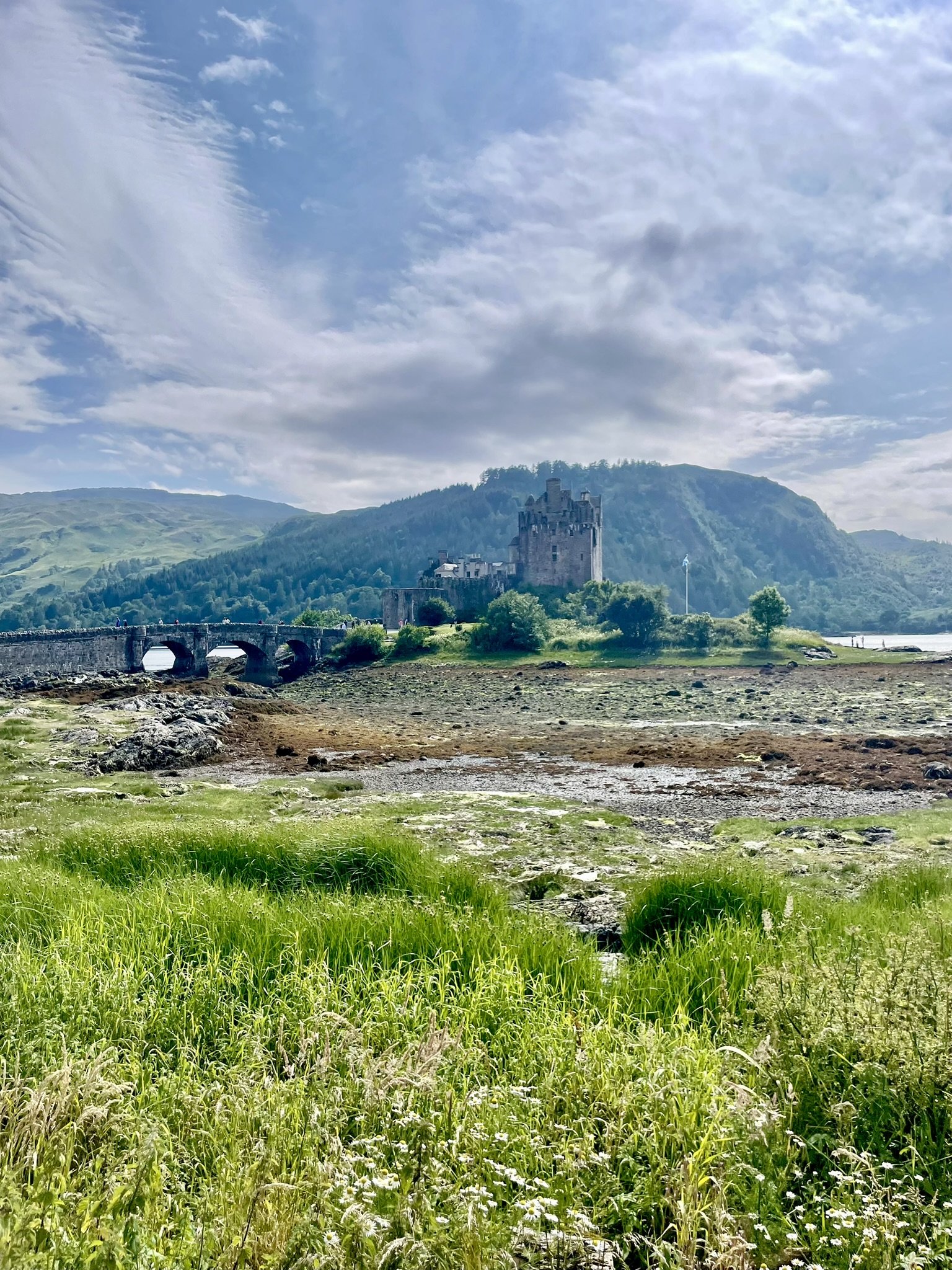
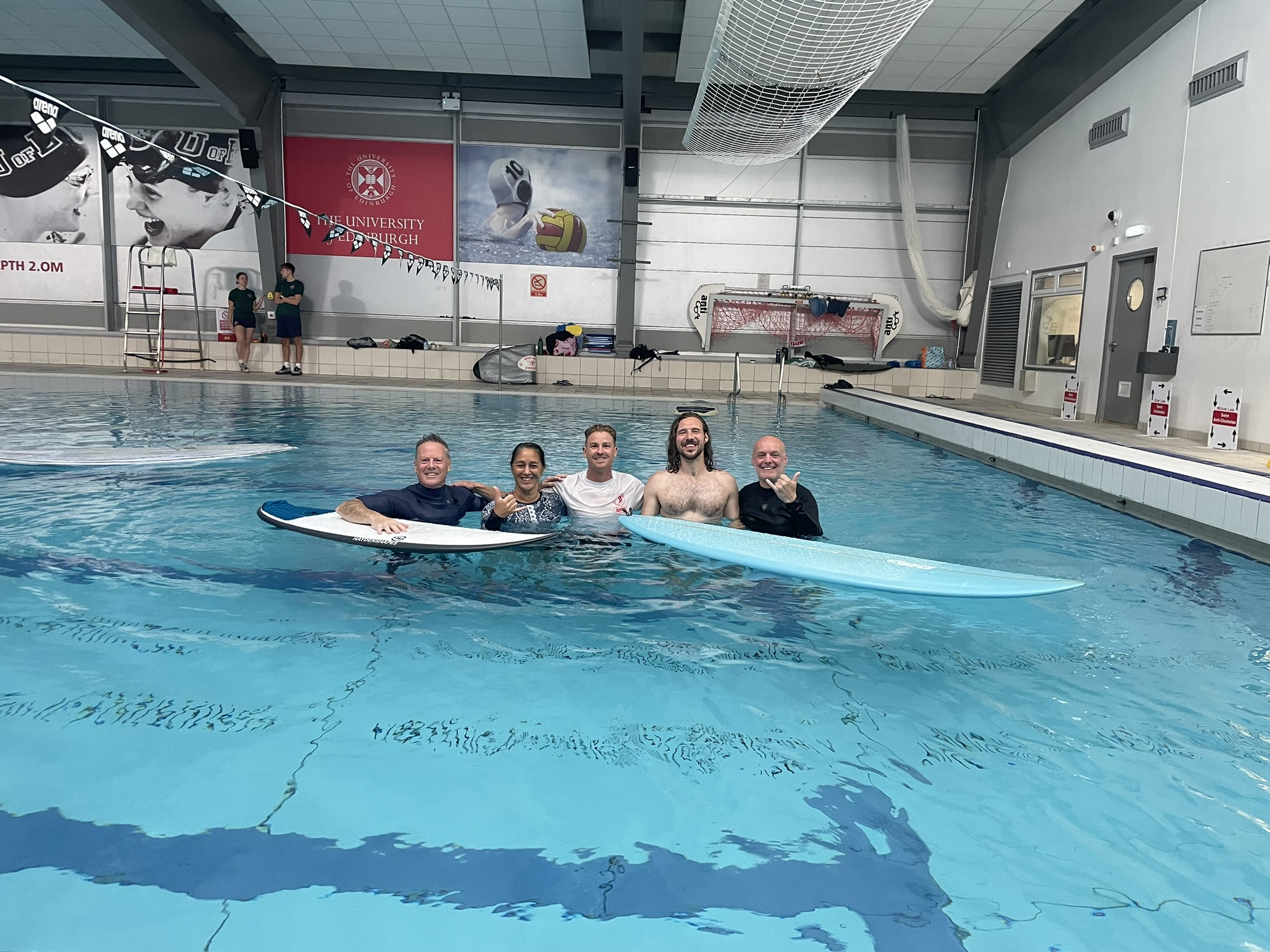
Our family spent nearly three weeks making our way across the UK (with a side trip to Paris). We wandered the streets of London, explored Paris, ventured into the Scottish Highlands, and finished in Edinburgh to teach the Level 1 Paddling Technique Workshop before I headed to Lost Shores Surf Resort for five surf sessions. The journey wasn't nearly as smooth as the itinerary I had carefully assembled months before.
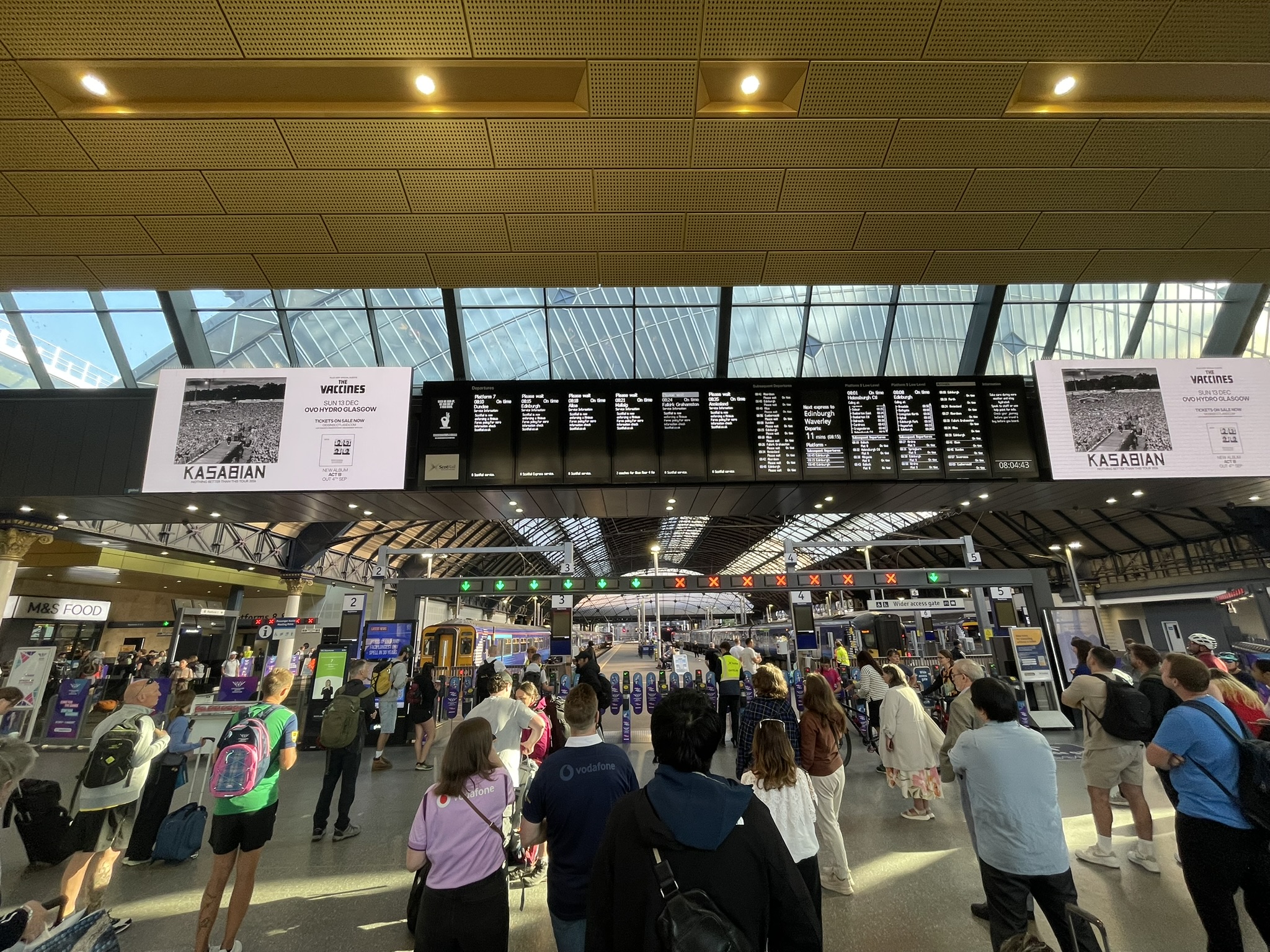
Trains were cancelled. Buses didn't run. Connections we counted on simply weren't there. More than once we found ourselves standing in a station with luggage in hand, staring at departure boards while quickly trying to figure out Plan B, C, D or E.
It became a running theme of the trip.
Don't become attached to the plan (that and when we did rent a car in Isle of Skye, “left side, left side, left side”).
Observe what's happening, adapt, and keep moving.
I didn't realize it at the time, but that lesson would surprisingly parallel the surf experience in the ocean, and my first experience with the waves at Lost Shore.
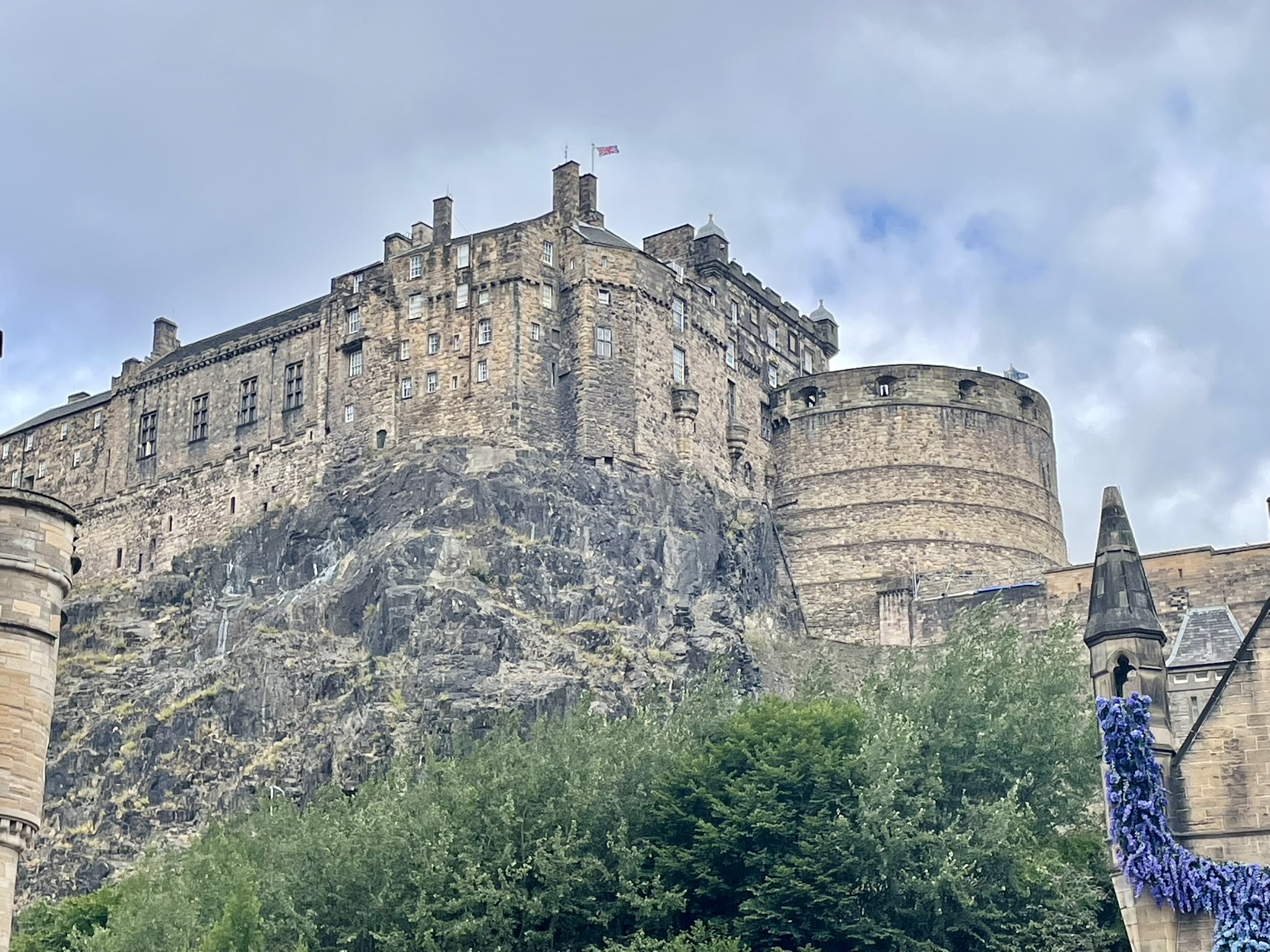
The Reward at the End of the Journey - Lost Shores Surf Resort
After weeks of navigating cities, train stations, buses, tap cards, and tens of thousands of steps on foot, pulling on a wetsuit felt incredible; and at the same time the feeling of navigating something uncontrollable eerily familiar.
This navigation would happen in water instead of train stations.
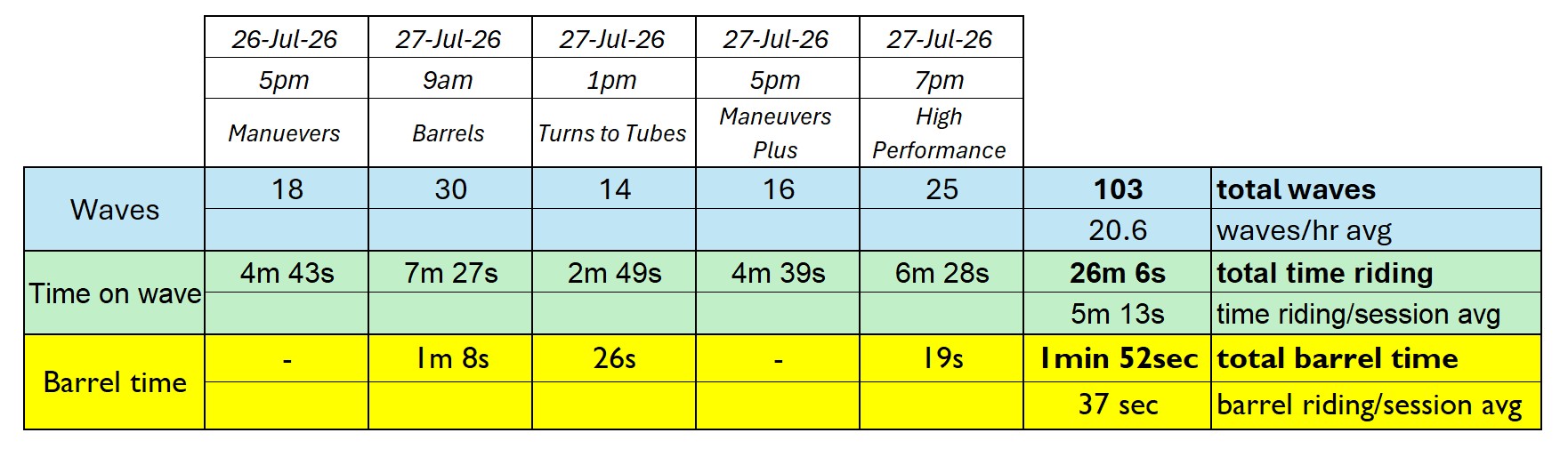
Over my five surf sessions:
- I caught 103 waves
- Rode for 26 minutes and 6 seconds (total riding time)
- Spent 1 minute and 52 seconds inside the barrel
This resulted in
- 20.6 waves per session
- Average of 5 minutes and 13 seconds of riding per session
- Average of 37 seconds in the barrel per session (three of those sessions accounted for all of the barrel time)
Twenty-six minutes of standing on a surfboard - compressed into just five sessions. Most of us at our local beachbreaks don't accumulate that much quality riding time over weeks or even months of surfing in the ocean.
As you know, I love the numbers and stats as a math nerd. But while the numbers were fun to look back on, they weren't what surprised me most.
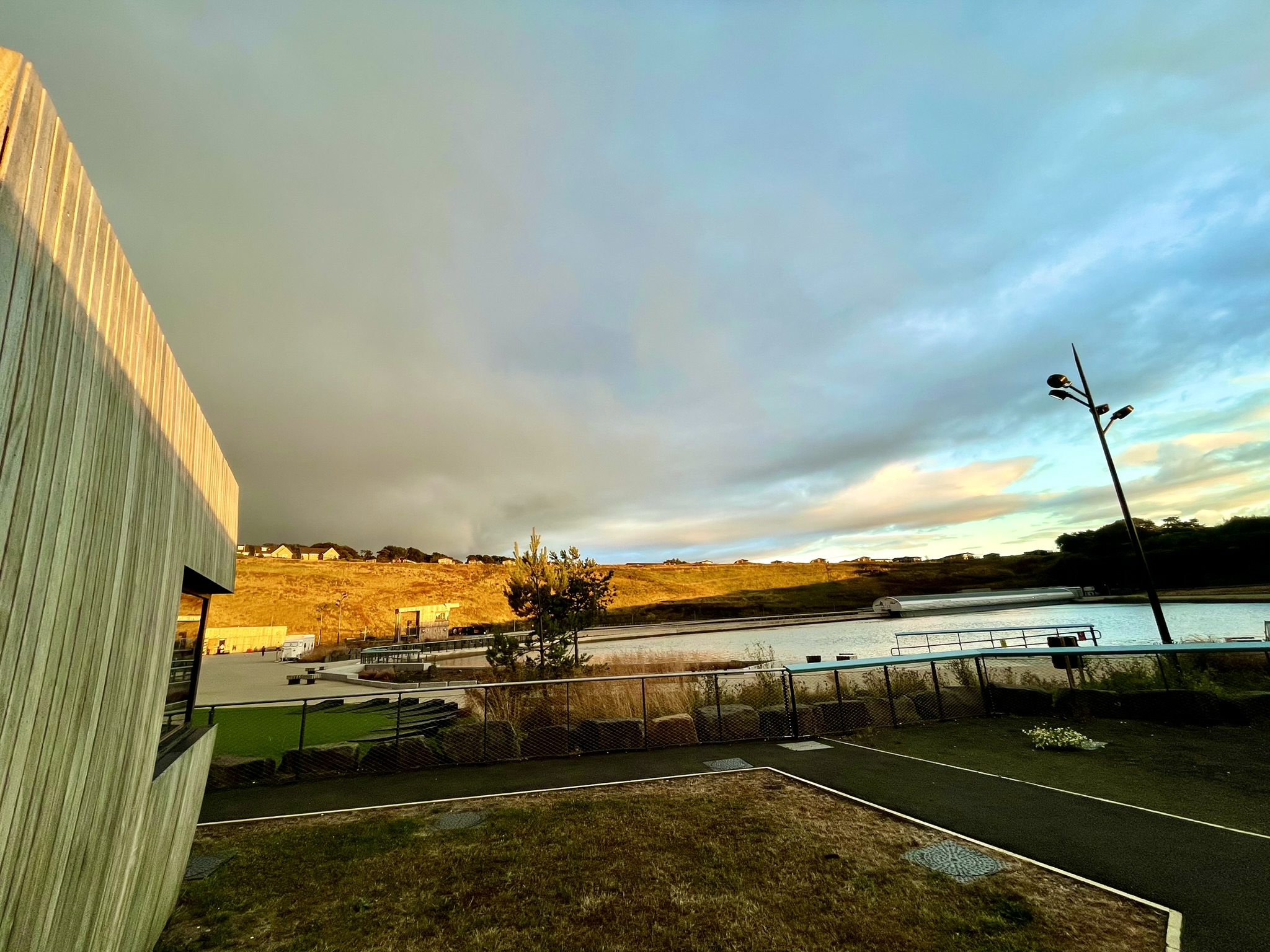
My First Impression of Wavegarden Tech
Like most surfers visiting a new wave pool, I expected to notice the shapes of the waves first.
Instead, I found myself watching the water. Specifically, the flow of water.
As soon as I arrived, I had about three hours until my first session, and I spent almost every minute simply observing how the water in the basin moved. Every other wave technology I've surfed has had one thing in common: the power of the wave moves away from the wall or fence.
Wavegarden is different.
The dominant movement of water flows from the center pier of the basin toward the concrete walls, where the takeoff is, and this when combined with the contours of the bottom creates fascinating circulation patterns.
There was the obviously discussed conveyor belt of current running back up alongside the center pier, but there was something else.
About two or three meters off the pier, on the top half of the basin, right where the deep water transitioned to shallow, there was a narrow band with very little current at all. It was where two currents were coming together and I see current lines like this at Ocean Beach, SF all the time, especially after coming up from a duck dive.
It wasn't obvious.
You had to watch.
You had to look and know what you were looking at.
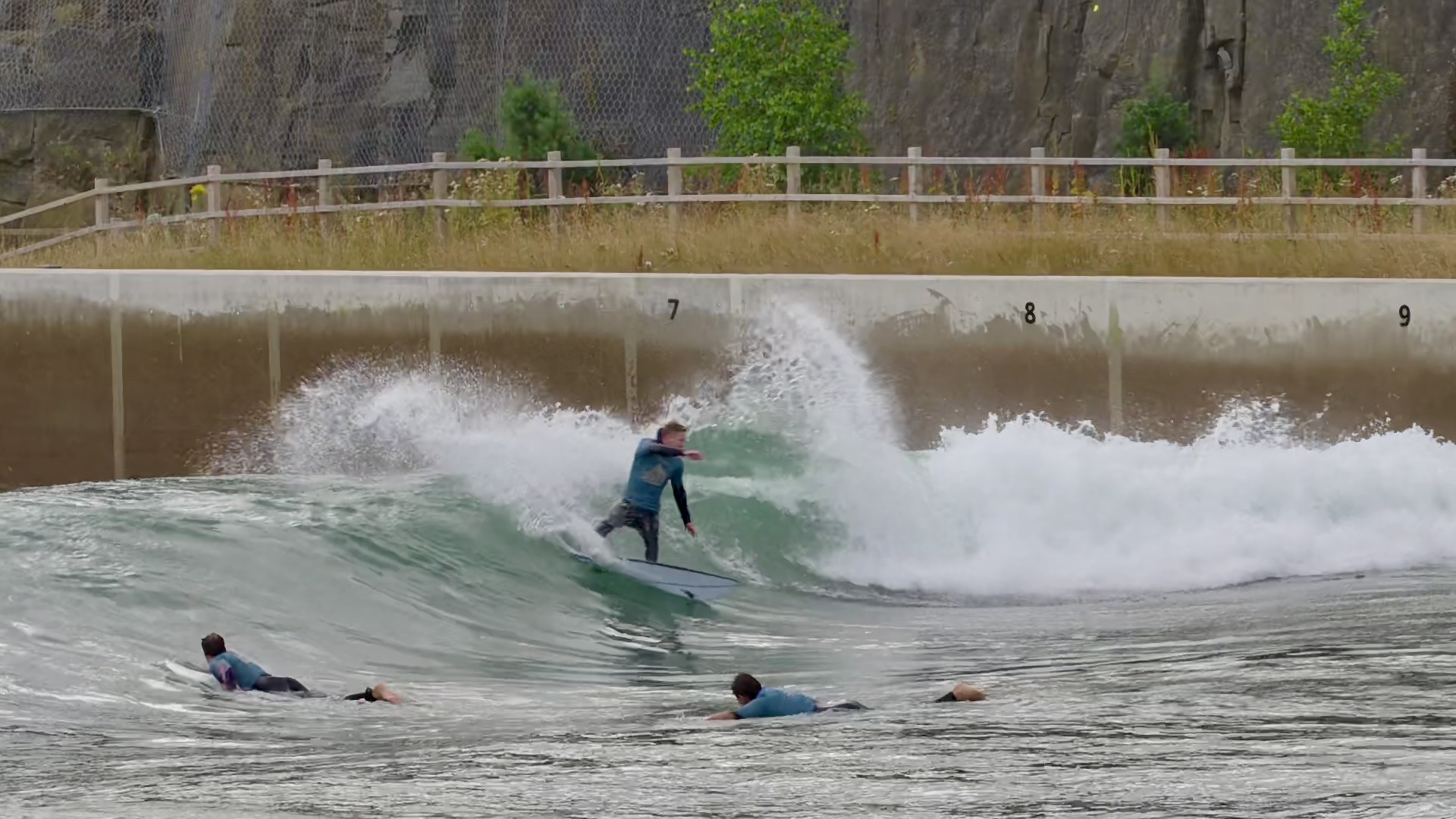
The Hidden Line
During my first session, I followed the staff instructions. If you finish the wave, move to the pier and then head back to the takeoff area. If you didn’t finish the wave, take the next whitewater in a little and towards the wall to avoid being in the next surfer’s way. Then walk (because it’ll be fairly shallow) towards the pier, paddle to the pier and then back to the takeoff area to get back in line.
On my first wave, I didn’t make it to the end and got caught in the shallow area right before the wave ended. What I wasn’t expecting was how strong the current was – but it wasn’t going in the direction I thought it would be going. The current was flowing not away from the wall, but towards the wall. My thought was that the wave would push the water in to the beach and then flow towards the pier and back out. However, where the wave actually ended was still halfway up the basin. That water was moving toward the wall!
Following the staff instructions, I walked (as best I could against the current) toward the center pier and then hopped on my board to paddle to the pier, but the current was still quite strong against my intended direction, pulling me back into the impact area. The set wasn’t running but was going to within the minute so I had to go into four of my power strokes to gain momentum before downshifting to the 3rd gear efficiency stroke to get to the pier before the next set mowed through.
In the ocean, being pulled into the impact zone vs away from it has only happened to me a handful of times, in rare bathymetric circumstances – once in Indo, and a few times at Ocean Beach with funky sandbars. When the current pulls you into the impact zone rather than away, it's never a good feeling when you have sets bearing down on you.
While this sensation wasn’t new, it was new to me in a wavepool.
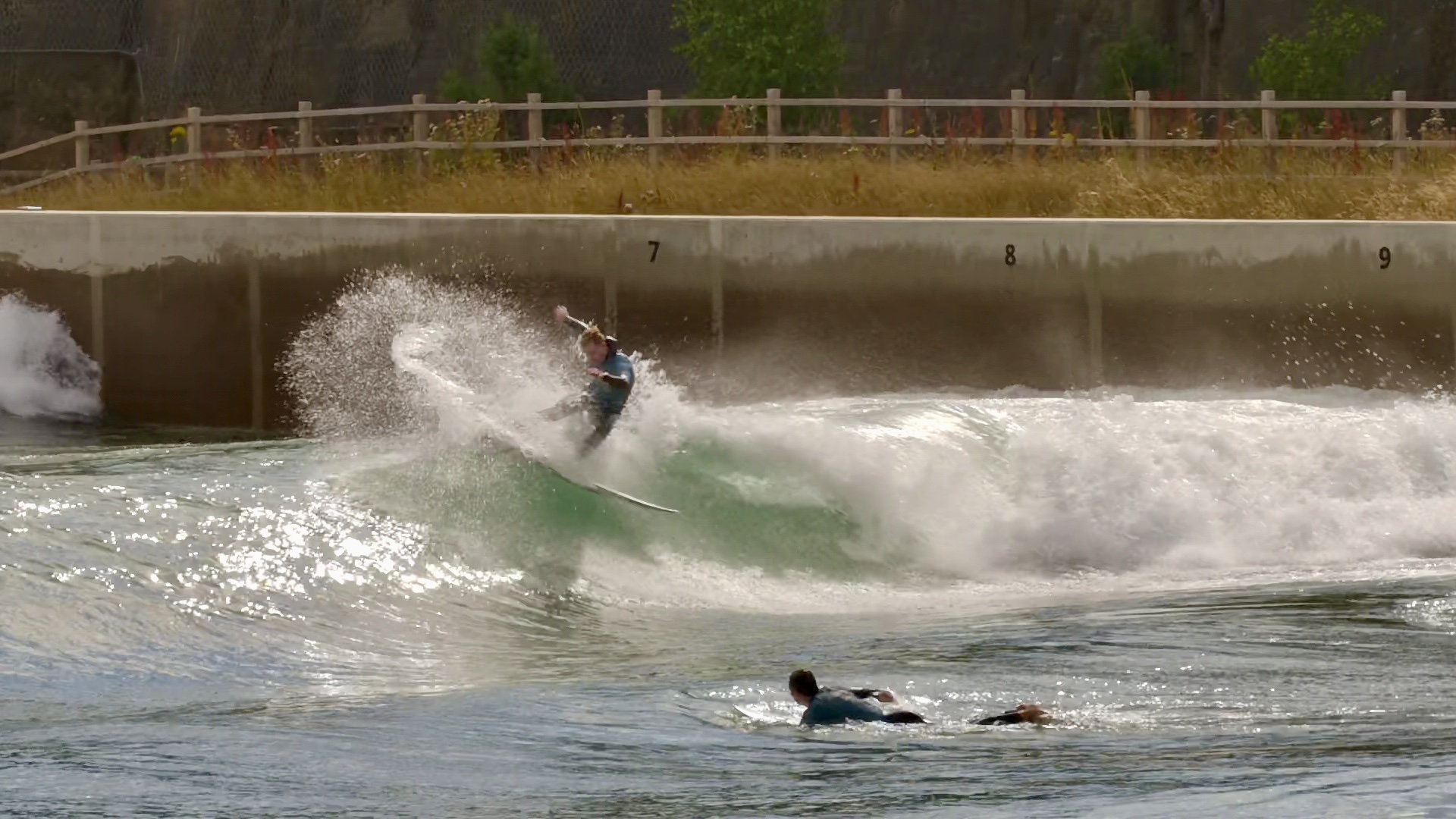
As many of you know, I am a lazy surfer. I really don’t like to expend energy paddling. Therefore, this was a nightmare scenario for me because I wanted to use my energy surfing, not paddling. With other surfers in the basin, I couldn’t get around this, so I made strategic decisions from time to time to complete the wave farther toward the pier, or even cut off the ride a little early (all depending on how the ride was feeling, or the group of surfers I was with).
This didn’t bode well with me. My philosophy on the great advantages of wavepools is to experiment with your surfing – I wanted to try going for a more critical first turn, but when I did, I was punished by being farther from the pier if I failed without an efficient way to get back in line. There wasn’t a strong reward cue – it was the opposite especially since I had four sessions the next day.
What I really wanted to do was try paddling up that calm line – where the two currents came together – but with other surfers in the session, I couldn’t as it would put me right in their path. Surf etiquette comes first. And the pool doesn’t want me duck diving, which was my other thought – go up the wall instead and duck dive all the waves – that’s what we would do in the ocean, but the pool disallowed it.
My second session which occurred first thing the following morning gave me the opportunity to test my hypothesis on the calm line.
For the first thirty minutes I had the basin entirely to myself. I know, super lucky.
Without other surfers around, I tested the calm line that was two to three meters off the center pier. I discovered that calm strip of water near the depth transition was the absolute best route back. It took me right back to the takeoff area.
Was it as easy as taking the wave's whitewater all the wave in, then toward the pier, then back up the pier? No. That route was by far the easiest because you could simply follow the flow of water with little to no paddling. But it was long and you’d miss a set or even two (and that’s far worse).
The line signifying the merge of the currents started at near end of the wave. I could walk to the start of it a short distance and then hop on the board and head almost straight back to the takeoff at the wall. Plenty of time for a few recovery breaths and then next set was on it’s way.
It was a highway back to the takeoff. It’s the only way I was able to catch almost every set that came through in that session for the first thirty minutes, and why almost no sets went unridden between me and the other surfer that joined me for the back half of the session.
Making these observations and implementing them reminded me of surfing the ocean.
The best paddlers are not the always the “strongest” – they are often the ones who notice something everyone else misses.
Three Ways Back
Returning to the takeoff area turned out to be just as interesting to me as riding the waves themselves.
1. Following the route suggested by the staff meant paddling directly against the current until reaching the center pier. It worked, but it demanded effort. When needing to do this (when I was surfing with more than four surfers), the strategy that consistently delivered was one I’ve taught in my Level 1 and Level 2 course. Apply three to four power strokes to build momentum, then downshift into third gear (top end of the efficiency gears) to maintain speed until I was out of the current pushing against me.
Watching other surfers sprint to the pier was exhausting. But I didn’t mind it as I cruised past them when they were spent.
2. When conditions allowed, sneaking into the calm water line as described above made the return even easier and I used that one if I knew there wasn’t a surfer behind me in the set (either they fell and got pushed through) or I was the last surfer in the set.
3. And finally, the longest distance-wise, but lowest energy expenditure option. I surprised myself and only did this once. Ride the whitewater almost all the way to the beach, then allow the circulating current to carry me back around the basin before rejoining the queue. It was unquestionably the easiest on the body.
It was also the least efficient in regards to riding the most waves.
By the time you drifted all the way around, another set had often passed by with empty waves peeling across the basin, or I was farther back in the queue than if I had used one of the other strategies.
My main focus was on catching as many waves as possible in a fixed time frame. If I didn’t have the time limit, I would have employed this strategy far more often. In this instance, it was the least efficient if we measured the result as riding waves instead of energy expenditure.
Follow the Flow of Water
The similarities between our UK travel and those five surf sessions are impossible to ignore.
In our travels, we learned not to become overly attached to our plans. Trains would be cancelled. Buses wouldn't arrive. Reservations would fall through. The solution was rarely to push harder against circumstances. It was to pause, observe, adapt, and find another route.
The water at Lost Shores asked exactly the same thing of me.
Instead of fighting the currents, I learned to understand them. Instead of blindly following the obvious path, I looked for the hidden one. Instead of relying on strength alone, I relied on observation.
Whether you're navigating London's Underground, searching for a route back to the Eurostar in Paris, or paddling back to the takeoff zone in a Wavegarden basin, the principle is remarkably similar.
Progress comes from understanding the flow.
Sometimes the fastest route isn't the most obvious one.
Sometimes the easiest path isn't the most efficient.
And sometimes the journey itself quietly teaches you exactly what you'll need for the destination.
After 103 waves, nearly two minutes inside the barrel, and countless miles across the UK, that's what I'll remember most.
Not just the waves.
Not just the travel.
But the reminder that life - whether on land or in water - is usually less about forcing your way forward and more about learning to move with the current.

Get Free Training, Quick Tips, News and Updates with the monthly newsletter!
Join our mailing list to receive the latest news and updates. Your information will not be shared.
